
Hospitals Help Prioritize Patient and Family-Centered Care

Hospitals are improving the health and well-being of communities through a care model that fosters collaboration between clinicians, patients and their support systems.

Person- and Family-Centered Care (PFCC) — often referred to as Patient and Family Engagement (PFE) — is an approach to care delivery that has been shown to improve health outcomes, lower costs, enhance patient experience and boost overall staff satisfaction.

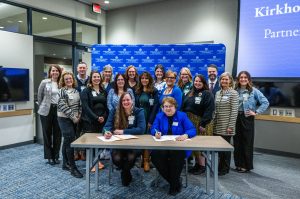
In a new episode of the MiCare Champion Cast, two members of the MHA Person & Family Engagement Advisory Council from MyMichigan Health and Michigan Medicine provide first-hand insight on the powerful impact of PFE.

“Relationships are at the heart of everything,” said Michelle Brady, MSHAL, BSN, RN, CPXP, director, patient experience and relations, MyMichigan Health. “While we have the beautiful benefits of technology, we cannot lose sight of the human connection. These [PFE] councils are a lifeline to continue humanizing care across the continuum. We have to keep the patient — and the family — at the table.”

Brady has been a registered nurse for 36 years and a leader for the last 15. In her current role, she supports the success of MyMichigan’s PFAC to ensure patients and families are at the center of goal setting and system decision-making. 

Alongside Brady was Michele Mitchell, BS, MS, PMP, a nationally recognized patient advocate and breast cancer survivor. Following years of working in healthcare, being on the other side further ignited Mitchell’s passion for amplifying the patient voice in care delivery, education and research.

“Patients who participate in their care stay healthier longer,” said Mitchell, who previously co-chaired Michigan Medicine’s Department of Pathology PFAC. “This is not just the right thing to do — it’s the smart thing to do. The best care happens when providers see the whole person, not just the diagnosis. When patients are genuine partners in their care, everyone wins.”

The episode, released during Patient Experience Week, offers actionable ways for healthcare teams to implement PFE and uplift its value to hospital leadership.

The MHA Person & Family Engagement Advisory Council provides guidance and support to Michigan hospitals to extend and enhance PFCC across the state. The council is made up of MHA staff, stakeholders and advisors who work to ensure the voice of patients and families are incorporated into hospital initiatives and efforts. It also provides a great opportunity for networking, collaboration and sharing of best practices for PFCC.

The episode is available to stream on Apple PodcastsSpotifySoundCloud and YouTube. Questions or content submissions for future MiCare Champion Cast episodes and Hospitals Help articles can be directed to Lucy Ciaramitaro at the MHA. Those interested in learning more or getting involved in the MHA Person & Family Engagement Advisory Council may contact Erin Steward at the MHA.

In the episode, there is reference to a 2023 Cochrane Library study and research from the National Library of Medicine.

Hospitals Help: Bronson Drives Change in Maternal and Infant Health

From prenatal care and labor and delivery to neonatal intensive care and postpartum follow-up, Bronson Healthcare plays a critical role in influencing health outcomes for mothers and babies across Southwest Michigan.

In celebrating a historic reduction in Black infant mortality across Kalamazoo County, Bronson acknowledged that creating change requires shared ownership across clinical, community and public health settings.

“This work does not belong to any single organization,” said Bill Manns, president and CEO, Bronson Healthcare. “It belongs to all of us who care for families before, during and after birth — and to the communities who trust us with their babies’ lives.”

In addition to local partnerships, Bronson teams are engaged with the MHA Council on Health Access and Community Impact and MHA Community Benefit Collaboratives to help advance statewide improvements in maternal health.

Below are a few of the initiatives underway at Bronson to advance maternal and infant health.

Bronson CenteringPregnancy® Program

Bronson’s CenteringPregnancy® program combines expert clinical care with peer support and education for moms-to-be. The program, covered like traditional prenatal visits by Medicaid and most insurers, has led to lower rates of preterm birth, reduced risk of low birth weight and higher breastfeeding success rates.

Participants meet regularly in groups of 8-12 based on due date. Each session includes a private check-up with a certified nurse midwife as well as a group discussion covering topics like nutrition, labor choices, breastfeeding and newborn care.

Breastfeeding Resources, Support

In addition to lactation services and milk banking, Bronson offers Baby Cafés in Kalamazoo and Battle Creek for walk-in breastfeeding support in a welcoming, coffee shop-style environment.

The goal is to help infants build better immune and brain health, improve digestion, while also reducing the risk of Sudden Infant Death Syndrome (SIDS) and chronic conditions like asthma, diabetes and certain childhood cancers. For mothers, this work supports postpartum recovery while helping lower the risk of breast and ovarian cancers.

A System-Wide Approach

Improving infant and maternal health requires care coordination. Alongside midwives who are expertly trained to provide gynecological care and pre- and postnatal obstetric care, Bronson community health workers help pregnant and postpartum patients address non-medical factors that can affect birthing outcomes. This support can look like:

  • Providing referrals at the first prenatal intake call, with additional referrals coming from obstetric and maternal fetal medicine providers.
  • Connecting families with a variety of resources, ranging from transportation, housing support and food access to breastfeeding resources and parenting programs.
  • Helping families feel more comfortable participating in services like Healthy Babies Healthy Start home visiting programs.

By addressing social drivers of health and building trust early in pregnancy, these team members help reduce gaps in prenatal care – a key factor in preventing preterm birth and other complications associated with infant mortality.

Other efforts by Bronson include their childcare collaborative and Battle Creek childcare center, family-centered educational classes, Cribs for Kids® national safe sleep hospital certification program and Bump2Baby360 patient app.

Those interested in learning more are encouraged to visit the Bronson website. Questions or content ideas for the Hospitals Help series can be directed to Lucy Ciaramitaro at the MHA.

Hospitals Help: Hillsdale Works to Improve Access for Rural Residents

Rural hospitals are the heart of their communities, providing care close to home in addition to jobs, stability and reassurance that help is nearby in life’s most pivotal moments. Despite their essential role, rural providers across the state and country are challenged by limited resources, workforce shortages and constrained infrastructure.

Knowing this reality first-hand, the teams at Hillsdale Hospital are focused on advocating for rural communities and ensuring patients don’t lose access to routine or specialty care.

Personalized Primary Care

To address the unique needs of local residents, Hillsdale starts by listening. The hospital’s primary care team – spread across five local clinics – does this by focusing on understanding each patient’s needs to develop individualized health plans.

“Hillsdale Hospital’s core values include local access to care for our patients,” said Jeremiah J. Hodshire, president and chief executive officer, Hillsdale Hospital. “Everyone deserves access to healthcare, when and where they need it. That’s why expanding our primary care options is so important to us.”

In understanding that it can be difficult and time-consuming for patients to get to the hospital for lab draws, Hillsdale also decided to install outpatient laboratories inside their clinics. The decision has been well-received by community members and streamlines testing protocol for providers.

Hillsdale Spine Center was announced in January 2026 to provide a full continuum of neurosurgical spine care.

Addressing Specialty Needs

Knowing there was a local need for advanced neurosurgical care, Hillsdale responded by onboarding a neurosurgeon and opening their Hillsdale Spine Center. Residents can now receive a full spectrum of care, including minimally invasive spine surgery, spine fusion, spine fracture treatments and treatment for herniated discs. The team also recently completed their first lumbar total disc replacement, an innovative treatment that isn’t widely available.

“I couldn’t imagine where I’d be at if I didn’t get the surgery,” said the patient, who previously struggled with severe back pain for more than 15 years. “[The procedure] was the best thing I’ve ever done.”

Uplifting Rural Voices

Hillsdale teams are also finding meaningful ways to speak up for rural patients and providers. In a new podcast series titled, “Rural Health Fractured,” conversations center around sustainable solutions to today’s pressing rural healthcare issues.

Additionally, Hodshire will serve as board chair of the MHA Center of Rural Excellence, a 501(c)(6) organization created to formalize and strengthen the collective voice of rural hospitals through targeted advocacy and support tailored to the unique challenges Michigan’s rural providers face.

Those with questions or content ideas for the Hospitals Help series may contact Lucy Ciaramitaro at the MHA.
Hospitals Help: Kalkaska Memorial Walks Beside Patients at Discharge

Members of the Kalkaska Memorial Health Center team

Patients often feel most vulnerable during the transition from hospital to home – especially if questions linger, follow-up care is extensive or there’s any risk of complications. Knowing this, hospitals are finding ways to ensure patients don’t have to navigate discharge and recovery alone.

The Community Paramedic program at Kalkaska Memorial Health Center is a great example of this work. Based in the health center’s emergency department, the program supports patients during and after discharge in an effort to address concerns and prevent avoidable emergency department visits.

“At Kalkaska Memorial Health Center, our mission is to improve the health and quality of life for those that we serve,” said Jeremy Cannon, VP, chief nursing officer, Kalkasa Memorial Health Center. “To truly make an impact, we look beyond the four walls of our hospital and focus on understanding patient needs in their own environment.”

According to the National Library of Medicine, readmission within 30 days of hospital discharge has been linked to both short and long-term mortality. Proper care coordination before, during and after a hospital stay is critical for improving patient outcomes.

The program at Kalkaska engages providers across acute care, long-term care and primary care to identify patient’s risk for hospital re-admission. Team members often address discharge questions, concerns or confusion – whether it be difficulties managing acute or chronic conditions, missing resources at home, medication adjustments or new care needs.

Paramedics are available seven days a week to meet patients before discharge or contact them to schedule home visits within 24 hours. In the home, they identify barriers that may not have been apparent during the hospital stay and coordinate with primary providers, social work, pharmacy and the electronic medical record team to support comprehensive care.

“We are fortunate to have a hospital-owned emergency medical services agency operating through Kalkaska Memorial Health Center, allowing us to invest directly in the individuals who respond to our community members during their most vulnerable moments,” said Cannon.

Patients enrolled in the program have demonstrated significantly lower emergency department readmission rates. The work allows the teams at Kalkaska to better support patients and keep them where they want to be: home.

Those with questions or content ideas for the Hospitals Help series may contact Lucy Ciaramitaro at the MHA.

Hospitals Help: McLaren Launches AI Tool to Identify Heart Disease Risk Sooner

Michigan hospitals are finding innovative ways to improve patient outcomes and remove barriers to timely care. One example of this comes from McLaren Health Care and its McLaren Heart & Vascular Institute, who recently launched a first-of-its-kind cardiovascular screening program to help better detect patients’ risk for heart disease.

Launched in partnership with Bunkerhill Health and its AI-powered Carebricks platform, the tool’s FDA-cleared clinical algorithm detects indicators for coronary heart disease and aortic stenosis – two common forms of heart disease that worsen over time if left untreated.

“This is a very important way of finding the disease before it causes any problems for the patient long-term or short-term,” said Dr. Samar Kazziha, chief medical director, McLaren Heart & Vascular Institute, McLaren Health Care.

Heart disease remains a leading cause of death in Michigan and the U.S. In addition to heeding controllable risk factors, early intervention can significantly reduce the odds of a life-threatening cardiovascular event.

McLaren’s new technology has alleviated the need for time-consuming tests and imaging that traditionally have been performed to detect the presence and risk of heart disease. Now, clinicians can spot signals much sooner – even during routine testing for other, non-heart related conditions.

Launching a screening program of this size and scope would have normally placed added strain on clinical teams, including time spent reviewing charts, checking guidelines and coordinating follow-up care. Bunkerhill Health’s Carebricks makes the process easier by enabling AI-powered workflows that analyze patients’ records already on file, clinical guidelines and McLaren’s own care protocols. As a result, McLaren can expand access to early cardiovascular screening while minimizing added workload for clinicians.

“By using the clinical information already available to us, this program enables us to identify patients who may benefit from earlier follow-up, often before symptoms appear, and ensures they are connected to the right care at the right time — helping to close critical gaps in detection, improving those patients’ long-term outcomes and overall quality of life,” said Kazziha.

To learn more about cardiac care services, visit the McLaren Health Care website. Those with questions or content ideas for the Hospitals Help series may contact Lucy Ciaramitaro at the MHA.

Hospitals Help Michigan Students Pursue Healthcare Careers

Healthcare remains the state’s largest employer of direct, private-sector jobs. With this in mind, hospitals are finding innovative ways to give Michigan students the opportunity to gain real-world exposure to clinical and non-clinical healthcare roles. Some examples of these efforts are outlined below.

McKenzie Health System Hosts Healthcare Career Exploration Tours for Local Students

McKenzie Health System hosts an immersive hospital tour for local ninth and tenth grade students.

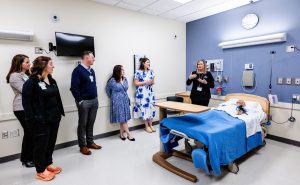
McKenzie Health System recently welcomed ninth and tenth grade students from all seven Sanilac County school districts for an immersive hospital tour as part of the Thumb Community Health Partnership’s High School Pipeline Program.

The eight-week program provides hands-on exploration of health and human service careers across the Thumb region. During their visit to McKenzie, students gained a behind-the-scenes look at how a rural hospital operates and the many career paths available within healthcare.

The tour itself involved rotating through several departments – pharmacy, dietary, nursing, diagnostic imaging, and cardiopulmonary rehabilitation – and participating in interactive learning experiences designed to bring healthcare careers to life.

“These tours give students a meaningful look at the many career opportunities available in healthcare, right here in their own community,” said Nina Barnett, Public Relations. “We are proud to support the exploration of healthcare careers for local youth and to partner with the Thumb Community Health Partnership in building a strong future workforce.”

By partnering with the Thumb Community Health Partnership and local school districts, McKenzie continues to invest in programs that encourage students to explore rewarding careers in healthcare close to home.

Trinity Health Muskegon Hosts Schools for a “A Day in the Life of an Injured Student”

Educators and students from Muskegon High School and Spring Lake High School recently visited Trinity Health Muskegon to participate in an interactive activity titled, “A Day in the Life of an Injured Student,” where they followed the medical journey of a student athlete hurt during a football game.

From the initial scene with paramedics to the operating room alongside surgical technicians, students observed each step of care and were introduced to roughly 40 different medical and health-related professions along the way.

Trinity Health Muskegon colleagues shared more about their roles, required education, career pathways and practical advice. Representatives from healthcare colleges and Trinity Health Muskegon’s Talent Acquisition team were also present to serve as resources for the students.

“Many of these students have no idea how many career options exist within various healthcare settings,” said Jerry Evans, MD, emergency medicine provider, Lake Michigan Emergency Specialists and immediate past chief of staff, Trinity Health Muskegon. “Athletic trainers, paramedics, physicians, nurses, radiology and lab technicians, emergency department teams, operating room staff, computer support, dietary services, facilities personnel and so many others. Trinity Health Muskegon is devoted to strengthening our community and inspiring our youth to consider careers in healthcare.”

The event supports Trinity Health’s Growing Our Own initiative, a program designed to engage Muskegon students from third through twelfth grade and help them see a future working in health care as attainable for them. The initiative, made possible by partnerships with the Muskegon Area Career Tech Center (CTC)Muskegon Area Intermediate School District (MAISD), Boys and Girls Club of the Muskegon Lakeshore and Michigan Works, will continue outreach to Muskegon County students through additional education, career fairs and more.

Covenant HealthCare Invites Recent Grads to Explore Hospital Careers

Covenant HealthCare created “Discover Covenant” in 2024 to expand knowledge of hospital jobs, grow local talent and help future generations make informed career decisions.

The summer program is a paid opportunity designed for recent high school graduates interested in healthcare. It runs from early June to late August, giving participants the opportunity to explore areas of interest along with those they’re unfamiliar with. Exploration periods are done in three-week rotations from 8 a.m. to noon, Monday through Thursday.

“As I worked through Discover Covenant, my love of helping people and feeling a sense of accomplishment was ignited during the nursing rotation,” said one participant. “I have now willingly changed my college major to nursing, and I am grateful for the time and money saved due to my experience with Discover Covenant.”

Since 2024, hospital employees and volunteers have hosted approximately 30 students – a handful of which have since sought employment or additional learning at Covenant. Those interested in learning more are encouraged to contact the Covenant team.

“This program has given young adults from our community the opportunity to learn more about healthcare careers and engage with our organization,” said Jill Jarvis, BSN, RN, manager, clinical development & education, Covenant HealthCare. “It has been a win-win for both participants seeking knowledge and guidance about their futures and for our organization, which is working to build pipelines for future employees.”

Hillsdale Hospital Awards Up to $50,000 in Educational Support to High School Seniors Pursuing Nursing Careers

Hillsdale Hospital’s Doris Whorley Nursing Scholarship allows eligible high school seniors to apply for tuition assistance of up to $10,000 per year for up to five years for an associate degree in nursing (ADN) or a bachelor of science in nursing (BSN).

“Our hospital depends on nurses across every point of care and our mission with this scholarship program is to support their education, on-the-job training and long-term career development,” said Randy Holland, chief nursing and infection control officer.

The scholarship was named after Doris Whorley, Hillsdale’s longest working nurse who has been in the profession for nearly 58 years.

“Doris Whorley has made such an incredible and enduring impact on our hospital’s staff and patients,” added Holland. “On behalf of Hillsdale Hospital’s nursing staff, we are honored to carry her legacy forward as we train and guide future nurses.”

Program application announcements can be found on Hillsdale Hospital’s website.

Eaton Rapids Medical Center Hosts Themed Hospital Tour

The team at Eaton Rapids Medical Center recently hosted a two-day hospital tour for local second graders. To keep things engaging, the event was pirate-themed and included exploring the “Emergency Deck,” emergency department, a visit to ”Clean Hands Island” to learn more about the importance of handwashing and a trip to “X-Ray Bay” to see the hospital’s radiology equipment.

The tours are designed not only to ease fears associated with medical care, but also educate students on healthy habits and see members of the hospital team in action.

“We are so grateful for the opportunity to partner with our local schools to bring this experience to our second graders every year,” said Eleni Danford, MSN, RN, clinical education, Eaton Rapids Medical Center. “By opening our doors and giving students the chance to explore our departments, meet our care team and have a genuinely fun and memorable experience, we hope to build a sense of familiarity and trust between our hospital and the community we serve.”

Pine Rest Charts Careers in Mental Health

Through personal narratives, reenactments and hands-on activities, more than 200 Kent County students explored career opportunities in the mental health field at an event recently hosted by Pine Rest Christian Mental Health Services.

“Pine Rest Beyond the Books — The High School Edition,” was an immersive program designed to introduce teens to behavioral health careers. Students from Kent Career Tech Center and several local high schools, including Byron Center, Kenowa Hills, Kelloggsville, Kentwood, Lowell and Northview, attended the event.

Amy Pierce-Danders, Pine Rest workforce development manager, said many students entering the medical field focus on traditional roles, such as nurse or doctor, without realizing the breadth of opportunities available. Other behavioral health job options include counselor, social worker, psychiatric technician, behavioral analyst and recreational therapist, she said.

“The goal is to get the students on campus where they can learn about behavioral health issues and discover these healthcare pathways,” Pierce-Danders said.

MI Hospital Careers Campaign

As a complement to the local efforts of Michigan hospitals, the MHA’s MI Hospital Careers campaign launched in June 2023 to expand interest in Michigan health careers. The campaign targets high school and college students, as well as working professionals looking for a rewarding career. To learn more, contact Katelin Wiersma at the MHA.

Members with questions or content ideas for the Hospitals Help series may contact Lucy Ciaramitaro at the MHA.

Hospitals Help: Bronson Healthcare Guides Patients Through Billing, Benefits and Financial Support

Navigating healthcare billing and out-of-pocket costs can be overwhelming. In order to let patients focus on healing, many hospitals are expanding the role of financial counselors, social workers and patient navigators.

For example, financial counselors at Bronson Healthcare meet patients where they are. Financial counselors are available whether a person enters through the emergency room or comes in for scheduled surgery, providing price estimates, financial aid resources and insurance guidance for those who need it.

David Cavataio, director of patient accounting, Bronson Healthcare, oversees a team of 15 financial counselors strategically placed across four locations. Their mission is simple but powerful: catch patients before they fall into financial crisis.

“We’ve tried to build it where no matter where you go, we get you to the right people to help you,” said Cavataio.

The Bronson team doesn’t wait for patients to ask for help. Instead, they use admissions data to anticipate and identify who may qualify for financial assistance or Medicaid coverage. From there, a dedicated team handles upfront estimates and trained call center staff connect patients to resources and support to navigate the billing process.

Patients who receive timely guidance tend to follow treatment plans and maintain long-term relationships with their providers. The challenge? Trust. Many patients are skeptical when counselors first approach them.

“A lot of patients, when they first see our counselors, don’t trust them,” said Cavataio. “But if they see how hard our team works to help them and how we’ll drop everything to get the information they need, help them fill out forms, I think they see that we’re a partner.”

This is also a strategic choice for hospitals. When patients enroll in financial-aid programs, the amount of unpaid medical debt decreases, fewer accounts are sent to collections and administrative costs decline. In 2023 alone, Michigan hospitals paid more than $3.5 billion in uncompensated care.

Efforts to build trust at Bronson are paying off. According to the team, Medicaid applications have jumped 25% this year. Financial assistance applications are up 40%. These statistics represent thousands of Michigan families who can now afford the care they need.

“The call from your financial team was like a beacon in a storm,” said one patient. “I was about to quit my job so I could qualify for state assistance. I was near rock bottom. That changed after five minutes with the team.”

State policymakers are also moving to strengthen these efforts. Initiatives such as the 2024 medical debt-relief program have helped thousands of Michiganders reduce or eliminate existing debt.

“We’re there to help,” said Cavataio. “At Bronson Healthcare, those aren’t empty words; they’re a daily practice that’s keeping Michigan families out of medical debt and healthy, one patient at a time.”

To learn more about Medical Financial Assistance at Bronson Healthcare, visit their website. Members with questions or content ideas for the Hospitals Help series may contact Lucy Ciaramitaro at the MHA.

Hospitals Help: Mackinac Straits Retail Pharmacy Serves as a Lifeline in Northern Michigan

Mackinac Straits Health System opened its retail pharmacy in St. Ignace.

Mackinac Straits Health System opened its retail pharmacy in St. Ignace following valuable feedback from the community.

Previously, the community lacked access to pharmacy services on weekends and holidays. This created additional barriers to care, requiring patients to travel in excess of 60 to 100 miles round trip to the next closest pharmacy.

Now, the retail pharmacy continues to prosper and provides a lifeline for rural communities in the Straits area, filling over 56,000 prescriptions annually.

The 340B program has allowed the health system to promote discounted medications, enhanced vaccination offerings and specialty care services. Created by Congress more than 30 years ago, the 340B program helps hospitals and community health centers stretch their limited resources further without using any state taxpayer dollars.

“The 340B program directly benefits patients by allowing us to stretch scarce federal resources to offer critical services including additional pharmacy access and personalized prescription delivery to those who have limited means of transportation on Mackinac Island and beyond,” said Karen Cheeseman, president and chief executive officer, Mackinac Straits Health System.

Those interested in learning more about the program can visit the 340B webpage. To read more positive hospital stories, check out more Hospitals Help webpage and the 2025 Community Impact Report.

Members with questions may contact Lucy Ciaramitaro at the MHA.
Hospitals Help: Grant Drives Maternal Safety Innovation at MyMichigan Health

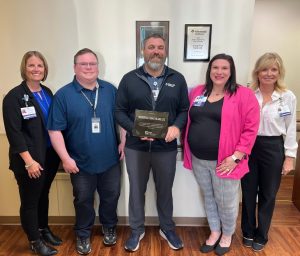
Simulation training helps care teams prepare for rare, high-risk events by allowing them to practice clinical decision-making and collaboration in a safe environment. Through an equipment grant distributed by the MHA Keystone Center with funding support from UnitedHealthcare, MyMichigan Health is strengthening hands-on learning to improve readiness for rare but life-threatening maternal emergencies.

Using MamaBirthie simulators provided through the grant, MyMichigan Health recently partnered with Maternal 911 to host a training focused on responding to Amniotic Fluid Embolism (AFE). The session brought together nurses, midwives and physicians from its Midland and Alma birthing units to practice rapid, coordinated response strategies, including an OB zone approach that clarifies team roles to ensure critical steps are not missed during high-risk events.

“These simulations give us the chance to practice responding to uncommon complications we hope never happen, but need to be prepared for,” said Tonia Vanwieren B.S.N., R.N., system nursing director of maternal child and women’s health, MyMichigan Health. “Having the equipment and time to train together builds confidence and helps us respond quicker when every second matters when an emergency arises.”

The MHA Keystone Center works alongside the Michigan Alliance for Innovation (MI AIM) on Maternal Health to equip Michigan birthing hospitals with practical tools that strengthen clinical readiness, build confident care teams and improve outcomes for mothers and babies across Michigan.

Members with questions about MI AIM or other maternal health quality improvement offerings should reach out to Naomi Rosner at the MHA Keystone Center. For more information and hospital stories, check out the 2025 Community Impact Report. Members with questions may contact Lucy Ciaramitaro at the MHA.

Hospitals Help: Lake Huron Medical Center Clinic Provides Free, Lifesaving Care

The clinic has volunteers that donate their time, including registered nurses, medical students, mobile clinic volunteers, physicians and six paid staff members.

Lake Huron Medical Center, Port Huron, partners with the People’s Clinic for Better Health, which has been providing life-saving healthcare at no cost to the uninsured and underinsured in St. Clair County for more than 35 years.

After seeing an increase in patients in the emergency department with no primary care due to having no health insurance, physicians identified the need to have a free clinic to help these individuals. Located within St. Clair County Community Mental Health, the clinic is open five days a week and accepts patients who are 18 years or older who are without insurance or receive Medicaid. The clinic provides routine health screenings, women’s health, non-emergency maintenance care of chronic illness, wellness checkups, specialist referrals, lab and radiology testing, diabetes education, benefits counseling and more. In 2024 alone, the clinic had a total of 1,239 patient visits and nearly 400 volunteer hours – 170 of those hours donated by local physicians.

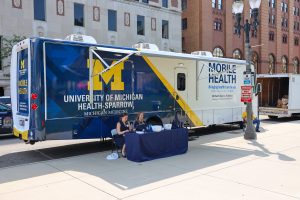
In early 2025, the People’s Clinic expanded their scope by creating a mobile clinic program, which partners with local health and human service agencies to bring a clinic on the road for people in need of primary care. The clinic has many volunteers that donate their time, including registered nurses, medical students, mobile clinic volunteers, physicians and six paid staff members.

“Every person deserves access to quality, compassionate care, regardless of their income or insurance status,” said Justin Hooks, FNP-BC, AAHIVS. “At the People’s Clinic, we meet patients where they are and walk beside them toward better health outcomes and dignity in care.”

For more information and hospital stories, check out the 2025 Community Impact Report. Members with questions may contact Lucy Ciaramitaro at the MHA.