
MHA Keystone Center to Present During National Caregiver Webinar
The National Alliance for Caregiving will host the webinar “Practical Methods for Integrating Caregivers into Care Delivery” from 1 to 2 p.m. ET May 27, highlighting how hospitals and health systems are embedding caregivers into care models across settings and patient populations.

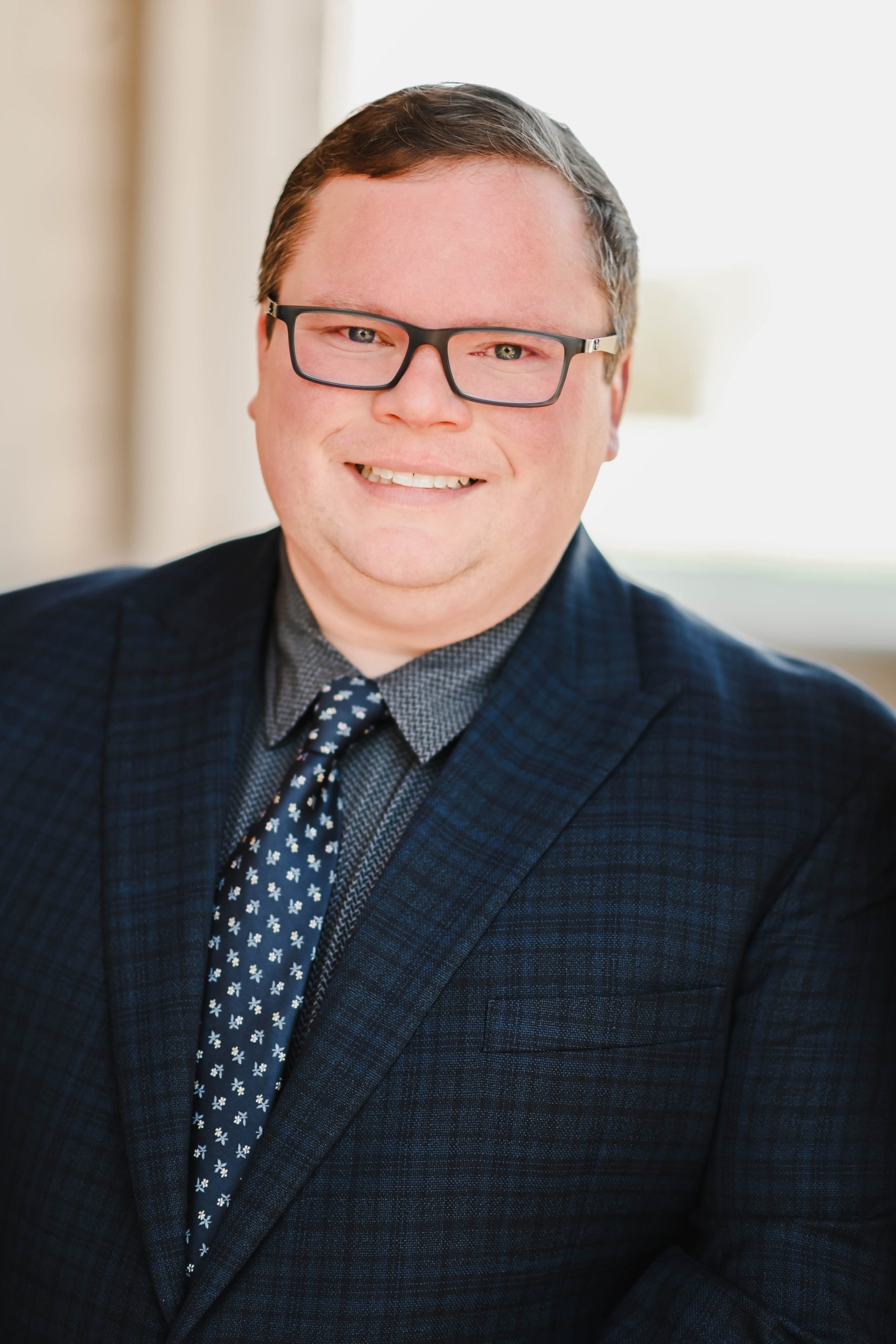
Joshua Suire, MHA, BSN, RN, director, safety and quality, MHA Keystone Center, will serve as a featured speaker during the national webinar. Suire will share insights from the Michigan Caregiver Navigation Toolkit pilot, including how Michigan organizations are designing and testing practical strategies to identify, assess and support family caregivers in routine care.

Participants will also learn how organizations nationwide are expanding caregiver support programs and using Medicare Caregiver Training Services reimbursement codes to strengthen caregiver engagement, training and support.

The discussion will highlight strategies and emerging practices to build sustainable caregiver support programs and improve outcomes for patients and caregivers. MHA members are encouraged to register and attend the webinar.

Members with questions may contact Joshua Suire at the MHA Keystone Center.

Hospitals Help: Memorial Healthcare Prioritizes Infection Control for Long-Term Care Residents

Michigan hospitals have long prioritized infection control and prevention, investing in resources that strengthen safety and quality measures for their patients and staff. The MHA Keystone Center is committed to supporting these efforts.

Healthcare teams across the state continue to monitor for cases of Candida auris (C. auris), a highly transmittable fungus identified in 2021 that can lead to serious infections. Managing the risk is especially critical across long-term care (LTC) facilities.

With this in mind, the Keystone Center team enrolled 11 Michigan-based LTC facilities last year in a project aimed at enhancing infection prevention and equipping healthcare teams with the necessary tools to address the spread of C. auris and other emerging pathogens.

Memorial Healthcare, a hospital that offers both long-term care and assisted living, was one of those given the opportunity to participate.

“We’re doing a lot of things right, but appreciate new eyes coming in to assess and give our teams unbiased feedback,” said Taryn Gemalsky, MSN, BSN, RN, director of nursing for long-term care, Memorial Healthcare. “We always want to protect our elderly residents who are at highest risk of vulnerability.”

With support from the Michigan Department of Health & Human Services and IPCWell, the project involved onsite and remote technical assistance for LTC teams to assess and enhance their infection control practices. As a part of this, staff and facility leaders are led through modules within the Centers for Disease Control and Prevention Infection Control Assessment and Response (ICAR) tool.

“Having an actionable plan with tangible tasks to hone in on is great,” said Bradley Moore, RN, manager of behavioral health and long-term care, Memorial Healthcare. “A lot of the staff have been a part of this work and it’s great to have their input on care improvements.”

Memorial Healthcare teams successfully closed every gap identified through the assessments.

“This effort has demonstrated how dedicated our members are to going above and beyond for their patients and communities,” said Joshua Suire, MHA, BSN, RN, director, safety and quality, MHA Keystone Center. “It’s been such a pleasure and inspiration to work with the teams at Memorial Healthcare who are clearly committed to excellence in the safety and quality space.”

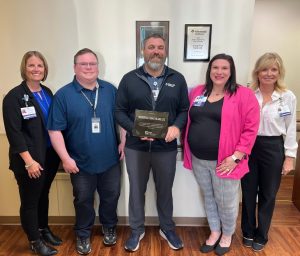
Memorial Healthcare team members pictured with their honorary plaque of completion from the MHA Keystone Center.

The MHA Keystone Center paid a visit to Memorial, awarding their team with infection glow kits, enhanced barrier precaution signage, education materials and an honorary plaque of completion to celebrate their participation in the project.

“The collaboration and support from the MHA truly makes a difference,” said Gemalsky. “Programs like this are only possible through strong partnerships and we are incredibly thankful for their continued support.

Those with questions or content ideas for the Hospitals Help series may contact Lucy Ciaramitaro at the MHA.

MHA Keystone Center Pilot Reduces Caregiver Strain

The MHA Keystone Center, in partnership with the Michigan Health Endowment Fund, released findings from a two-year pilot since implementing the Michigan Caregiver Navigation Toolkit in acute care settings. Results show reductions in caregiver strain and stronger caregiver support infrastructure across two Michigan health systems. Both organizations implemented the toolkit and conducted annual gap analyses to identify workflow gaps, set priorities and integrate caregiver support practices.

The MHA Keystone Center released two KeyLearnings modules to support implementation of the toolkit. The Michigan Caregiver Navigation Toolkit Module guides hospital teams through each section of the toolkit, while the Identifying, Understanding and Communicating the Role of Caregivers Module highlights the physical and emotional impact of caregiving and the importance of timely education, communication and resource support.

Caregiver Burnout as a Quality, Safety Concern

The pilot focused on reducing physical and emotional challenges for individuals caring for friends, neighbors or family members with complex health needs. Lower caregiver strain can lead to more timely support, fewer complications and reduced reliance on high-acuity services. Strengthening caregiver resilience supports improved patient outcomes and safety.

Pilot Sites Demonstrate Improvements

One pilot site reassessed 113 unpaid caregivers two months after initial evaluation and reported improvements across indicators. This includes:

  • Caregiver Intensity Index decreased by 54%
  • Mental health impact decreased by 46%
  • Stress-related drivers decreased by 70%
  • Stress-buffering supports increased by 19%

Caregiver intensity levels also shifted:

  • High-intensity cases decreased from 21 to 1
  • Moderate-intensity cases decreased from 84 to 10
  • Low-intensity cases increased from 8 to 50

These results indicate fewer caregivers remained in high-risk categories after receiving structured support from admission through two months post-discharge.

Guided by the MHA Keystone Center, both health systems implemented core toolkit components, including staff engagement, standardized assessments, community partnerships, communication strategies and sustainability planning. Staffing offsets supported participation in assessments and improvement activities. An online learning module was developed to expand statewide access and is available to members at no cost, along with the toolkit.

Key Takeaways for Quality and Safety Leaders

The pilot offers insights for leaders focused on reducing harm and improving system reliability, including:

  • Reducing caregiver strain supports patient safety by decreasing delays, complications and avoidable utilization
  • Annual gap analyses help identify deficiencies and guide targeted improvements
  • Standardized workflows, education tools and assessments support consistent caregiver practices
  • The model provides a practical path to reduce caregiver-related safety risks and improve outcomes

Members with questions may contact Joshua Suire at the MHA Keystone Center.

2025 Michigan Caregiver Navigation Toolkit Available

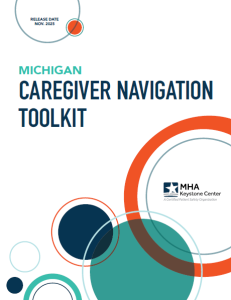
In alignment with National Caregiver Month, the MHA Keystone Center recently created the 2025 Michigan Caregiver Navigation Toolkit to support hospitals in their efforts to initiate and enhance caregiver support programming across the state.

The toolkit allows users to assess current structures to identify gaps and opportunities for improvement in caregiver support. It also provides guidance to create actionable plans for program development and expansion.

Members are encouraged to share the toolkit and accompanying modules with appropriate parties within their organization.

Printed copies of the toolkit are available upon request.

Members with questions may reach out to Joshua Suire at the MHA Keystone Center.