MHA CEO Report — Launching Collaboratives to Improve Community Health

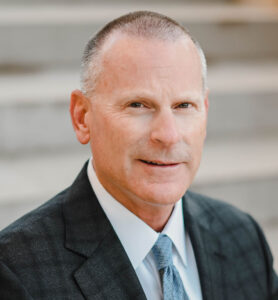
MHA Rounds graphic of Brian Peters

MHA Rounds image of Brian Peters“Coming together is a beginning, staying together is progress and working together is success.” — Henry Ford

In the healthcare community, we know that a person’s health is shaped outside the four walls of a hospital and our support must expand beyond acute care. The MHA recently launched community benefit collaboratives with this in mind and to improve outcomes in three critical areas: maternal health, behavioral health and chronic disease.

More than 50 of our member hospitals across Michigan are participating, with a focus on enhancing group prenatal care, improving perinatal mood disorder screening and support, preventing postpartum depression, and increasing food access and nutrition education.

The primary goal of the collaboratives is to create cross-sector and -system networks that advance the health and well-being of all Michiganders. These focus areas were carefully chosen after reviewing Community Health Needs Assessments and modeled after programs that are already making an impact in Michigan communities.

By scaling these proven efforts, we can help reduce barriers to care and improve health outcomes statewide.

Michigan hospitals serve rural, suburban and urban communities alike — and each system tailors care to the unique needs of its patients. The collaboratives were designed with flexibility in mind, offering components that can be adapted based on a hospital’s size, resources and populations served.

We’re excited to launch these collaboratives because they represent what our hospitals do best: caring for Michiganders — not just when they are in a hospital bed, but every day. By working in tandem with each other and with community partners, we can turn local success stories into a statewide movement for better health.

As always, I welcome your thoughts.

Michigan Hospital Collaboratives Launch to Improve Community Health

More than 50 Michigan hospitals are coming together to improve outcomes in maternal health, behavioral health and chronic disease across the state through new community benefit collaboratives launched by the Michigan Health & Hospital Association (MHA). The goal is to leverage community impact programming to maximize statewide improvements in these three areas.

The MHA will lead participating hospitals in implementing multi-year, scalable projects focused on enhancing group prenatal care, improving perinatal mood disorder screening and support, preventing postpartum depression and expanding food access and nutrition education. The collaborative topics were selected based on a review of all Community Health Needs Assessments completed by Michigan hospitals. Each collaborative is modeled after existing programs at Michigan hospitals and healthcare organizations designed to address healthcare barriers and improve health outcomes.

“This work reflects Michigan hospitals’ commitment to investing in their communities far beyond their four walls to improve population health,” said MHA CEO Brian Peters. “These collaboratives are designed to scale local success into making a statewide impact that advances the health and well-being of Michiganders where they live, work and grow.”

Each collaborative has various components that can be tailored to meet the unique needs of a hospital, depending on size, available resources and patient populations. The implementation of the collaboratives is supported by funding from the Michigan Health Endowment Fund. Public Policy Associates will facilitate program evaluations.

The list of participating hospitals for each collaborative is available below.

Behavioral Health Collaborative  

  • Henry Ford Health
  • MyMichigan Medical Center Alma
  • MyMichigan Medical Center Clare
  • MyMichigan Medical Center Gladwin
  • MyMichigan Medical Center Midland
  • MyMichigan Medical Center Mt. Pleasant
  • MyMichigan Medical Center Saginaw
  • MyMichigan Medical Center Sault
  • MyMichigan Medical Center Standish
  • MyMichigan Medical Center Tawas
  • MyMichigan Medical Center West Branch
  • ProMedica Monroe Regional Hospital
  • ProMedica Charles and Virginia Hickman Hospital
  • Trinity Health Ann Arbor
  • University of Michigan Health-Sparrow Lansing
  • University of Michigan Health-West

Chronic Disease Collaborative

  • Aspirus Iron River Hospital & Clinics
  • Aspirus Keweenaw Hospital & Clinics
  • Aspire Rural Health System Deckerville Community Hospital
  • Aspire Rural Health System Hills & Dales Healthcare
  • Aspire Rural Health System
  • Beacon Kalamazoo (formerly Borgess Hospital)
  • Bronson Battle Creek Hospital
  • Henry Ford Health
  • Kalkaska Memorial Health Center
  • Munson Medical Center
  • MyMichigan Medical Center Alma
  • MyMichigan Medical Center Clare
  • MyMichigan Medical Center Gladwin
  • MyMichigan Medical Center Midland
  • MyMichigan Medical Center Mt. Pleasant
  • MyMichigan Medical Center Saginaw
  • MyMichigan Medical Center Sault
  • MyMichigan Medical Center Standish
  • MyMichigan Medical Center Tawas
  • MyMichigan Medical Center West Branch
  • Scheurer Health
  • Schoolcraft Memorial Hospital

Maternal Health Collaborative  

  • Bronson Methodist Hospital
  • Corewell Health Lakeland Hospitals – St. Joseph Hospital
  • Henry Ford Health
  • MyMichigan Medical Center Alma
  • MyMichigan Medical Center Clare
  • MyMichigan Medical Center Gladwin
  • MyMichigan Medical Center Midland
  • MyMichigan Medical Center Mt. Pleasant
  • MyMichigan Medical Center Saginaw
  • MyMichigan Medical Center Sault
  • MyMichigan Medical Center Standish
  • MyMichigan Medical Center Tawas
  • MyMichigan Medical Center West Branch
  • Three Rivers Health Hospital (Beacon Health System)

To learn more about community benefit efforts across the state, visit the MHA Community Benefit webpage.

Based in Greater Lansing, the MHA is the statewide leader representing all community hospitals in Michigan. Established in 1919, the MHA represents the interests of its member hospitals and health systems in both the legislative and regulatory arenas on key issues and supports their efforts to provide quality, cost-effective and accessible care. The MHA’s mission is to advance the health of individuals and communities.

New PwC Report Warns of Rising Hospital Costs and Mounting Financial Pressure on U.S. Healthcare System

The Michigan Health & Hospital Association (MHA) is drawing attention to a new national report from PricewaterhouseCoopers (PwC) that outlines the severe financial challenges facing hospitals across the country that could soon jeopardize patient care if urgent policy action is not taken.

The report, Inflator: Hospital Costs, from Wages to Hospital Gowns, highlights the mounting pressures on hospitals due to surging costs, workforce shortages and skyrocketing demand for behavioral health services, all while proposed tax cuts and Medicaid funding reductions threaten to widen the gap between costs and revenue.

“This report confirms what hospitals in Michigan and across the country are living every day: skyrocketing costs, growing demand and shrinking margins,” said MHA CEO Brian Peters. “We cannot afford policies that slash Medicaid funding or shift more financial burden to hospitals and patients. Without sustainable support, hospitals – especially those in rural and underserved areas – face real threats of closure.”

Key findings from the PwC report include:

  • Hospital margins have plummeted, dropping from an average of 7% in 2019 to just 2.1% in 2024, with additional declines reported in early 2025.
  • Drug spending surged by $50 billion (11.4%) in 2024, more than double the increase seen in 2023, largely driven by high-cost therapeutics in chronic disease areas like oncology, obesity and diabetes.
  • Behavioral health claims soared, with inpatient claims increasing by 80% and outpatient claims by 40% over a two-year span, reflecting the intensifying behavioral health crisis.
  • Tariffs and supply chain challenges continue to drive up the cost of everyday medical supplies, compounding inflationary pressures.
  • Medicaid cuts and federal tax policies could force the closure of service lines at facilities that rely heavily on government payers, impacting access to care for all residents.

The report also outlines how hospitals are working to offset financial pressures by investing in revenue cycle improvements and value-based payment models. Still, the report emphasizes that system-wide stability will require collaboration between payers, providers, policymakers and employers, especially as rural hospitals face ongoing threats of closure.

The MHA is supporting Michigan hospitals facing these mounting challenges through the following actions:

  • Advocating to preserve and strengthen the federal 340B program, which enables hospitals to purchase outpatient medications at discounted rates, freeing up resources to serve low-income and uninsured patients.
  • Working with state policymakers to expand access to mental health and substance use treatment, reduce emergency department (ED) strain and support hospitals’ efforts to meet growing behavioral health needs. This includes Senate Bill 806, which expands the three-hour assessment responsibility by allowing clinically-qualified staff to conduct pre-admission screenings for behavioral health patients seeking care in the ED.
  • Leading efforts to expand the healthcare workforce pipeline through partnerships with post-secondary educators, awareness campaigns and recruitment and retention initiatives to help hospitals manage staffing costs while maintaining high-quality care.
  • Working to add Michigan to the Nurse Licensure Compact, allowing nurses to practice across state lines without the burden of obtaining additional licenses.
  • Advocating against Medicaid cuts and pushing for reimbursement rates that reflect the true cost of care, especially for safety net and rural hospitals that disproportionately rely on public payers.

The full report is available on the PwC website.

MHA CEO Report — A Year of Progress and Purpose

MHA Rounds image of Brian Peters

“There is no power for change greater than a community discovering what it cares about.” — Margaret J. WheatleyMHA Rounds graphic of Brian Peters

With another program year behind us, the MHA Annual Meeting served as a powerful reminder of our shared mission to advance the health and well-being of Michigan’s patients and communities. Despite an evolving political landscape, we’ve made meaningful progress and are moving ahead with clear purpose.

As you can imagine, the 2024-2025 MHA program year was marked by busy periods of state legislative activity and various developments at the federal level. We can attribute a tremendous amount of our success to Dr. Julie Yaroch, president of ProMedica Charles and Virginia Hickman Hospital, who served as board chair. Dr. Yaroch’s leadership, clinical expertise and passion for public health had significant impact across countless areas of work.

It’ll come as no surprise that ensuring access to quality healthcare for all Michiganders continued – and continues – to be a priority. This program year, the MHA successfully prevented proposed government mandated nurse staffing ratio legislation from receiving a committee vote. Advocacy efforts also continued around 340B to maintain access to community-based care and prevent drug manufacturer overreach. This resulted in strong bipartisan support for legislation that passed the Michigan Senate and collaboration at the federal level with Senator Debbie Stabenow on the SUSTAIN 340B Act.

I’d be remiss not to mention our response to proposed federal cuts to Medicaid. The MHA, alongside urban and rural members, has prioritized congressional meetings, grassroots communications, coalition efforts and collaboration with state executive leadership to send a strong, clear message: Michigan needs Medicaid.

All that said, playing defense didn’t define our program year. In an effort to grow and develop our healthcare workforce, the MHA successfully hosted the inaugural Healthcare Careers Conversation and led changes to the Michigan Reconnect Program. This resulted in 4,300 students enrolling in short-term healthcare programs, a complement to our ongoing MI Hospital Careers campaign work. Additionally, we pursued state legislation to address provider credentialing delays, secured key amendments to the Earned Sick Time Act and had a hand in proposed changes to the state’s unemployment compensation benefits, among many other employer-related policies.

I’m also incredibly proud to share that we worked with state legislators to design, draft and introduce legislation that makes assaulting a healthcare worker a felony, while tying it to appropriate criminal justice system diversions. Our MHA Keystone Center collaborated to offer active shooter trainings and workplace violence gap analyses to our members while serving as a founding partner of Lawrence Technological University’s Healthcare Violence Reduction Center (HVAC).

We were fortunate to see several MHA priorities included within the FY 2024 state budget, notably a large sum put toward mental and behavioral health. The MHA team successfully secured $8.3 million to launch a competitive grant program for hospital-based peer recovery coach (PRC) programs while leading the charge on a series of impactful prevention and data-driven efforts. Understanding that gaps in behavioral health continue to effect urban and rural hospitals alike, these successes lay the groundwork for what’s ahead.

Emerging technologies and the integration of artificial intelligence (AI) reinforced our commitment to addressing cybercrime and strengthening cybersecurity policy. With this in mind, the MHA worked directly with the Michigan Attorney General and state policy leaders to ensure hospitals are reflected as victims of cybersecurity events. Simultaneously, we engaged our MHA Service Corporation, MHA AI Task Force, CFO Council and industry experts to deploy a series of cybersecurity events and resources to members.

I’d like to applaud our teams for handling a handful of unforeseen challenges, including working over the course of many months to address critical supply chain needs following the devastating impacts of Hurricane Helene. We also saw impressive engagement across annual member events, from our MHA Human Resources Conference and MHA Keystone Safety & Quality Symposium to the Healthcare Leadership Academy and Excellence in Governance Fellowship.

These milestones are just a glimpse into what we accomplished together this program year. I’m deeply grateful to our MHA Board of Trustees, members, sponsors, business partners and dedicated MHA staff – your unity and unwavering dedication to this work continues to have a lasting impact.

As always, I welcome your thoughts.

MHA Monday Report June 23, 2025

Senate Health Policy Holds Testimony on Opioid Legislation

The Senate Health Policy Committee held testimony on legislation related to treating patients with opioid use disorders during the week of June 16. Collectively, Senate Bills 397–405 make numerous changes to improve coverage and access for Michiganders to receive …


MHA Shares Recent Medicare and Medicaid Enrollment Analysis

The MHA recently updated its analysis of Medicaid and Medicare enrollment based on May 2025 data. The analysis includes program enrollment as a percentage of each county’s total population and the split between fee-for-service and …


Recording and Materials Available from Medicare Quality Based Program Webinars

The MHA recently partnered with DataGen to host two webinars focused on the three Medicare fee-for-service (FFS) quality-based programs. These programs, mandated by the Affordable Care Act of 2010, can reduce hospital inpatient FFS payments …


MHA Guide to Behavioral Health Sites of Care Now Available

In an effort to help Michigan communities make informed decisions about where to seek behavioral healthcare services, the MHA has developed the Guide to Michigan’s Behavioral Healthcare Crisis Continuum. This material offers a broad overview of …


Michigan CNOs Convene at MHA Headquarters for Statewide Meeting

Chief nursing officers from across Michigan convened June 12 at the MHA headquarters in Okemos for a statewide, in-person meeting focused on healthcare policy, leadership and workforce safety. The meeting was led by Amy Brown, …


Latest AHA Trustee Insights Examines How Boards are Reimagining Workforce

The June edition of Trustee Insights, a monthly digital publication from the American Hospital Association, highlights how board members can support workforce planning and leverage innovation to strengthen healthcare delivery. One article outlines key questions …


Keckley Report

The May 2025 CPI Report: Good News, Bad News for Healthcare

“Last Wednesday, the Bureau of Labor Statistics issued its Consumer Price Index Report for May, 2025: “The Consumer Price Index for All Urban Consumers (CPI-U) increased 0.1% on a seasonally adjusted basis in May, after rising 0.2% in April. Over the last 12 months, the all-items index increased 2.4% before seasonal adjustment.” …

The public’s appetite to slow health spending, expose prices and costs and address the system’s waste, fraud and abuse is strong and growing. It’s certain to figure prominently in Congress’ budget negotiations and increasingly in household spending decisions.

The CPI is a lag indicator. It does not foretell the health economy of the future. That’s the discussion that’s needed.”

Paul Keckley, June 16, 2025


News to Know

MHA Endorsed Business Partner SUNRx is inviting 340B member hospitals to register for the Regional 340B Roundtable July 8 at Belterra Resort in Florence, IN.


MHA in the News

The Becker’s Healthcare Podcast published an episode June 16 that features MHA CEO Brian Peters joining host Scott Becker to discuss the current healthcare landscape and what the future looks like. Peters spent time discussing …

MHA Guide to Behavioral Health Sites of Care Now Available

MHA Guide to Michigan’s Behavioral Healthcare Crisis Continuum

In an effort to help Michigan communities make informed decisions about where to seek behavioral healthcare services, the MHA has developed the Guide to Michigan’s Behavioral Healthcare Crisis Continuum.

This material offers a broad overview of the behavioral health services available across the state, the populations they serve and a specific listing of inpatient and outpatient facilities by name. The guide specifically lists all known:

  • Mobile Crisis Units (MCUs)
  • Certified Community Behavioral Health Clinics (CCBHCs)
  • Emergency Psychiatric Assessment, Treatment and Healing (EmPATH) Units
  • Partial Hospitalization Programs (PHPs)
  • Crisis Stabilization Units (CSUs)
  • Psychiatric Residential Treatment Facilities (PRTFs)

Michigan hospitals are encouraged to make use of this resource and contact the MHA Policy Team with questions, feedback or additions to the guide.

Language, Trust and Care: Reflections from the AHA Behavioral Health Workshop

Byline: Lenise Freeman, Government Relations and Public Policy Fellow

I had the opportunity to attend at the end of April a Behavioral Health Workshop in New Orleans hosted by the American Hospital Association. This interactive event brought together hospital leaders, clinical teams and behavioral health professionals to co-design care strategies that improve outcomes, particularly for individuals managing mental health and substance use conditions.

The workshop focused on person-centered care, with the clear message of how we communicate with patients is just as important as the services we deliver. In one session, we discussed “how might we” questions, such as how to align care with patients’ language needs and how to involve families and caregivers in treatment planning.

We explored practical solutions like hiring staff who speak multiple languages, giving patients the option to search for providers based on language and adding visual tools and multilingual signage to clinical spaces. Among the discussion, the value of training teams to use clear, respectful language and to be mindful of different communication preferences from patients was highlighted.

One message that stood out to me was how often communication gaps point to broader challenges in the healthcare system. When patients don’t have access to language support or feel uncomfortable speaking up, it becomes harder to build trust and deliver effective care. Attendees raised long-standing issues such as staffing shortages, outdated licensing rules and underdeveloped data systems.

There was a shared urgency to address these concerns. Participants emphasized the need for national standards on language access, better career pathways for multilingual professionals and increased resources for staff training. Many also talked about the importance of building stronger relationships between providers and the communities they serve.

This discussion reminded me of Michigan hospitals’ commitment to prioritizing the patient voice. Across the state, hospitals continue to invest in patient advocacy and support services. The MHA has worked with several organizations through its Endorsed Business Partner Program to connect members with solutions that improve access to care, including tools and resources for language services.

My biggest takeaway is that thoughtful care requires intention at every level. From how we design spaces and prepare staff to how we listen and respond to patient feedback, every detail matters.

This workshop was a meaningful reminder that improving behavioral healthcare starts with listening and that progress is possible when we commit to clear, consistent action.

MHA Testifies in House Oversight Subcommittee, IMLC and AOT Legislation Passes Senate

The MHA provided testimony May 21 to the House Oversight Subcommittee on Public Health & Food Security on certain challenges related to behavioral health patients and the need for inpatient psychiatric beds across the state.

The House Oversight Subcommittee on Public Health & Food Security heard about patients facing behavioral health crises and their experiences with emergency department boarding based on insurance status. Taylor Alpert, government relations manager, advocacy, MHA shared data the association began collecting in 2023 on emergency department length of stay for patients with a behavioral health diagnosis. The data revealed more than 155 patients with a behavioral health diagnosis waiting in a hospital emergency department daily. Patients with Medicaid coverage experience longer wait times than those with commercial insurance, with one in three Medicaid patients spending more than 48 hours in the emergency department before being admitted or discharged.

Adam Carlson, senior vice president, advocacy, MHA outlined the process of the current preadmission screening assessment completed by providers for patients with a behavioral health diagnosis and illustrated for the committee how the process is unnecessarily complicated for those with Medicaid coverage. Carlson provided information on how member hospitals in the state are actively trying to expand or undergo capacity improvement projects to address this growing issue, but federal Medicaid threats, staffing gaps and state behavioral health beds per capita remain a challenge.

The MHA has been exploring opportunities to address this issue at the state level and has been working with the legislature on changing the statutory requirements for preadmissions screening timelines. Senate Bill (SB) 316, sponsored by Sen. Roger Hauck (R-Mount Pleasant), enforces a three week timeline for completing a preadmission screening requirement for patients covered by Medicaid and was introduced earlier this week. The MHA will continue to educate legislators on this issue and support SB 316 to expand the assessment responsibility to improve the delivery of care for behavioral health patients in Michigan.

Additional behavioral health legislation advanced in the Senate this week:

  • SB 303, also sponsored by Sen. Roger Hauck, renews Michigan’s participation in the Interstate Medical Licensure Compact. It passed unanimously in the Senate and now moves to the House Health Policy Committee.
  • SBs 219–222, introduced by Sen. Kevin Hertel (D-St. Clair Shores), update procedures for Assisted Outpatient Treatment to improve care for individuals experiencing behavioral health crises.

In the House, the Rules Committee passed House Bill 4246, sponsored by Rep. Phil Green (R-Millington), which would establish a nurse licensure compact agreement in Michigan. The MHA has expressed support for each of these legislative efforts.

Members with additional questions should contact Elizabeth Kutter at the MHA.

The Reality for Medicaid Patients Entering the ED With a Behavioral Health Crisis

Marianne E. Huff, LMSW, President and CEO, Mental Health Association in Michigan

Imagine this: You enter a hospital emergency department for chest pain. The clinicians onsite confirm you’re having a heart attack, but before can receive lifesaving care, you must wait for a second pre-admission screening from an agency outside of the hospital. The process could take hours – maybe even days.

The odds of that happening are not likely; However, it’s often the reality for Medicaid beneficiaries who come to the emergency department experiencing a behavioral health crisis.

In my role at the Mental Health Association in Michigan, I’ve had the privilege of advocating for patients and communities across the state who are living with mental illness. Unfortunately, a part of this job is having to witness the lasting impact that barriers in the system have on patients, providers and the overall care landscape.

When it comes to getting patients with Medicaid coverage inpatient behavioral healthcare, there are a series of unnecessary hurdles. One of the most time-consuming steps is that following an assessment by qualified ED clinicians, a patient with Medicaid must receive a secondary pre-admission screening from a community mental health (CMH) agency. Although it’s required for a CMH to perform the pre-admission assessment in a three-hour window, that’s rarely the case.

This effects people at all walks of life, but I’ve seen a troubling number of pediatric patients suffering as a result. In one case, a mother sat in the emergency department for weeks with her young daughter who was in dire need of inpatient behavioral healthcare services.

Sadly, that experience is not uncommon. I’ve seen parents put their jobs at risk to accompany children boarded in the ED. Oftentimes mental health conditions are compounded with acute medical issues, which further complicates the process of finding care.

As an association, we strive to transform the way our state and nation approaches mental illness. This is not possible if we don’t uphold a system that supports early intervention and gets patients the care they need without unnecessary delays.

Alongside the MHA and Michigan hospitals, our association agrees that one solution is to expand the three-hour assessment responsibility to allow clinically qualified ED staff to conduct pre-admission screenings. As a result, we can help improve the delivery of care for behavioral health patients who enter hospital EDs across Michigan.

The Mental Health Association in Michigan is the only statewide, non-governmental agency concerned with the broad spectrum of mental illness across all age groups.

Michigan Senate Hears MHA Testimony on ED Boarding Challenges, MHA Opposes Introduced MCPA Bill

The MHA provided testimony May 7 to the Senate Health Policy Committee on certain challenges related to hospital emergency department boarding for behavioral health patients.

The Senate Health Policy Committee heard about patients facing behavioral health crises and their experiences with emergency department boarding based on insurance status. Lauren LaPine, senior director, legislative & public policy, MHA  discussed how the association collected data, starting in 2023, from hospital emergency departments on length of stay for patients with a behavioral health diagnosis. Initial findings within this data showed there were over 150 patients with a behavioral health diagnosis waiting in a hospital emergency department daily. Furthermore, behavioral health-related patients with Medicaid coverage spent longer time in hospital emergency departments than their counterparts with commercial insurance and one of every three patients with Medicaid spent more than 48 hours in a hospital emergency department waiting to be accepted for inpatient hospitalization or discharged.

Lauren LaPine, senior director, legislative & public policy, MHA and Kyle Hoffmaster, director, patient access, Pine Rest Christian Mental Health Services provided testimony May 7 on patients facing behavioral health crises and their experiences with emergency department boarding based on insurance status.

LaPine explained the process of the pre-admission screening assessment completed by providers for these patients with a behavioral health diagnosis and illustrated for the committee how the process is unnecessarily complicated for those with Medicaid coverage.

Kyle Hoffmaster, director, patient access, Pine Rest Christian Mental Health Services also provided testimony on the challenges faced by their organization in helping serve behavioral health patients seeking care. He shared how waiting for another provider from the community mental health (CMH) organizations to complete a pre-admission assessment for patients covered by Medicaid can cause significant delays in these patients receiving the care they need. Patients covered through Medicaid are forced to go to a hospital emergency department per guidelines from the CMHs to receive the assessment in that specific setting, causing more unnecessary stress and costs for families and providers alike. Sharing personal experiences from Pine Rest Christian Mental Health Services illuminated the need for serious change on this issue. The MHA will continue to educate lawmakers on this challenge and work to expand the assessment responsibility to improve the delivery of care for behavioral health patients in Michigan.

In addition, the Senate Finance, Insurance and Consumer Protection Committee took testimony on Senate Bill (SB) 134, sponsored by Sen. Sam Singh (D-East Lansing), which repeals the regulatory compliance exemption under the Michigan Consumer Protection Act (MCPA). If signed into law, this legislation would significantly increase the potential for class-action lawsuits under the MCPA purview against the hospital industry in the state without protecting consumers. The MHA, along with several other businesses and industries stands opposes to this harmful legislation.

Members with additional questions should contact Elizabeth Kutter at the MHA.