Peters Expresses Value of Hospitals While Insurance Premiums Rise

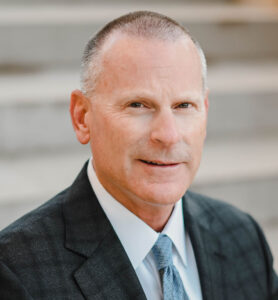
The MHA received media coverage during the week of Oct. 27 as MHA CEO Brian Peters discussed the value of hospitals in light of rising insurance premiums.

MIRS published a story Oct. 30 looking at the cost drivers of increasing insurance rates, interviewing several healthcare and association leaders. Peters mentioned the various costs that have increased for hospitals that are necessary to continue to provide accessible and quality services to patients, including labor, drugs, infrastructure and medical liability.

Peters also shared how “a relatively unhealthy population” showing up with “inadequate health insurance” leads to higher utilization and costs in the system.

Gongwer and The Detroit News published articles Oct. 31 on the topic as well, following approval of the 2026 health insurance rate change requests by the Michigan Department of Insurance and Financial Services. Peters highlighted the importance of extending the enhanced premium tax credits at the federal level.

“If the Affordable Care Act passage has proved anything, it’s that we can do a much better job of dealing with these health care challenges if people have coverage, and it’s good coverage, meaning not skinny plans, where you’ve got enormous co-pays and deductibles,” said Peters to The Detroit News.

Members with any questions regarding media requests should contact John Karasinski at the MHA.

Headline Roundup: House Budget Reaction

The MHA received a host of media coverage from across the state during the week of Aug. 25 after the MHA issued a media statement reacting to the state budget bill passed Aug. 26 by the Michigan House of Representatives.

House Bill 4706 would institute several harmful changes to hospital funding, which could result in more than 20,000 job losses in Michigan hospitals. The statement from MHA CEO Brian Peters expressed the MHA’s strong opposition to this version of the state budget, expressing the harmful consequences it would bring and the need for a state budget that protects existing hospital funding.

Friday, Aug. 29

Thursday, Aug. 28

Wednesday, Aug. 27

Tuesday, Aug. 26

Members with any questions regarding media requests should contact John Karasinski at the MHA.

Virtual Media Roundtable Focuses on Medicaid Funding Cut Consequences

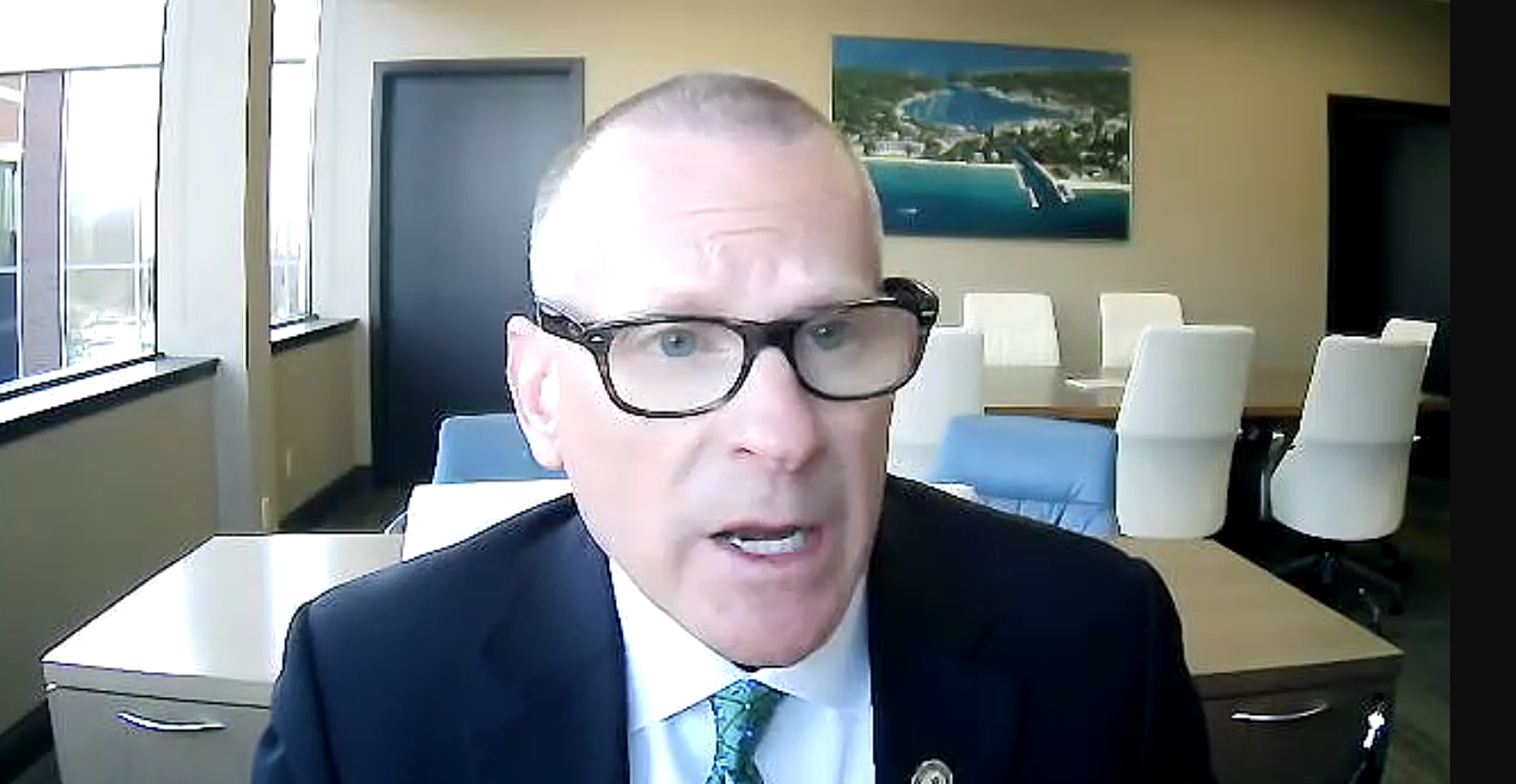
MHA CEO Brian Peters speaks during a virtual media roundtable about Medicaid.
MHA CEO Brian Peters speaks April 3 during a virtual media roundtable about Medicaid funding cuts.

A virtual media roundtable hosted April 3 by the Michigan League for Public Policy included MHA CEO Brian Peters as a panelist, where he discussed the consequences for potential Medicaid funding cuts by Congress.

Crain’s Detroit Business, CBS Detroit and MIRS published stories as a result of the roundtable.

“When Medicaid funding reductions force hospitals to curtail services or in fact eliminate entire service lines or in fact close hospitals … the services are no longer available to Medicaid recipients, but they’re no longer available to anyone in the community, either,” said Peters. “The cuts that are being contemplated in Washington, D.C. right now, if those were to be implemented, they would cost jobs. And more importantly, I can tell you, they would cost lives,”

Monique Stanton from the Michigan League for Public Policy.

Joining Peters during the roundtable were:

  • Monique Stanton, President & CEO, Michigan League for Public Policy
  • Russ Kolski, Interim Executive Director, Ingham Community Health Center
  • Susan Harding, Executive Director, Oakland Livingston Human Services Agency
  • Jenny Wagemann, Manager, Allen Farmers Market and Breadbasket Food Pantry

On a separate note, MLive also published a story April 3 that references the MHA’s healthcare workforce data and the 44% reduction in nursing vacancies in Michigan hospitals from 2023 to 2024. The story shares news on a nursing student loan repayment program announced by the Michigan Department of Health and Human Services. The Detroit Free Press also published an article on the program, citing the MHA’s Economic Impact of Healthcare Report.

Members with any questions regarding media requests should contact John Karasinski at the MHA.

LaPine Appears on MIRS Monday Podcast Discussing Behavioral Health

Lauren LaPine

Lauren LaPineLauren LaPine, senior director, legislative and public policy, MHA, appeared on the MIRS Monday podcast published March 24 to discuss the state behavioral health system.

LaPine spoke about the challenges associated with patients boarding in the emergency department (ED) while they await placement for behavioral health services and the impact it has on all patients. She also discussed the current need for specialty psychiatric placements and the need to increase capacity for these beds in the state.

“When we have patients coming to the emergency department that are in a behavioral health crisis, that can cause a backlog and [increased] wait times for critical care,” said LaPine. “We learned that at any one point in time, there are 177 patients stuck in the emergency department waiting for either a behavioral health assessment to determine what kind of care they need, or they’re stuck in the ED waiting for an inpatient bed.”

The episode was hosted by Samantha Shriber from MIRS and joining LaPine during the interview was Constance O’Malley, RN, MSA, FACHE, regional chief operating officer, UM Health Regional Network; and Rep. Greg VanWoerkom (R-Norton Shores), chair of the House’s Medicaid and Behavioral Health appropriations subcommittee.

Members with any questions regarding media requests should contact John Karasinski at the MHA.

Appel Joins WJR Live from Lansing Broadcast

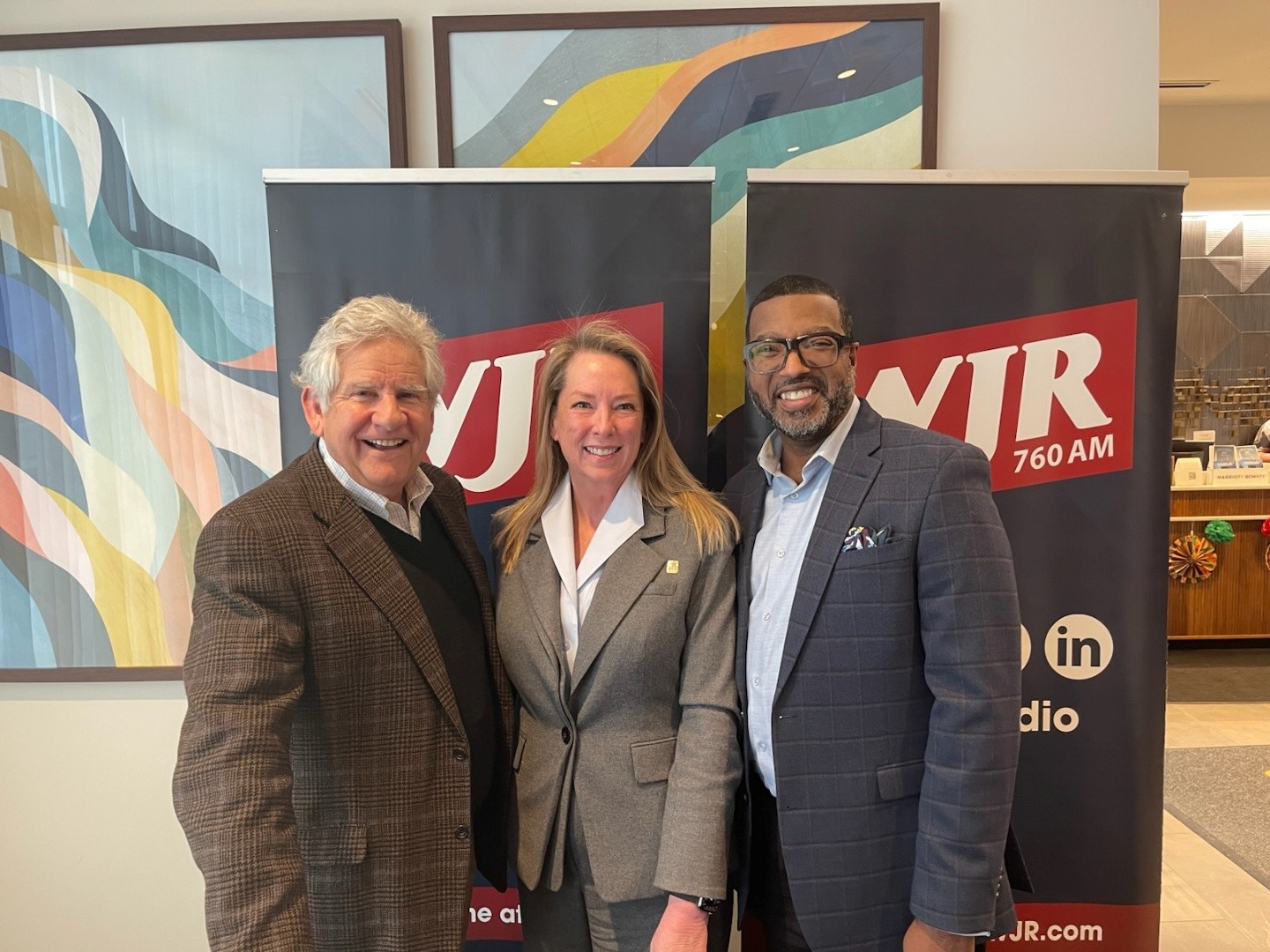
MHA EVP Laura Appel with WJR's Guy Gordon and Lloyd Jackson.
MHA EVP Laura Appel with WJR’s Guy Gordon and Lloyd Jackson.

MHA Executive Vice President Laura Appel appeared on Detroit’s WJR 760 AM’s ‘JR Morning with Guy Gordon, Llyod Jackson and Jamie Edmonds’s “Live from Lansing” broadcast Feb. 26 as part of the station’s annual coverage of legislative and policy issues facing the state the morning after Gov. Gretchen Whitmer’s State of the State address. The MHA sponsored the program, with the broadcast hosted at the Courtyard by Marriott Lansing Downtown.

As part of the program lineup, Appel spoke with Gordon and Jackson about the state of hospitals and the many changes they face, including the healthcare workforce, the 340B program and protecting Medicaid from federal funding cuts. Other notable interviewees during the event included Senate Minority Leader Aric Nesbitt (R-Lawton) and Speaker of the House Matt Hall (R-Richland Township).

Relevant healthcare topics included in the State of the State address included expanded attention towards recruiting males to pursue post-secondary education opportunities and increased state support for forgiving patient medical debt.

Additional media stories published during the week of Feb. 24 included an article picked up by both Bridge and MIRS on the challenges of behavioral health transport services for providers in the Upper Peninsula. Lauren LaPine, senior director of Legislative & Public Policy, MHA, was quoted in the article discussing efforts with the Michigan Department of Health & Human Services to implement and fund behavioral health transportation services at hospitals across the state.

“We believe that a patient shouldn’t have to be transported via police transport for behavioral health needs,” said LaPine.

In addition, the MHA received mention in a Feb. 27 article from MIRS recapping a House Health Policy Committee hearing about the 340B program.

Members with questions should contact John Karasinski at the MHA.

Capitol News Outlets Cover 340B Legislation

MHA CEO Brian Peters

The MHA received media coverage the week of Dec. 9 on Senate Bill 1179, which would protect access to affordable prescription drugs and healthcare services through the 340B Prescription Drug Pricing Program. The bill was reported out of the Senate Oversight Committee Dec. 11 and passed the full Senate Dec. 13.

Lansing political outlets MIRS and Gongwer both published stories Dec. 11 that included portions of a media statement issued by the MHA after SB 1179 moved out of committee. Additional stories were published by MIRS Dec. 12, Gongwer Dec. 13 and 340B Report Dec. 13 following the passage of SB 1179 by the full Senate.

“Michigan’s senators stood up to the out-of-state pharmaceutical interest groups and we applaud them for their efforts,” said Peters. “We now call on the Michigan House of Representatives to follow the Senate’s lead and get this bill over the finish line. Michiganders can’t afford to continue to have their healthcare services attacked to pad PhRMA balance sheets.

Outside of this week’s activity on 340B, the Becker’s Healthcare Podcast published an episode Dec. 12 with Peters that was recorded at the Becker’s Healthcare 12th Annual CEO + CFO Roundtable. Peters discusses the evolving challenges and opportunities in healthcare, including cybersecurity, the role of AI, workforce issues and the importance of community partnerships to address health equity.

Members with any questions regarding media requests should contact John Karasinski at the MHA.

340B and Mackinac Policy Conference Media Coverage

The MHA received media coverage the week of June 3 that includes coverage on the 340B drug pricing program and from the Mackinac Policy Conference on the healthcare workforce.

Michigan Advance published an article June 6 recapping the Michigan House Insurance and Financial Services Committee meeting June 5 on House Bill 5350, which would protect access to affordable prescription drugs and healthcare services through the 340B Prescription Drug Pricing Program. The article specifically references an infographic submitted to the committee by the MHA, which describes the value of the 340B program and how it supports vulnerable patients and the providers that care for them.

“[MHA] says the program allows hospitals flexibility to invest savings back into local healthcare needs through programs such as mobile health clinics, financial assistance programs for low-income patients, supporting high-cost lines of service needed within a community, or providing access to low-cost drugs.”

In addition, the article references the additional MHA-members who testified in support of the bill. MIRS and Gongwer also published stories on the testimony.

Ruthanne Sudderth, senior vice president and chief strategy officer, MHA.

Ruthanne Sudderth, senior vice president and chief strategy officer, MHA, also appeared in two podcast episodes published the week of June 3 that were recorded at the Detroit Regional Chamber’s Mackinac Policy Conference.

Sudderth joined Blue Cross Blue Shield of Michigan’s A Healthier Michigan podcast to speak about the long-standing partnership between BCBSM and the MHA on a variety of issues, including the history of the MHA Keystone Center and addressing healthcare workforce needs.

Sudderth appeared on The Michigan Opportunity as well, a podcast produced by the Michigan Economic Development Corporation, to discuss the healthcare workforce. Also appearing in the episode is Gov. Whitmer.

Members with any questions regarding media requests should contact John Karasinski at the MHA.