
Senate Protects Healthcare Services from PhRMA Attacks

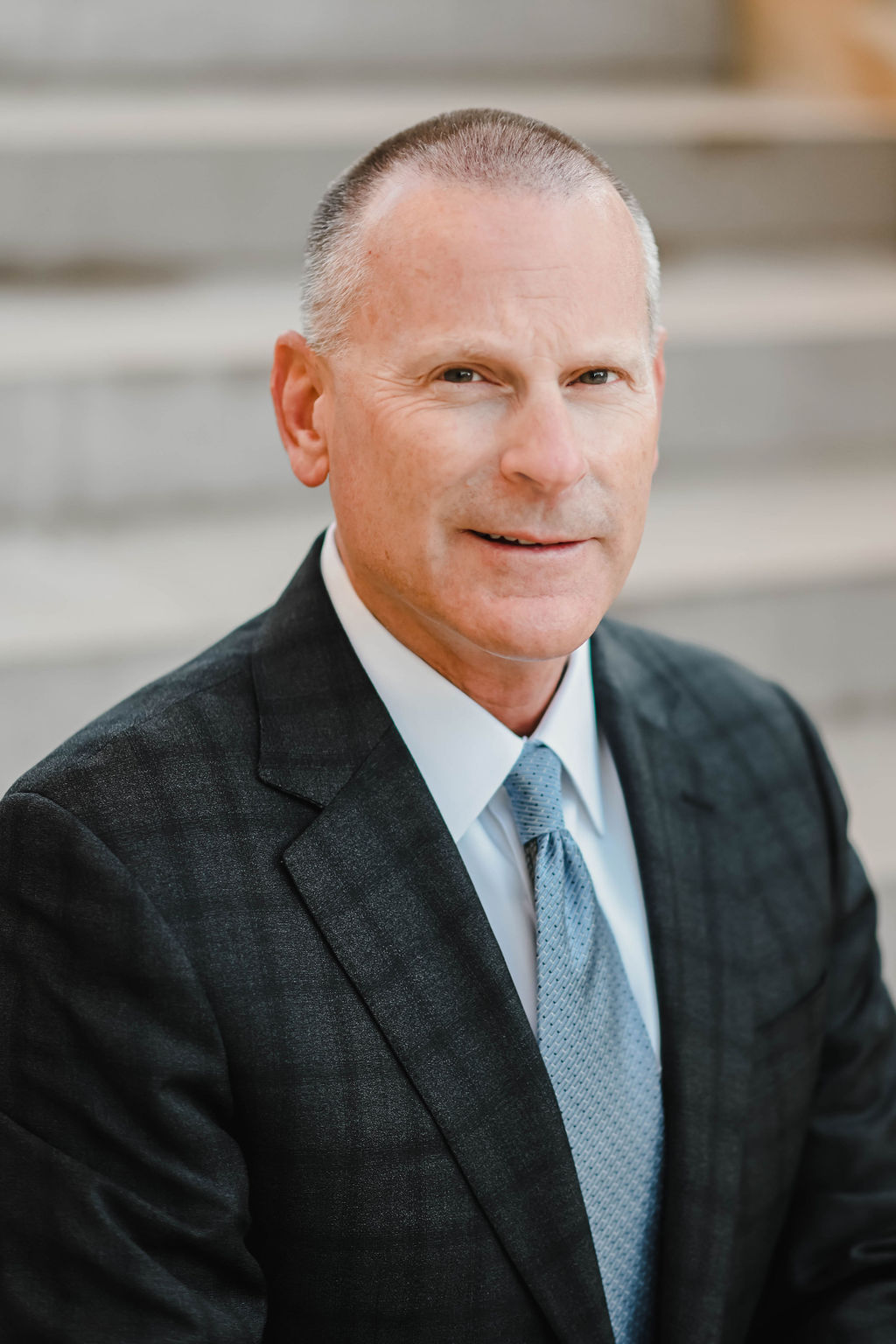
The following statement can be attributed to Brian Peters, CEO of the Michigan Health & Hospital Association.

MHA CEO Brian PetersWe are grateful for the broad bipartisan collection of senators who passed Senate Bill 1179 to protect community healthcare services from pharmaceutical manufacturers’ arbitrary attacks on the 340B drug pricing program.

Safety net providers, from Federally Qualified Health Centers to cancer and rural hospitals, and the services they offer to vulnerable patients are under threat from drug manufacturers prioritizing their own profits over healthcare access.

Michigan’s senators stood up to the out-of-state pharmaceutical interest groups and we applaud them for their efforts.
We now call on the Michigan House of Representatives to follow the Senate’s lead and get this bill over the finish line. Michiganders can’t afford to continue to have their healthcare services attacked to pad PhRMA balance sheets.

Senate Committee Puts Patients Over PhRMA Profits

The following statement can be attributed to Brian Peters, CEO of the Michigan Health & Hospital Association.
MHA CEO Brian Peters

Members of the Senate Oversight Committee put patients over pharmaceutical profits by reporting out Senate Bill 1179 to the full Senate, which adds state-level protections to the 340B drug pricing program and the affordable, community-based care it supports.

The 340B program is an essential safety net program that supports vulnerable patients and the providers that care for them. It allows eligible Michigan hospitals to stretch incredibly scarce resources to provide care for more patients in their communities, increasing access to care.

These protections prevent manufacturers from arbitrarily restricting program participation that threatens access to care by cutting program savings. Such harmful actions by these companies risk the closure of birthing units, nursing homes and even critical access hospitals.

We look forward to the full Senate passing this bill and will continue to work with our partners in the House to make sure this important piece of legislation reaches Gov. Whitmer’s desk before the end of the year.

Revised Sharps Disposal Requirements Signed Into Law

The following statement can be attributed to Brian Peters, CEO of the Michigan Health & Hospital Association.

MHA CEO Brian Peters“The hospital community thanks Sen. Kristen McDonald Rivet for sponsoring, and Gov. Whitmer for signing, Senate Bill 482, which will directly improve hospitals’ ability to appropriately dispose of sharps in a timely manner, reduce medical waste and remove unnecessary cost from the process. The MHA and its members appreciate the Legislature’s willingness to work collaboratively on solutions that can positively impact patient care and lower costs.”

MHA Statement on Global IT Outage

The following statement was issued at 11 a.m. June 19 by the Michigan Health & Hospital Association (MHA)

The MHA is aware of the global IT issue that occurred overnight with a major technology vendor that is now affecting multiple sectors, including healthcare.

The issue was reportedly caused by a software update error and is not believed to be a cybersecurity incident. The association is aware that some Michigan hospitals and health systems are impacted but cannot confirm which, or to what extent, individual facilities have been affected.

The MHA encourages patients to visit their hospital or healthcare provider’s website, social media pages, patient portal or use appropriate phone contact information to understand whether your scheduled care or appointments are impacted.

Members with questions may contact the MHA.

Michigan Legislature Champions Healthcare Funding

The following statement can be attributed to Brian Peters, CEO of the Michigan Health & Hospital Association.

MHA CEO Brian PetersThe Michigan Legislature passed a state budget that champions crucial healthcare funding and protects access to vital healthcare services across Michigan communities.

The fiscal year 2025 state budget and fiscal year 2024 supplemental proposals continue funding pools that support rural and critical access hospitals, obstetrical services, the Healthy Michigan Plan and Michigan’s Medicaid populations. Each of these pools help maintain access to care for underserved populations throughout the state.

The budget also includes new funding to support peer recovery coaches in hospitals to enhance substance use disorder services. These individuals are specifically trained to provide advanced peer recovery support services and are proven to help patients overcome obstacles in their substance use disorder recovery. Michigan joins the more than 38 other states in supporting this model of providing needed care.

We look forward to Gov. Whitmer signing this budget, which protects access to care and ensures hospitals can continue to advance the health of individuals and communities.

Health & Hospital Association Elects 2024-2025 Officers and Board Members

2024-25 MHA Board Chair Dr. Julie Yaroch

Members of the Michigan Health & Hospital Association (MHA) elected new officers and appointed board members during the association’s Annual Membership Meeting June 26. Officers of the 2024-2025 MHA Board of Trustees include Julie Yaroch, DO, chair; Bill Manns, chair-elect; and Brittany Lavis, treasurer. In addition, Brian Peters was reappointed to serve an indefinite term of office as CEO of the association. The board directs the Greater Lansing-based association’s statewide representation of hospitals and healthcare providers.

Yaroch, president, ProMedica Charles and Virginia Hickman Hospital, Adrian, will serve as chair during the association’s 2024-2025 program year beginning July 1. The terms of service of Manns, president and CEO, Bronson Healthcare, Kalamazoo; and Lavis, CEO, Detroit Medical Center, will also span the 2024-2025 program year. Shannon Striebich, president and CEO, Trinity Health Michigan, will serve as immediate past chair.

MHA CEO Brian Peters

“I am extremely appreciative of Shannon Striebich for her leadership and commitment to Michigan hospitals,” said MHA CEO Brian Peters. “Despite significant challenges, Shannon effectively led the MHA to accomplish a number of highly successful and impactful outcomes on behalf of our members. We look forward to continuing the great work of our association with Dr. Julie Yaroch as our incoming chair, in whom I have full confidence to help us achieve our mission of advancing the health of individuals and communities.”

Darryl Elmouchi, MD, chief operating officer, Corewell Health, co-headquartered in Grand Rapids and Southfield, and Adnan Munkarah, MD, president, care delivery system, and chief clinical officer, Henry Ford Health, Detroit, were appointed as trustees at-large for three-year terms. David Miller, MD, MPH, president, University of Michigan Health, and executive vice dean for clinical affairs, UM Medical School, Ann Arbor, was appointed as a trustee at-large for a two-year term. Saju George, CEO, Garden City Hospital, and Regional CEO, Prime Healthcare-Michigan, was appointed as a trustee at-large for a one-year term.

Striebich was reappointed for a three-year term on the 2024-2025 MHA Board of Trustees as a trustee at-large, as were the following individuals:

  • Douglas J. Apple, MD, MS, FHM, chief clinical officer, Ascension Health – Michigan, Warren, and interim president & CEO, Ascension Genesys Hospital, Grand Blanc
  • Beth Charlton, BSN, RN, MSA, president and CEO, Covenant HealthCare, Saginaw
  • Jeremiah J. Hodshire, president and CEO, Hillsdale Hospital

Continuing to serve their current terms of service as trustees at-large are:

  • Karen Cheeseman, president and CEO, Mackinac Straits Health System, St. Ignace
  • Mark Eastburg, PhD, president and CEO, Pine Rest Christian Mental Health Services, Grand Rapids
  • Gregory R. Lane, executive vice president and chief administrative officer, McLaren Health Care, Grand Blanc
  • Ed Ness, president and CEO, Munson Healthcare, Traverse City
  • Kent Riddle, president and CEO, Mary Free Bed Rehabilitation, Grand Rapids
  • Lydia Watson, MD, president and CEO, MyMichigan Health, Midland.

Michigan Hospitals Fill 61,000 Jobs in 2023

Healthcare Remains the Largest
Private-Sector Employer in Michigan

The Michigan Health & Hospital Association (MHA) published results from their second annual Michigan hospital workforce survey that shows hospital recruitment, retention and training efforts in 2023 helped fill 61,000 total positions in 2023, reducing job vacancies by 29% to a total of 19,000 statewide. More than 13,000 nurses were hired during that time, decreasing the number of nursing vacancies by 44%. The survey includes responses from more than 95% of all Michigan acute-care inpatient hospitals.

Nearly all job categories in the survey experienced double-digit percentage decreases in vacancies year-over-year. Hospitals successfully reduced vacancies in the following job categories:

  • Nursing – 44% decrease
  • Operations – 43% decrease
  • Behavioral health – 42% decrease
  • Administration – 34% decrease
  • Clinical assistants – 28% decrease
  • Pharmacists – 26% decrease
  • Technicians – 25% decrease

Bar graph of decline in hospital job vacancy by category.

Amidst a national nursing shortage, the results show Michigan hospitals are outperforming national nurse retention rates. The registered nurse (RN) turnover rate for Michigan hospitals is 3.7 percentage points lower than the national average of 18.4%. Examples of how Michigan hospitals are retaining and recruiting nurses include offering better and faster pay, improved benefits and employee support, and expanding educational opportunities for students to consider a nursing career. State funding obtained through Public Act 9 of 2022 and Public Act 5 of 2023 contributed to these efforts and have directly benefitted at least 69,000 healthcare workers.

To complement the efforts of individual hospitals, the MHA launched the statewide MI Hospital Careers public awareness campaign in 2023 targeting students and professionals considering a career change to express the value of healthcare careers. The MHA also engaged in efforts that ultimately led to four-year Bachelor of Science in Nursing programs at community colleges, expansion of the Michigan Reconnect program to allow funds to support Michiganders accessing healthcare credentials for technician and nursing careers, and new state law that increases the penalties for individuals who commit acts of violence against healthcare workers.

Michigan hospitals remain focused on solutions that build the healthcare workforce that patients need now, and in the future, to fill the remaining 19,000 open hospital positions, including 4,700 in nursing.

These efforts will strengthen healthcare in Michigan, which remains the state’s largest employer of direct, private-sector jobs according to 2024 Economic Impact of Healthcare in Michigan data. More than one million jobs in Michigan were directly or indirectly related to or induced by healthcare in fiscal year 2022, the most recent data available. Hospitals collectively employ 217,000 full- and part-time employees, remaining one of the largest employers in many Michigan communities. In addition, direct healthcare workers in Michigan earned nearly $47 billion in wages, salaries and benefits.

“Retaining and growing the workforce is a top priority shared by hospitals throughout the state,” said Michigan Health & Hospital Association CEO Brian Peters. “We’re extremely encouraged by the data demonstrating the success of hospitals over the past year in increasing the talent pipeline to care for patients and strengthening the healthcare workforce. Hospitals provide Michigan communities with good jobs that help drive our state’s economy and keep residents healthy.”

The 19th edition of The Economic Impact of Healthcare in Michigan was compiled using IMPLAN® cloud software to quantify healthcare’s significant economic impact in the state. The data represents direct, indirect[1] and induced[2] healthcare jobs; taxes paid by those workers and their employers; and salaries, wages and benefits earned. The report is an online, interactive tool that allows users to examine these economic impacts from a statewide perspective and by region, county or congressional district. It is available at www.economicimpact.org.

[1] Indirect jobs are those created to support a larger employer or industry (for example, a laundry that cleans linens for a hospital).

[2] Induced jobs are those created by the spending of people who work in the indirect jobs (for example, a restaurant waiter who serves the laundry workers).