Three Key Takeaways from the MHA Webinar Featuring Health Equity Regulatory Requirements

Written by Ewa Panetta, Director, Community Health Impact and Engagement

Earlier this month, the MHA, in partnership with the MHA Keystone Center, hosted a member webinar highlighting the current and future state of health equity priorities and requirements from the Centers for Medicare & Medicaid Services (CMS) and The Joint Commission (TJC) that impact acute care settings.

Accrediting and regulatory bodies are sending a clear message with the evolving requirements – health equity must be central to all quality improvement efforts. Simply put, high quality care is not attainable if care isn’t equitable.

Levering quality improvement as a tool for advancing health equity is a critical first step that helps hospitals meet the new regulatory standards, but we must move toward intentional actions that foster a culture of equity across healthcare systems.

The MHA Keystone Center created the Guide and Action Plan to Integrating CMS and TJC Health Equity and Health Disparities Requirements to provide guidance for implementing compliant health equity programming that goes above and beyond checking a box.

We collaborated with Julia Finken, senior vice president for accreditation and regulatory compliance, Patton Healthcare Consulting and Barrins & Associates, to facilitate the webinar. The purpose of the virtual meeting was to provide members with tools and resources needed to not only comply with the new quality improvement health equity requirements, but also implement robust health equity programming across their systems.

Here were the top three takeaways from the discussion:

  1. The MHA Keystone Center Health Equity Guide and Action Plan, along with supplemental modules, are valuable tools for implementing CMS/TJC compliant health equity programs. The action plan also provides hospitals with the tools necessary to track progress and document compliance across the regulatory and accrediting standards.
  2. Achieving the new health equity requirements requires embedding equity as a cornerstone of quality improvement efforts – from planning to goal development, design, interventions and measurement. Webinar participants expressed that demographic and social needs data collection and use are persistent challenges. We’ve created data resources to support members.
  3. As accreditation and regulatory requirements evolve, operationalizing the principles of health equity will require integrating equity into every aspect of care delivery and hospital operations.

I encourage members interested in learning more to watch the webinar recording.

Reimbursement for Age-Friendly Quality Data Included in FY 2025 Hospital IPPS Final Rule

Included in the Centers for Medicare & Medicaid Services’ (CMS) Medicare fee-for-service hospital inpatient prospective payment system (IPPS) fiscal year (FY) 2025 final rule is a reimbursement model for hospitals submitting age-friendly quality data.

Hospitals will be asked to report on several measures to assess whether they are improving care for older patients in emergency departments, operating rooms and other settings.

Hospitals will need to report that they are:

  • Attesting annually to having procedures that enable patients’ healthcare goals, such as determining whether living wills and healthcare proxies are included in care plans.
  • Reviewing medication regimens and eliminating unnecessary prescriptions.
  • Implementing frailty screenings and interventions, such as for mobility or cognition.
  • Assessing social vulnerabilities, such as isolation or elder abuse.
  • Designating age-specialized leadership within hospitals.

The CMS will add the age-friendly structural measures to the FY 2025 inpatient quality reporting program reporting, which will impact Medicare payments in FY 2027.

The MHA Keystone Center has supported numerous age-friendly initiatives in recent years, including Age-Friendly Health Systems Action Communities, which implements the 4Ms framework (What Matters, Medication, Mentation and Mobility) – aligning with the proposed measures outlined by CMS.

Members seeking assistance implementing age-friendly policies and procedures should contact the MHA Keystone Center.

Members with questions about the IPPS final rule should contact Vickie Kunz at the MHA.

MHA Monday Report Sept. 30, 2024

Legislation Impacting Hospitals Introduced in State Legislature

A variety of bills impacting hospitals and health systems were introduced and discussed in the state legislature during the week of Sept. 23. Senate Bill 701, introduced by Sen. Singh (D-East Lansing), updates the statutory framework for the rural and obstetrical …


NAIC Meeting Evaluates Impact of Pharmaceutical Costs on Rural Hospitals

Michigan Department of Insurance and Financial Services Director Anita Fox invited the MHA and Munson Healthcare to present to the Midwest Zone meeting of the National Association of Insurance Commissioners (NAIC) held Sept. 25. The …


CE Credits Available for Health Equity Regulatory Requirements Webinar

The MHA and the MHA Keystone Center are hosting an educational webinar from 8:30 to 9:30 a.m. Oct. 10 about the current and future state of regulatory and accrediting health equity requirements from the Centers …


2024 Election Materials Available for Michigan Hospitals

The MHA is offering election communication materials geared toward hospital staff, volunteers, patients and visitors to encourage voter participation in the 2024 general election. Additionally, the MHA elections webpage will be updated regularly with relevant …


Keckley Report

The Commonwealth Health System Study in Context: Will it Prompt Meaningful Action in the U.S.?
“Last Thursday, the Commonwealth Fund released its assessment of how the U.S. health system compares to other developed systems of the world. The title says it all: Mirror, Mirror 2024: A Portrait of the Failing U.S. Health System.

The real question prompted by the Commonwealth study is this: is the ineffectiveness of the U.S. system fixable? Private investors, operators and trade groups say yes so long as a transition is smooth and their interests are protected. Systemic change is unwelcome. Healthcare in the U.S. is an industry that does well financially so, for many politicians, pensioners and insiders, they’d prefer it be left alone.

But the majority of Americans, including the majority in the 18-million healthcare workforce, aren’t sure. They see corporate profits, executive compensation, mergers and takeovers as indicators of its corporatization and business acumen but its layoffs, cost-cutting, surprise bills and inexplicable prices as evidence the system puts profit ahead of fixing problems that matter to them.

This study is worth discussion in every Boardroom in healthcare and in every household interested in health reforms. At a minimum, It merits collaborative action led by AHA, AHIP, AMA and others to develop meaningful, long-term solutions to its flaws that subordinate their proprietary preferences for the greater good.”

Paul Keckley, Sept. 23, 2024


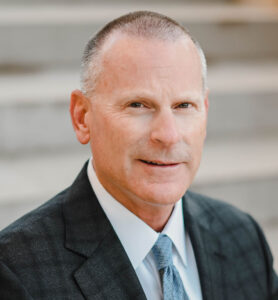
MHA CEO Brian Peters

MHA in the News

Detroit’s WJR 760 AM interviewed MHA CEO Brian Peters Sept. 22 for a segment on healthcare as part of “The Capital Report,” a new show focused on exploring issues happening within state politics and Michigan’s …

CE Credits Available for Health Equity Regulatory Requirements Webinar

The MHA and the MHA Keystone Center are hosting an educational webinar from 8:30 to 9:30 a.m. Oct. 10 about the current and future state of regulatory and accrediting health equity requirements from the Centers for Medicare & Medicaid (CMS) and The Joint Commission (TJC). 

Leading the discussion is Julia Finken, senior vice president for accreditation and regulatory compliance for Patton Healthcare Consulting and Barrins & Associates. With more than 25 years of healthcare expertise and nearly two decades at TJC, Finken will also walk members through the MHA Keystone Center’s Guide and Action Plan to Integrating CMS and TJC Health Equity and Health Disparities Requirements and its online learning module series. These resources were created to provide actionable strategies for implementing compliant health equity programming in an acute care setting.

At the conclusion of this activity, participants should be able to:

  • Explain priority areas across the CMS and TJC requirements.
  • Summarize compliance expectations for these new regulations.
  • Outline future health equity priorities and expectations from CMS and TJC.
  • Demonstrate how the MHA Keystone Center’s tools can assist hospitals and health systems with creating actionable strategies for advancing health equity that meet regulatory and accreditation requirements.

The webinar is eligible for nursing and social worker continuing education credits. 

Registration for the webinar is free of charge to MHA members thanks to the generosity of Alliance-HNI Health Care Services, an associate member of the MHA.

Members with questions about registration should contact the MHA Keystone Center.

MHA Monday Report Sept. 23, 2024

Speak up awardMcLaren Port Huron Nurse Receives MHA Keystone Center Speak-up! Award
The MHA Keystone Center celebrated Melissa Burgess, RN at McLaren Port Huron Hospital as its quarterly MHA Keystone Center Speak-up! Award recipient in September. The quarterly MHA Keystone Center Speak-up! …


Final Rules Strengthen Access to Mental Health, Substance Use Disorder Benefits

The United States Departments of Labor, Health and Human Services and the Treasury issued a set of final rules Sept. 9 on the Mental Health Parity and Addiction Equity Act of 2008. The rulings …


Upcoming MDHHS Maternal Health Offerings

The Michigan Department of Health and Human Services (MDHHS) Division of Maternal and Infant Health is partnering with the Michigan Perinatal Quality Collaborative yo offer its Statewide Maternal and Infant Health Data Meeting from 4 to 6 …


Latest AHA Trustee Insights Explores AI in Healthcare, Workplace Equity and Community Partnerships

The September edition of Trustee Insights, a monthly digital package from the American Hospital Association (AHA), outlines how artificial intelligence (AI) will change healthcare operations and how trustees can provide meaningful leadership and guidance. The issue …


Keckley Report

The Four Core Beliefs of Hospital-Employed Physicians

“In my report June 10, I wrote: “The major sources of physician discontent are administrative hassles and unwelcome clinical oversight that create dissonance. They conflict with a false sense of autonomy that the majority of physicians imagined when choosing medicine. Cuts to reimbursement, participation in alternative payment models and medical inflation are manifestations of a system in which ‘suits’ are intruders who make rules, exact handsome salaries, generate corporate profits and distance physicians from patient care purposely… “

This assessment remains true today. Discontent among physicians is palpable and it’s magnified by a growing sense of financial despair among many clinicians. And it poses a unique challenge to hospitals that now employ more than half of America’s physician workforce. …

The core beliefs held by employed physicians about their hospitals may not be fair, objective or accurate, but they’re no less deeply felt and impactful. Hospital boards and C suite leaders would be well-served to refresh plans accordingly.”

Paul Keckley, Sept. 16, 2024


Laura AppelMHA in the News

The MHA received media coverage the week of Sept. 16 regarding Michigan healthcare careers and what’s next for digital health. Second Wave Michigan published a story Sept. 17 on healthcare careers and the existing healthcare …


McLaren Port Huron Nurse Receives Q2 MHA Keystone Center Speak-up! Award

speak up
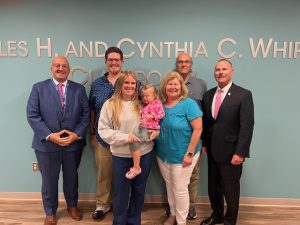
Melissa Burgess, RN at McLaren Port Huron Hospital pictured with her family, McLaren leadership and MHA CEO Brian Peters.

The Michigan Health & Hospital Association (MHA) Keystone Center celebrated Melissa Burgess, RN at McLaren Port Huron Hospital as its quarterly MHA Keystone Center Speak-up! Award recipient in September.

The quarterly MHA Keystone Center Speak-up! Award celebrates individuals or teams in Michigan hospitals demonstrating a commitment to the prevention of patient or staff harm.

Burgess was recognized for her swift intervention for a behavioral health patient. Working closely with the patient, she noticed a status change that prompted her to consult additional team members. Following a reevaluation, the patient was able to be provided with the adequate level of enhanced care they required.

“Melissa’s action is a direct reflection of her dedication to her patients and the trusted care we deliver to our community,” said McLaren Port Huron President and CEO Eric Cecava. “The level of her commitment is inspiring to our organization and empowering to her fellow caregivers, and we are grateful and proud to have her as an influential member of our team.”

Additional award finalists for the second quarter of 2024 include:

  • Tim Carew, Bronson Healthcare
  • Tiffany Holloway, Trinity Health Livonia Hospital
  • Jessica Winkelman, Corewell Health Dearborn Hospital

“We feel honored to celebrate alongside healthcare workers like Melissa who advocate for their patients every day in Michigan hospitals,” said MHA CEO Brian Peters. “Her decisive action demonstrates her commitment to her patient’s well-being and McLaren’s dedication to promoting a safety culture.”

More information about the MHA Keystone Center Speak-up! Award, including criteria and a nomination form, are available online.

Oct. 10 Webinar to Explore Health Equity Regulatory Requirements

The MHA and the MHA Keystone Center are hosting an educational webinar from 8:30 to 9:30 a.m. Oct. 10 about the current and future state of regulatory and accrediting health equity requirements from the Centers for Medicare & Medicaid (CMS) and The Joint Commission (TJC).

Leading the discussion is Julia Finken, senior vice president for accreditation and regulatory compliance for Patton Healthcare Consulting and Barrins & Associates. With more than 25 years of healthcare expertise and nearly two decades at TJC, Finken will also walk members through the MHA Keystone Center’s Guide and Action Plan to Integrating CMS and TJC Health Equity and Health Disparities Requirements and its online learning module series. These resources were created to provide actionable strategies for implementing compliant health equity programming in an acute care setting.

At the conclusion of this activity, participants should be able to:

  • Explain priority areas across the CMS and TJC requirements.
  • Summarize compliance expectations for these new regulations.
  • Outline future health equity priorities and expectations from CMS and TJC.
  • Demonstrate how the MHA Keystone Center’s tools can assist hospitals and health systems with creating actionable strategies for advancing health equity that meet regulatory and accreditation requirements.

This webinar is free of charge to MHA members thanks to the generosity of Alliance-HNI Health Care Services, an associate member of the MHA.

Members with questions about registration should contact the MHA Keystone Center.

Peters Featured in Becker’s on Elevating Patient Care

MHA CEO Brian Peters

Becker’s Hospital Review published an article Sept. 3 that provides responses from 87 healthcare executives sharing their ideas on ways to boost the patient experience.

MHA CEO Brian Peters provided a response, mentioning the MHA Keystone Center’s work on Person- and Family-Centered Care.

“The MHA Keystone Center, our quality and safety improvement arm with a 20-year history, contributes to a better patient experience in all of our member hospitals through a number of initiatives,” said Peters. “In particular, we have led a very robust effort on Person- and Family-Centered Care (PFCC), focused on putting the patient and their caregiver at the center of all decision-making, planning and monitoring of care. We developed and promoted a Roadmap to Person and Family Engagement which provides standardized definitions, policies and practices designed to serve as a resource for healthcare staff and leaders looking to develop or improve PFCC across their organization.”

Members with any questions regarding media requests should contact John Karasinski at the MHA.

Registration Open for Safe Table on Just Culture

The MHA Keystone Center Patient Safety Organization (PSO) is hosting a Just Culture Safe Table from 12:00 to 4 p.m., Thursday, Sept. 19 at the MHA headquarters in Okemos, MI. The peer-led discussion about Just Culture best practices will be facilitated by Trinity Health.

At the end of the discussion, participants will be able to:

  • Describe the tenets of a Just Culture.
  • Articulate the rationale for a replicable system of workplace justice across all values.
  • Appreciate the change management process that yields a Just Culture.
  • Learn about processes and desirable outcomes from peers and individuals who lead and benefit from a Just Culture.

Chief quality officers, chief safety officers, chief nursing officers, vice presidents of quality, safety, and risk, vice presidents of clinical transformation, nursing leaders, directors of quality improvement and safety improvement, senior administrative and clinical leaders, board members, frontline managers and human resource professionals are encouraged to register.

Registration for the safe table is free of charge for MHA Keystone Center PSO members and includes lunch beforehand at 11:30 a.m.

Nursing and risk management credits are being pursued.

Members with questions may contact the MHA Keystone Center.

About MHA Keystone Center Safe Tables

Safe tables allow hospitals to share ideas with peers, engage in meaningful discussions and obtain advice to make improvements to reduce or eliminate harm. These events are unique in that they offer a legally protected, confidential environment for discussion around sensitive topics.

MHA CEO Report — Adding Value for Hospitals

MHA Rounds graphic of Brian Peters

“Our favorite holding period is forever.” Warren Buffett

I discussed last month how the MHA continues to create highly successful and impactful outcomes for our members through our outstanding advocacy in the public policy arena, at both the state and federal levels. This has long been a hallmark of the MHA, as we have established ourselves as a trusted, credible and powerful leader in Lansing and in Washington, DC.

I am forever mindful of the old business axiom, “If all you have is a hammer, everything starts to look like a nail.” I have always believed the very strongest associations are able to carry a full toolbox to the worksite, to tackle complex challenges in multiple ways. The reality is that there are certain issues that don’t lend themselves – either partially or fully – to a solution that emanates from the halls of the legislature, the executive branch or the courts. The historic work of the MHA Keystone Center, which has created positive, life-saving changes through voluntary improvements in hospital-based safety and quality, is one perfect example of this philosophy at work. I would like to shine a light this month on the impactful work of the MHA Service Corporation, which houses several in-house service lines, as well as partnership offerings.

Unemployment claims cost hospitals significant time and money – the MHA Unemployment Compensation Program (UCP) successfully eliminates that burden for Michigan hospitals and over 700 clients throughout the United States. The UCP has processed thousands of unemployment claims, saving clients millions of dollars every year since 1972. The MHA UCP was also recognized in 2024 by the National Association of State Workforce Agencies (NASWA) for the MHA UCP’s commitment to utilizing the NASWA’s nationwide, web-based system for receiving new claims and responding to state unemployment agencies. This national recognition affirms the MHA UCP’s dedicated work to reduce unemployment liability for its clients, decrease unemployment fraud and prevent waste with state unemployment agencies.

Similarly, the MHA Data Services division has been serving Michigan hospitals since 1975, and now has more than 500 healthcare entities nationwide using our products to formulate market strategies, track community benefits and improve care quality. The State of Michigan, academic researchers and others also rely on the robust data contained in our Michigan inpatient and outpatient databases.

The MHA Graphic Design & Print Services division provides services to Michigan hospitals, as well as large and small clients throughout Michigan. Even our state’s two largest universities – the University of Michigan and Michigan State University – are long-time clients. With state-of-the-art equipment and highly skilled professionals on staff, we are able to consistently provide superior customer service, fast turnaround, competitive pricing and a high quality product.

Finally, the most recent offering in our portfolio is the MHA Endorsed Business Partner program. The MHA meticulously vets all partners to ensure they meet best-in-class quality standards, and that they have an established track record demonstrating their capability and trustworthiness. Among our current Endorsed Business Partners are firms specializing in workforce solutions, revenue cycle management, cybersecurity, behavioral health, supply chain and more.

For nearly the last decade, we have had a dedicated governing board overseeing the operations of the MHA Service Corporation, ensuring that all our current and future programs are on point. I would like to thank our current MHASC Board Chair Kent Riddle, CEO of Mary Free Bed Rehabilitation Hospital, for his tremendous leadership.

All these offerings have three things in common. First, they add tangible, direct value to our member hospitals and other clients. Second, they create revenue streams for the association that support our critical functions and moderate the need for membership dues increases. Lastly, consistent with our corporate culture that has intentionally focused on building, fostering and maintaining genuine, trusting relationships with our members, lawmakers, the media and others in the public policy arena, the same philosophy holds true here. As Warren Buffet has famously articulated, we are not in business for quick gains. We are here for the long haul.

As always, I welcome your thoughts.