Virtual Training Offered Feb. 26 for FY 2022 Medicaid DSH Audit

Myers and Stauffer LC, Michigan’s contractor for the federally mandated Medicaid disproportionate share hospitals (DSH) audits, encourages hospital staff to register and participate in the upcoming Michigan-specific virtual training at 1:30 p.m. Feb. 26.

MHA members can view a pre-recorded general DSH training prior to the webinar. The pre-recorded training covers general DSH survey instructions and updates, while the Feb. 26 session will focus on Michigan-specific requirements, followed by a question-and-answer session.

Myers and Stauffer tentatively planned to distribute the initial fiscal year (FY) 2022 data request to hospitals Feb. 21, with hospitals having until March 21 to return the completed survey. All hospitals that received Medicaid DSH payments for FY 2022 are required to participate in the audit.  The MHA will share the recording and materials following the Feb. 26 webinar.

Members with questions should contact Vickie Kunz at the MHA.

Peters Pens Medicaid Detroit News Op-ed

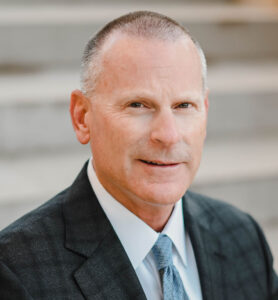
MHA CEO Brian Peters

The Detroit News published an op-ed Feb. 19 from MHA CEO Brian Peters expressing the importance of protecting the Medicaid program from any potential federal funding cuts.

Peters highlighted the high number of people supported by Medicaid, the value of the Healthy Michigan Plan and the harm cuts would have on healthcare providers, particularly in rural Michigan.

“Medicaid expansion under the ACA has saved lives, kept hospitals open and improved the overall well-being of countless individuals,” said Peters. “As the CEO of the Michigan Health & Hospital Association, I know firsthand what Medicaid cuts would do to hospitals, essential services, Michigan’s healthcare industry and the economy as a whole.”

Members with any questions regarding media requests should contact John Karasinski at the MHA.

Executive Budget Recommendation Maintains Health of Michigan Hospitals

The following statement can be attributed to Brian Peters, CEO of the Michigan Health & Hospital Association.

MHA CEO Brian PetersState funding is critical to the health and viability of Michigan hospitals and their patients. This budget presented by the Whitmer administration today maintains stability for healthcare providers across Michigan. We appreciate the continued protection of funding pools that preserve access to care for Michiganders, whether they require obstetrical services, care at rural and critical access hospitals or coverage from the Healthy Michigan Plan and Michigan’s Medicaid health plans. We are also encouraged to see continued attention towards issues that impact Michigan’s talent pipeline and remove barriers towards pursuing healthcare careers.

Healthcare touches us all, regardless of political affiliation, and we look forward to working with lawmakers from both sides of the aisle during the budget process to make sure Michiganders, their communities and healthcare providers receive the funding support they need.

Medicare and Medicaid Enrollment Update

The MHA updated its analysis of Medicaid and Medicare enrollment based on December 2024 data. The analysis includes program enrollment as a percentage of each county’s total population and the split between fee-for-service (FFS) and managed care organization (MCO). Just over 27% of Michigan’s total population is enrolled in Medicaid and 22% is enrolled in Medicare.

Roughly two-thirds of Michigan’s 2.66 million Medicaid beneficiaries are enrolled in one of nine managed care plans.

Total Medicare enrollment is 2.25 million, with 62% of beneficiaries enrolled in a Medicaid Advantage (MA) plan and only three counties having less than 50% of total Medicare enrollment in MA plans. MA enrollment by county ranges from 45% to 77%, with 66 counties having 55% or more of their Medicare population enrolled in an MA plan, as highlighted below.

December enrollment is spread across 54 MA plans, with up to 29 plans covering beneficiaries in several Michigan counties and a minimum of 5 plans available in each county.

Members with enrollment questions should contact the MHA Health Finance team.

MDHHS Introduces SUD Program Enhancements and New Mapping Tool

The Michigan Department of Health and Human Services (MDHHS) recently developed improvements to current substance use disorder (SUD) programs and a new SUD mapping tool to identify SUD treatment service locations throughout the state, with the goal to increase SUD treatment access for Michigan residents.

The new SUD mapping tool allows users to search for SUD treatment and recovery facilities by ZIP code, city or county. The tool outlines each location’s services, specifying if treatment is inpatient or outpatient, whether medication-assisted treatment is available and if Medicaid is accepted.

Improvements to Health Home services for SUD have also been implemented. Opioid Health Homes have been changed to SUD Health Homes to broaden access. MDHHS also added the Alcohol Use Disorder and Stimulant Use Disorder as diagnoses to broaden service eligibility.

MDHHS released a proposed policy Nov. 19 to increase the payment rate for the administration of methadone to at least $19.00 per unit, as well as increase access to related services for Medicaid beneficiaries. The funds to support this increase come from the state general fund that is federally matched.

Members with questions may contact Lauren LaPine at the MHA.

A Healthier Future: Improving Access for Immigrant Families in Michigan

Byline: Lenise Freeman, Government Relations and Public Policy Fellow

Accessing healthcare can be a daunting experience for anyone, but it poses unique challenges for immigrants and refugees. I recently participated in a breakout session at the Michigan Association for Local Public Health (MALPH) Conference held in Muskegon, Michigan, where we explored the challenges immigrant communities face in accessing healthcare. As a first-generation daughter of an immigrant, I know firsthand the barriers my mother faced while navigating the English language in healthcare settings. I often found myself translating medical jargon and filling out forms to ensure she received the care she needed. Hearing similar stories from others at the conference reinforced my commitment to advocate for better support for these individuals.

Insights from the immigrant health needs assessment conducted by the Washtenaw County Health Department reveal key challenges that immigrants and refugees face. Language barriers stand out as one of the most significant obstacles. Many struggle with English, making it hard to understand medical terms and navigate the healthcare system. One participant shared their experience as the only English speaker in their family, responsible for translating sensitive medical information. This scenario is common, underscoring the need for better communication support.

Beyond language challenges, the complexities of the U.S. healthcare system create additional barriers to access. Immigrants may be unfamiliar with fundamental concepts like making appointments or understanding insurance options. This is particularly concerning for immigrant children and pregnant individuals, who are often at greater risk of being uninsured. Legislation like House Bill (HB) 4740 aims to address this issue by suspending the five-year waiting period for immigrant children and pregnant individuals to eligible for Medicaid or the MI Child program. This bill would extend coverage to children up to 21 years of age and pregnant individuals, regardless of their length of residence in the United States. This is a critical step in ensuring these populations receive the healthcare they need, especially in maternal and infant health.

Cultural differences also complicate matters, as traditional healthcare practices may differ from what is available in the U.S. For instance, some cultures may have stigmas surrounding mental health, deterring individuals from seeking necessary help. Additionally, a lack of access to healthy food and unfamiliarity with resources like food assistance programs can adversely impact overall well-being.

To foster a better healthcare community, improving training programs is essential. Hospitals should implement cultural competency training for their staff, equipping them with the skills to understand and respect different practices and beliefs. This training can help alleviate fears among immigrants and refugees about accessing services, particularly in maternal and infant health. Partnering with individuals from immigrant and refugee communities to serve as liaisons or community health workers can further enhance inclusivity. These trusted individuals can bridge communication gaps and build trust, encouraging community members to seek the care they need without fear or hesitation.

The findings from the Washtenaw County Health Department’s immigrant health needs assessment reveal pressing challenges that require our immediate attention. Language barriers and unfamiliarity with the U.S. healthcare system pose significant risks for immigrants and refugees, often preventing them from accessing essential care. That’s why I encourage healthcare providers to prioritize cultural competency training, which helps ensure immigrant children and pregnant individuals have the insurance access they deserve.

I firmly believe everyone deserves the same access to medical care, regardless of their background or language proficiency. It’s crucial to amplify the voices of those who often go unheard, ensuring their needs are recognized and addressed within our healthcare system.


MHA Monday Report Oct. 7, 2024

MHA Participates in Southwest Michigan Behavioral Health Healthcare Policy Forum
Southwest Michigan Behavioral Health hosted Oct. 4 the ninth annual regional healthcare policy forum in Kalamazoo. Moderated by Dr. Colleen Allen, CEO, Autism Alliance of Michigan, the forum focused on the theme of “Working Together” …


MHA Webinar Explores How Boards and Leaders Can Deploy AI Responsibly and Ethically

The MHA is hosting the webinar How Boards and Leaders Can Deploy AI Responsibly and Ethically, scheduled 4:30 – 6 p.m. ET Dec. 3 which features respected healthcare leaders in artificial intelligence (AI), healthcare operations …


Fall MI AIM Regional Training Events

The Michigan Alliance for Innovation on Maternal Health (MI AIM) is offering training events across Michigan for inpatient maternal healthcare providers. The events, scheduled from late October to November, will focus on using quality improvement …


MDHHS Releases Medicaid Doula Services Proposed Policy

The Michigan Department of Health and Human Services (MDHHS) recently released a proposed policy updating Medicaid coverage for doula services, effective Oct. 1, 2024. Key updates include increasing the number of covered doula visits to …


MHA Highlights Behavioral Health Priorities at Michigan Children and Families Summit

Lauren LaPine, senior director, legislative and public policy, MHA, participated in a discussion Oct. 3 in Grand Rapids during the Michigan Children and Families Summit hosted by the Steelcase Foundation. The summit explored the results …


MHA Race of the Week – U.S. Senate

The MHA’s Race of the Week series highlights the most pivotal statewide races for the 2024 General Election. The series will provide hospitals and healthcare advocates with the resources they …


MHA Rounds graphic of Brian PetersMHA CEO Report — Protecting Access to Care Through 340B

Protecting access to high quality, affordable healthcare for all Michiganders is a key tenet of the MHA. Stated simply, the 340B drug pricing program, created by Congress in 1992, is absolutely crucial to our member …


Keckley Report

Tax Exemptions for Not-for-Profit Hospitals: Are they Worth it?

It’s a question lots of folks inside and outside of healthcare are asking these days. …

The JAMA study did not focus on a ratio; instead, it focused on quantifying the amount of state and local exemptions that should be considered by policymakers in addition to their federal exemptions.  Notably, this study quantifies wide variation in which hospitals benefit most when local, state and federal exemptions are included and proposes that policies around NFP hospital tax exemptions be delegated in part to state and local determinations (as is already the case in at least 3 states). …

The Boards and leaders in each not-for-profit hospitals must account for the tax exemptions they currently enjoy and anticipate changes that limit them in the future. These studies point clearly to that inevitability. And each must answer this question for their organization objectively: are our tax exemptions truly worth it to the communities we serve, or simply a financial maneuver to use our money elsewhere?

Paul Keckley, Sept. 30, 2024


News to Know

Members looking to support hospitals impacted by Hurricane Helene can contribute to relief efforts through the North Carolina Disaster Relief Fund and the Tennessee Hospital Association Disaster Relief Fund.

MDHHS Releases Medicaid Doula Services Proposed Policy

The Michigan Department of Health and Human Services (MDHHS) recently released a proposed policy updating Medicaid coverage for doula services, effective Oct. 1, 2024. Key updates include increasing the number of covered doula visits to 12 per pregnancy, raising reimbursement rates to $1,500 for labor and delivery support and $100 per prenatal and postpartum visit. Additionally, beneficiaries may qualify for up to six extra visits if more support is needed, based on criteria such as promoting health literacy, emotional support, addressing social determinants of health and more.

These changes aim to improve maternal and infant outcomes, support birth equity and reduce disparities. Doulas provide essential emotional, physical and educational support during pregnancy, leading to better birth outcomes.

Members are encouraged to review and provide feedback on the proposed changes to Kimberly Lorick at LorickK1@michigan.gov. Comments must be submitted by Oct. 31, 2024.

Members with questions may contact Lauren LaPine at the MHA.

Michigan Doula Advisory Council Membership Application Opens

The Michigan Doula Advisory Council (DAC) invites doulas across the state to apply for membership as its first council term ends in Dec. 2024. The DAC works to improve doula services in Michigan, particularly with the new Medicaid doula reimbursement policy, and features a diverse group of doulas from various communities and settings.

Doulas interested in the DAC are encouraged to submit an application by Sept. 23, 2024 to MDHHS-MIDoula@michigan.gov. Although not required, submitting a resume or cover letter is encouraged. New members will start a two-year term in January 2025. For more details, members may refer to the Doula Advisory Membership Guidelines.

Members with questions may contact Lauren LaPine at the MHA.

MHA Monday Report Sept. 9, 2024

MHA Updates Medicaid and Medicare Enrollment Analysis

The MHA updated its analysis of Medicaid and Medicare enrollment to reflect July 2024 data. The analysis now includes program enrollment as a percentage of each county’s total population and the split between fee-for-service and …


Oct 10 Webinar to Explore Health Equity Regulatory Requirements

The MHA and the MHA Keystone Center is hosting an educational webinar from 8:30 to 9:30 a.m. Oct 10 about the current and future state of regulatory and accrediting health equity requirements from the Centers …


Deadline Extended for Michigan Reconnect Scholarship Program

The Department of Lifelong Education, Advancement, and Potential extended its deadline to enroll in the Michigan Reconnect scholarship program. Those interested now have until Dec. 31, 2024 to apply. Michigan Reconnect is a program …


Learn More About Munson Healthcare’s Ask-A-Nurse Program

The MHA released a new episode of the MiCare Champion Cast focused on Munson Healthcare’s innovative Ask-A-Nurse program. The free, 24/7 call center is staffed year-round by registered nurses and offers easy access to health-related …


MHA Rounds graphic of Brian PetersMHA CEO Report — Site-Neutral Payment Policies: The Latest Threat to Patient Access

Operating a hospital has never been more challenging than it is today. At the most fundamental level, hospitals are small towns that operate 24/7, year-round, built around expert clinicians, as well as a wide variety …


Keckley Report

The Four Questions Healthcare Boards must Answer

“In 63 days, Americans will know the composition of the 119th Congress and the new occupants of the White House and 11 Governor’s mansions. We’ll learn results of referenda in 10 states about abortion rights (AZ, CO, FL, MD, MO, MT, NE, NV, NY, SD) and see how insurance coverage for infertility (IVF therapy) fares as Californians vote on SB 729. But what we will not learn is the future of the U.S. health system at a critical time of uncertainty. …

For Boards of U.S. healthcare organizations, the imperative for transformational change is urgent: the future of the U.S. system is not a repeat of its past. But most Boards fail to analyze the future and construct future-state scenarios systematically. Lessons from other industries are instructive. …

Until and unless healthcare leaders recognize the imperative for transformational change, the system will calcify its victim-mindset and each sector will fend for itself with diminishing results. No sector—hospitals, insurers, drug companies, physicians—has all the answers and every sector faces enormous headwinds. Perhaps it’s time for a cross-sector coalition to step up with transformational change as the goal and the public’s well-being the moral compass.”

Paul Keckley, Sept. 3, 2024


MHA CEO Brian Peters

MHA in the News

Becker’s Hospital Review published an article Sept. 3 that provides responses from 87 healthcare executives sharing their ideas on ways to boost the patient experience. MHA CEO Brian Peters provided a response, mentioning the MHA …