DIFS Releases Bulletin Protecting COVID-19 Vaccinations

The Michigan Department of Insurance and Financial Services (DIFS) issued a bulletin on Oct. 16 advising health insurers in the individual and small group markets to continue covering COVID-19 vaccinations without cost-sharing.

The bulletin was released in accordance with Gov. Whitmer’s Executive Directive 2025-7. The executive directive instructs the Michigan Department of Health and Human Services, DIFS and the Michigan Department of Licensing and Regulatory Affairs to work collaboratively to ensure COVID-19 vaccines are available to all Michiganders.

The DIFS bulletin states that under existing state law, all insurers in the individual and small group market must cover immunizations recommended by the federal Advisory Committee on Immunization Practices (ACIP). The ACIP continues to recommend the COVID-19 vaccine as of Oct. 16.

Members with questions regarding the bulletin should contact Megan Blue at the MHA.

Investing in Rural Hospitals Means Investing in Rural Michigan

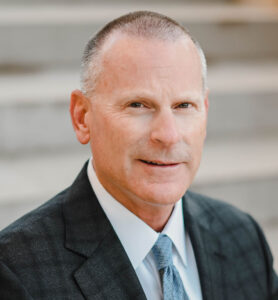
By Jeremiah Hodshire, President & CEO of Hillsdale Hospital

When the One Big Beautiful Bill Act was signed into law in July, it created the Rural Health Transformation Program, a five-year, $50 billion investment in rural healthcare. The MHA Board of Trustees took swift action empowering an MHA board-appointed task force charged with creating recommendations that the Michigan Department of Health & Human Services (MDHHS) could use when submitting the one-time application for funding.

I’ve had the pleasure of chairing the task force and working alongside my colleagues Tonya Darner, UP Health System; Karen Cheeseman, Mackinac Straits Health System; Dr. Ross Ramsey, Schuerer Health; Michael Rose, MyMichigan Health; and Peter Marinoff, Munson Healthcare. This process has been collaborative and informed by other rural hospital leaders across the state through the Rural CEO Town Hall the MHA hosted in late September. I am also deeply indebted to the MHA staff, specifically the driving force behind keeping our committee on task, Lauren LaPine-Ray, who has served as an outstanding ambassador, facilitator, researcher and connector as we navigate the federal guidelines! A few key themes emerged through this process and informed the recommendations shared with MDHHS.

When I look out across our community, I see the same faces that fill our hospital’s halls — farmers, teachers, small business owners and families who trust us to care for them when it matters most. Yet every year, it becomes harder to keep our doors open. Recruiting and retaining obstetricians, gynecologists, social workers, psychologists and primary care physicians has turned into an uphill push. Technology that could connect us to specialists hundreds of miles away remains out of reach due to inadequate broadband and out-of-date electronic medical records platforms. And the gap between what it costs to provide care and what we’re paid to deliver it keeps widening. That’s why the Centers for Medicare & Medicaid Services’ Rural Health Transformation Program matters so much right now. This new federal funding opportunity isn’t just a policy line item — it’s a lifeline. But for Michigan’s small and rural hospitals, it will only make a difference if the dollars actually reach us, the people on the ground.

Our Greatest Need: People

Every rural hospital leader will tell you the same story: we can’t hire fast enough to replace those who’ve left. Nearly 70% of Michigan hospitals report difficulty filling clinical vacancies and rural areas face the longest recruitment times in the state. Nursing wages in large systems have soared, while young physicians are drawn to urban centers where they can earn more and work less on call. Meanwhile, small hospitals like ours are paying bonuses we can’t afford just to keep labor and delivery open or to cover an emergency room shift. The costs to maintain OB/GYNs in rural areas are significant.

If the Rural Health Transformation funds are truly meant to “right-size” care delivery, they must start with stabilizing the workforce that keeps that system running. Rural hospitals should be able to use these funds for loan repayment programs, housing stipends and retention bonuses that reflect the realities of rural practice. Without people, no transformation is possible.

Technology Should Connect, not Divide

Michigan’s rural hospitals have led the way in adopting telehealth, but we are still too often left behind. Broadband is patchy and many of our systems don’t integrate with the larger hospitals where we refer patients. CMS should allow states to dedicate transformation dollars toward technology innovation — helping rural providers invest in electronic health record interoperability, remote patient monitoring and telepsychiatry tools that expand access without expanding costs. When technology works across the system, it saves time, reduces burnout and lets us keep more care local.

Payment Equity Must be Part of Transformation

Even before inflation and staffing shortages, the math didn’t add up. Rural hospitals serve older, sicker populations and depend heavily on Medicare and Medicaid. The number of births occurring in rural hospitals continues to decline, making the ability to cover costs and provide critical care even more challenging. When reimbursement rates don’t cover the cost of care, rural hospitals can’t sustain basic services like obstetrics or behavioral health. Between 2010 and 2023, 11 rural hospitals in Michigan closed or stopped providing inpatient services. Rural Transformation funds should explicitly support provider payments and shared-savings models to ensure critical healthcare access in rural areas is maintained. If rural hospitals can’t afford to pay their doctors and nurses, innovation will stall before it starts.

The Stakes for Michigan

More than 60% of Michigan’s counties are considered rural, with nearly 30 hospitals serving as the only point of care for miles. Every time one closes, an entire region loses not just its emergency room, but also its largest employer and a key part of its safety net. The Michigan Senate Fiscal Agency recently reported nearly 22% of Michigan counties are considered maternity deserts. Michigan needs true investments in rural healthcare to reverse these trends — but only if the funds flow to where they can have the greatest impact: rural hospitals themselves.

These dollars should not get lost in bureaucracy or redirected to administrative projects. They should go toward the people and places that make healthcare possible: our workforce, our technology and our providers.

If we want to build a stronger, more equitable Michigan, we must start by keeping care local, and that begins with investing in the hospitals that keep our communities alive.

MDHHS Introduces New Provider Updates Under Michigan’s Mental Health Framework

The Michigan Department of Health and Human Services (MDHHS) recently introduced new requirements under the state’s Mental Health Framework to strengthen assessments, referrals and care coordination for Medicaid enrollees. These changes take effect beginning October 2025.

Standardized Referrals

The MDHHS will launch a standardized mental health referrals policy, which will be phased in during fiscal year (FY) 2026, aiming to ensure timely and consistent referrals across Medicaid Health Plans (MHPs) and Prepaid Inpatient Health Plans (PIHPs).

Key elements include:

  • A single referral form and process across providers and plans.
  • Use of the CareConnect360 (CC360) referrals module for tracking and information sharing across MHPs, PIHPs and Community Mental Health Services Programs (CMHSPs).
  • Proactive monitoring of referrals by MHPs.

Initially, MHPs, PIHPs and CMHSPs will participate in the new referral process. Providers contracted with MHPs but not part of a CMHSP will not be required to participate immediately.

Standardized Assessments

Qualified mental health providers whose scope includes assessment of mental health needs will be required to use standardized tools:

  • MichiCANS: for children and youth under age 21.
  • LOCUS: for adults 21 and older.

Training will continue throughout FY 2026, and providers will not lose reimbursement while completing training.

  • MichiCANS: Requires completion of both TCOM Orientation and MichiCANS Overview trainings. Additional sessions are available through December 2025. Providers are encouraged to register.
  • LOCUS: Registration will open once training resources are available. Providers may sign up through a survey to receive updates.

Members may reference two new resources, which include comparison rates and a frequently asked questions document on the Mental Health Framework webpage.

Members with questions may contact Lenise Freeman at the MHA.

State’s Chief Medical Executive Issues Standing Recommendation for COVID-19 Vaccine Access

Michigan’s Chief Medical Executive, Dr. Natasha Bagdasarian, issued a Standing Recommendation on Sept. 19 that expands eligibility for COVID-19 vaccines, ensuring access for all residents six months and older.

The recommendation follows Executive Directive 2025-7 from Governor Gretchen Whitmer, which requires state agencies to ensure broad access to Covid-19 vaccines. Gov. Whitmer calls on the Michigan Department of Health and human Services (MDHHS) and other state agencies to:

  • Issue clear guidance on vaccine safety and efficacy.
  • Encourage prescribing and administering COVID-19 vaccines to eligible populations
  • Identify and remove obstacles to ensure vaccines remain widely available across Michigan.

Under federal approval, the U.S. Food and Drug Administration (FDA) authorized the 2025-2026 COVID-19 vaccines for individuals 65 and older, and those ages 5-64 with at least one underlying condition that puts them at a higher risk. However, the FDQ did not define qualifying conditions. The Centers for Disease Control and Prevention (CDC) maintains a non-exhaustive list, including obesity and physical inactivity, but warns against excluding people from access.

Dr. Bagdasarian’s order clarifies that anyone six months or older who has not received a 2025-2026 vaccine dose may be considered to have a qualifying condition and is therefore eligible for vaccination.

The MDHHS continues to recommend vaccination in alignment with federal and medical guidelines. MDHHS is also working with the Department of Insurance and Financial Services and the Department of Licensing and Regulatory Affairs to ensure vaccines remain widely available and covered by insurance.

In addition, the Michigan chapter of the American College of Physicians (MI-ACP) and MDHHS hosted a joint webinar, “From Policy to Practice: What Internists Need to Know About the Latest Vaccine Recommendations,” on Sept. 11. Dr. Bagdasarian and Dr. Romesh Nalliah, associate dean for patient services at the University of Michigan School of Dentistry, presented to internal medicine physicians on COVID-19 vaccine guidance, potential changes to insurance coverage and availability.

Providers are encouraged to continue emphasizing the safety and effectiveness of vaccines to their patients and communities.  

Members with questions regarding this webinar or vaccine policy should contact the policy team at the MHA.

ACP and MDHHS to Host Vaccine Policy and Practice Webinar

The American College of Physicians (ACP), in collaboration with the Michigan Department of Health and Human Services (MDHHS), will host the public health webinar, From Policy to Practice: What Internists Need to Know About the Latest Vaccines Recommendations, at noon ET Sept. 11, 2025.

The session will provide insights into Michigan’s vaccination landscape. Attendees will also hear about strategies to boost coverage, along with updates on national advocacy, new legislation and regulatory changes that directly impact physicians and their patients.

Members are encouraged to register.

Members with questions may contact the health & data policy department at the MHA.

MDHHS Updates Mental Health Framework Webpage

The Michigan Department of Health and Human Services (MDHHS) has updated its Mental Health Framework (MHF) webpage with new resources for providers.

Recordings and slide decks from the MHF 101 webinar, the MichiCANS Screener and LOCUS All Provider Draft Rate Meeting 101 webinar are now available. These sessions provide background and technical updates to support provider engagement within the framework.

The webpage now includes expanded information on standardized assessment trainings. Providers can access details and instructions for registering for upcoming MichiCANS trainings. While LOCUS training is not yet available, the MDHHS will share additional updates once those sessions are avaliable.

Providers are encouraged to visit the MDHHS Mental Health Framework webpage regularly for the most up-to-date information and resources.

Members with questions may contact Lenise Freeman at the MHA.

Media Recap: Medicaid and Healthcare Costs

The MHA received media coverage during the week of Aug. 18 that continued to focus on the impact the One Big Beautiful Bill Act (OBBBA) will have on Medicaid as well as comments related to the impact hospital consolidations have on healthcare access.

Gongwer published a story Aug. 20 on the impact hospital consolidations have on healthcare costs and access to care for employees. MHA CEO Brian Peters was quoted in the article disputing the claim that hospitals are profiteers.

“Bashing community hospitals and the 220,000 hospital workers who show up every day of the year to care for Michigan patients is misguided and inflammatory,” said Peters. “Hospitals are focused on providing safe, high-quality, affordable care in every community they serve.”

NPR also published a story following an interview with Peters regarding the impact the OBBBA and new work requirements will have on healthcare in Michigan.

“The state of Michigan Department of Health and Human Services has estimated that as many as 700,000 Michiganders could lose coverage because of the reconciliation bill,” said Peters.

The new work requirements will necessitate that hundreds of thousands of enrollees document their eligibility every six months. Peters noted in the interview that there’s no evidence of widespread waste and abuse in the state’s Medicaid program.

“When you look at the Medicaid population here in the state of Michigan, we know that almost all of those folks are working and working full time,” said Peters.

Members with any questions regarding media requests should contact John Karasinski at the MHA.

MDHHS to Discuss 2026 Draft Rates for MichiCANS and LOCUS Assessments

The Michigan Department of Health and Human Services (MDHHS) invites qualified mental health providers to attend a MichiCANS Screener and Level of Care Utilization System (LOCUS) All Provider Draft Rate meeting scheduled from 1 – 2 p.m. ET Aug. 6. The meeting will provide important context for upcoming Medicaid policy changes and explain how draft comparison payment rates were developed for the 2026 fiscal year MichiCANS and LOCUS assessments. Providers will also have the opportunity to share feedback on the proposed rate methodology. Members are encouraged to register and attend the meeting.

Beginning in October 2025, all qualified Medicaid mental health providers contracted with Medicaid health plans (MHPs) and/or prepaid inpatient health plans (PIHPs) must begin using the MichiCANS screener for individuals under 21, or the LOCUS for those 21 and older. Providers must also follow a standardized referral process for mental health services.

Starting in October 2026, MHPs will expand coverage to include additional services for individuals with lower levels of mental health need. These services include inpatient psychiatric care, crisis residential services, partial hospitalization and targeted case management. Providers of these services should prepare to contract with both MHPs and PIHPs.

Members with questions may contact MHA Policy department at the MHA.

MHA Monday Report July 21, 2025

CMS Releases Medicare 2026 Outpatient Prospective Payment System Proposed Rule

The Centers for Medicare & Medicaid Services (CMS) recently released a proposed rule to update the Medicare fee-for-service outpatient prospective payment system effective Jan. 1, 2026. The proposed rule: Provides a net 0.9% increase …


On Demand Webinar: Balancing the Complexities of the Healthcare Workforce in Rural Markets

MHA Endorsed Business Partner AMN Healthcare recently hosted the webinar Balancing the Complexities of the Healthcare Workforce in Rural Markets. Speakers  John Higgins, vice president of talent management, Essentia Health, …


Vaccination Resources Available for Healthcare Providers

The MHA remains committed to supporting vaccination efforts across the state by providing healthcare professionals with timely resources, updated guidance and tools to strengthen public health outreach. The state of Michigan has reported 18 measles …


MDHHS Proposes Policy Changes to Streamline Mental Health Assessments for Youth

The Michigan Department of Health and Human Services (MDHHS) recently released a proposed policy to revise the Michigan Child and Adolescent Needs and Strengths (MichiCANS) screening tool for individuals under age 21. The policy aims …


Latest AHA Trustee Insights Examines The Boards Role in Workforce Strategy

The July edition of Trustee Insights, the monthly digital package from the American Hospital Association (AHA), highlights board-level strategies for advancing leadership development, governance structure, care transformation and the use of AI in healthcare data analysis. …


Keckley Report

AMA, AHA Board Meetings this week: Shared Concerns, Divergent Positioning

“This week, two boards with much on the line in U.S. healthcare will convene:

  • The American Medical Association (AMA) Board of Trustees will meet in San Diego.
  • The American Hospital Association (AHA) Board of Trustees will meet in Nashville.

Media scrutiny: Media attention to physicians and hospitals is significant and increasing. Winning the hearts and minds of populations is complicated and expensive. Polling suggests the public trusts physicians, nurses and pharmacists more than hospitals, insurers and drug companies but concerns about affordability and institutional mistrust are mounting for all.”

Paul Keckley, July 13, 2025


MHA in the News

The MHA continued to receive media coverage during the week of July 14 about the impacts of the federal budget reconciliation bill, officially referred to as the One Big Beautiful Big Act (OBBBA). Coverage includes …

MDHHS Proposes Policy Changes to Streamline Mental Health Assessments for Youth

The Michigan Department of Health and Human Services (MDHHS) recently released a proposed policy to revise the Michigan Child and Adolescent Needs and Strengths (MichiCANS) screening tool for individuals under age 21. The policy aims to clarify who can administer the tool and how the results must be used.

Under the proposed policy:

  • The MichiCANS screener must be completed by certified raters from MDHHS-designated child-serving systems, including:
    • Certified Community Behavioral Health Clinics (CCBHCs)
    • Community Mental Health Services Programs (CMHSPs)
    • Prepaid Inpatient Health Plans (PIHPs)
    • Psychiatric Residential Treatment Facilities (PRTFs)

Raters must complete training and certification in the use of the MichiCANS tool.

  • Once a screening is completed:
    • PIHPs, CMHSPs, CCBHCs and Medicaid Health Plans must accept and use the MichiCANS screener ratings and eligibility determination results.
    • These entities may not require a repeat screener within one year.
    • PIHPs, CMHSPs and CCBHCs must accept and use existing MichiCANS Comprehensive ratings as part of the intake and assessment process.

MDHHS is offering free, live virtual training sessions for qualified mental health providers. Providers must complete a registration form to receive training details. The training is eligible for CME/CEU credits and must be completed in the following sequence:

  • Transformational Collaborative Outcomes Management Orientation
  • MichiCANS Overview
  • MichiCANS Certification Course

MDHHS is accepting public comments on the proposed policy through Aug. 12. A final policy is expected to be issued following the review period, with an effective date of Oct. 1.

Questions should be directed to MDHHS. Providers are encouraged to subscribe to the Mental Health Framework listserv for updates.

Members with questions may contact MHA Policy Team at the MHA.