 Michigan Health & Hospital Association Establishes MHA Center of Rural Excellence

The Michigan Health & Hospital Association (MHA) announced April 10 the establishment of the MHA Center of Rural Excellence, a 501(c)(6) organization created to formalize and strengthen the collective voice of rural hospitals through support tailored …
State Senate Majority Leader Winnie Brinks Addresses MHA Board
The MHA Board of Trustees welcomed Senate Majority Leader Winnie Brinks (D-Grand Rapids) as a guest speaker at its April 8 board meeting at the MHA Capitol Advocacy Center in downtown Lansing. Sen. Brinks shared …
CMS Releases FY 2027 Proposed Rules Across Care Settings
 CMS Releases FY 2027 Proposed Rules Across Care Settings
The Centers for Medicare & Medicaid Services (CMS) recently released several proposed rules for fiscal year (FY) 2027 that update Medicare payment systems and quality reporting requirements.
MDHHS Recommends Early Measles Vaccination in Select Counties and Extends RSV Immunization Season
The Michigan Department of Health and Human Services (MDHHS) is recommending early measles vaccination for infants in select southeast Michigan counties and extending the respiratory syncytial virus (RSV) immunization season through April 30, in …
Keystone Quality and Safety Dashboard Provides At-a-Glance Insights
The MHA Keystone Center recently rolled out its Quality and Safety Dashboard, a resource that helps Michigan hospitals monitor performance, identify improvement opportunities and reduce patient harm. The dashboard provides an at-a-glance view of performance …
MHA Submits Comments on Proposed Behavioral Health Medicaid Policy
The MHA recently submitted comments to the Michigan Department of Health and Human Services on proposed policy 2553-BH, which addresses reimbursement for specialty behavioral health services based on service location. While the policy largely reflects …
Council Workgroups Advance Care Delivery Strategies
The MHA Council on Health Access and Community Impact, established in June 2024, brings together voices from across the MHA membership to advance a shared commitment to improving healthcare and health outcomes. Over the past …
MDHHS Seeks Applications for Loan Repayment Program to Expand Substance Use Disorder Treatment

The MDHHS is accepting applications through April 30 for the Michigan Opioid Treatment Access Loan Repayment Program, which supports providers who offer or expand access to opioid addiction …
YesRx Donation Drive Expands Access to Cancer Medications
The MHA continues to support the YesRx statewide cancer medication donation drive, taking place April 20-24, to help expand access to treatment and reduce medication waste across Michigan. YesRx is a statewide cancer drug repository …
Hospitals Help: Hillsdale Works to Improve Access for Rural Residents

Rural hospitals are the heart of their communities, providing care close to home in addition to jobs, stability and reassurance that help is nearby in life’s most pivotal moments. Despite their essential role, rural providers …
Keckley Report

In OMB’s FY 2027 Proposed Budget, Healthcare is the Big Loser
“In 1970 before there was ESPN Sports Center, there was ABC’s “Wide World of Sports” and its iconic montage opening featuring a disastrous ski jump attempt by Yugoslavia’s Vinko Bogataj and Jim Kay’s voice-over “the thrill of victory and agony of defeat.” It’s an apt framework for consideration of current affairs in the U.S. today and an appropriate juxtaposition for consideration the winners and losers in the White House Office of Management and Budget FY2027 released Friday. …
In its current form, this budget is unlikely to be enacted October 1, 2026: it’s best viewed as a signal from the White House about priorities it deems most important to the MAGA faithful in Congress, 28 state legislatures and 26 Governors’ offices controlled by Republicans. Though its explosive growth in of War Department funding to $1.5 trillion is eye-popping, cuts to healthcare are equally notable. Both are calculated bets as the mid-term election draws near (six months) and clearly OMB is betting healthcare cuts will be acceptable to its base. …
This budget proposal clearly illustrates why state legislators and Governors will play a bigger role in its future at home and abroad. And it means consumer (voter) awareness and understanding on key issues will be key to the system’s future, lest it is remembered for the agony of its defeat than the thrill of its victory.”
News to Know

The MHA will host a Health Access and Community Impact Office Hours session April 29 from noon to 12:45 p.m. ET, featuring Michigan 211.
MHA in the News
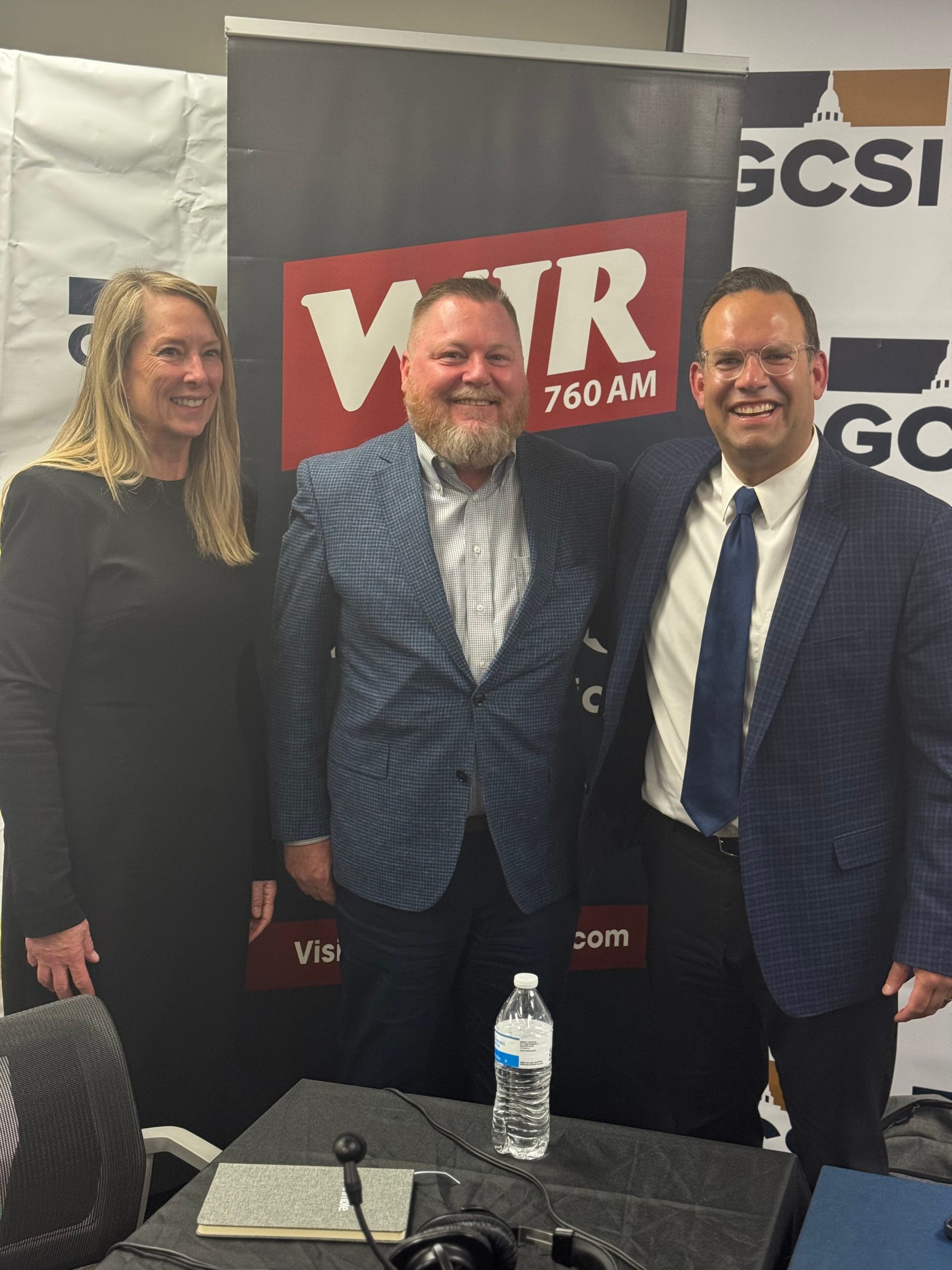
Elizabeth Kutter, vice president and deputy general counsel, MHA, joined Paul W. Smith for a WJR Spotlight interview April 9 about the value the federal 340B Drug Pricing Program brings to Michigan communities. The conversation …