MHA Service Corporation Highlights Security Technology Solutions and Action Plan Priorities

The MHA Service Corporation (MHASC) board held its final meeting of the 2024-2025 program year focused on supporting the MHA Strategic Action Plan priorities of protecting access, workforce support, strengthening cybercrime and cybersecurity policy, mental and behavioral health, and creating healthy communities. Members are encouraged to review the recent MHA CEO Report for more information on the association’s efforts to address these ongoing priorities.

The board was joined by Jason Slocum, CEO, i2G Systems, a Michigan-based electronic security technology service provider, for an overview of i2G’s Security Alignment Program. Their revolutionary integrated approach to security allows for hospitals and healthcare systems to measure how well public safety investments are performing against policies in real time. This encompasses a broad spectrum of services and technologies, ranging from access control, advanced surveillance, perimeter and outdoor areas, analytics, visitor/vendor management and emergency response systems. The partnership with i2G Systems aligns with the MHA’s priority to prevent workplace violence and keep healthcare workers, patients and visitors safe. Members may contact Ashtyn DeShais, account manager at i2G Systems to learn more.

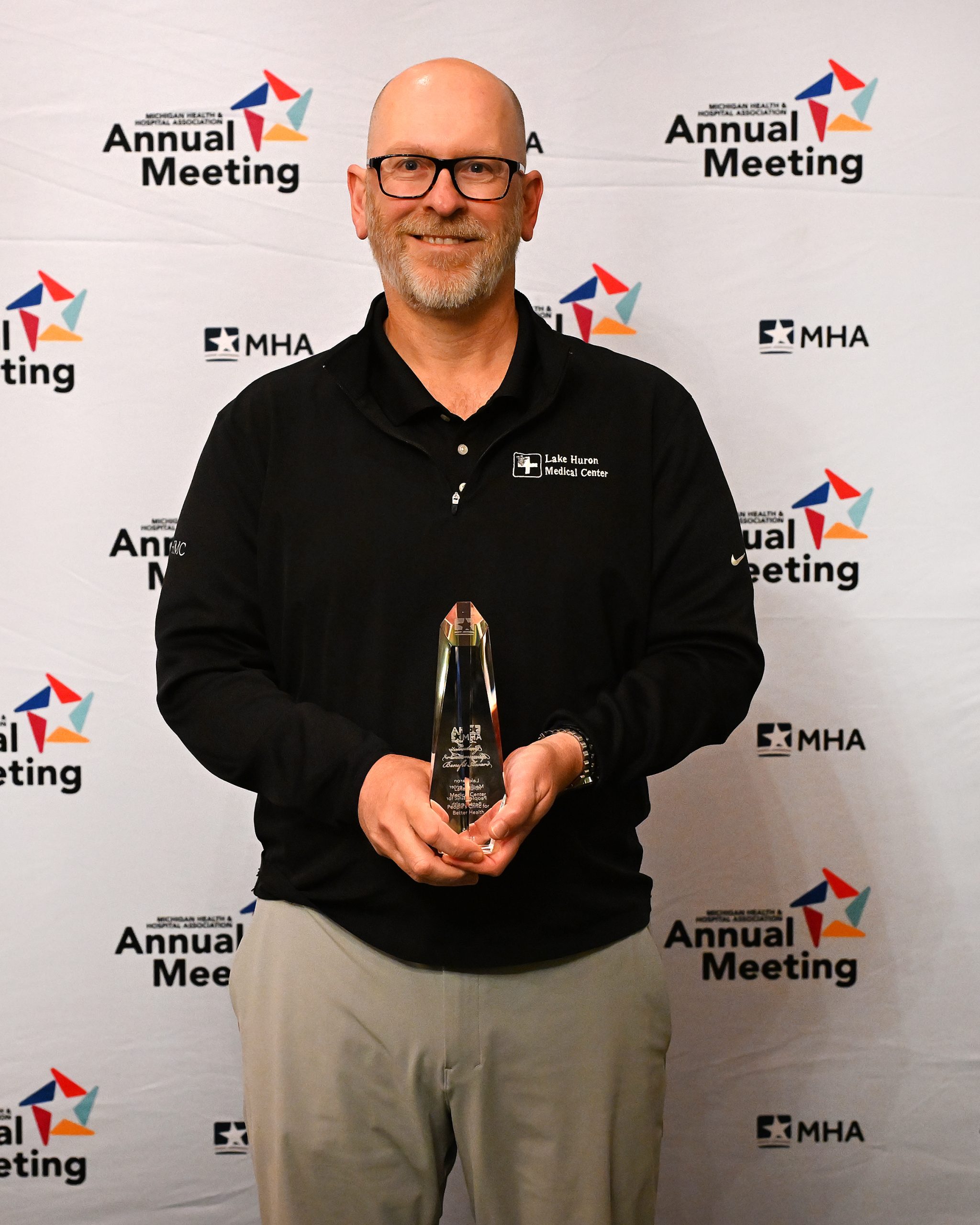
The MHASC board had several appointments and reappointments, adding depth and breadth of expertise. The board welcomed new board members Brittany Bogan, associate COO, C.S. Mott Children’s Hospital & Von Voigtlander Women’s Hospital, Michigan Medicine, Ann Arbor; and Christopher Fulks, interim CEO at Lake Huron Medical Center, and regional CFO, Prime Healthcare, Garden City. Fulks also accepted a MHA Ludwig Community Benefit award.

The board affirmed the reappointments of Paul Karsten, CFO, Pine Rest Christian Mental Health Services, as were the following individuals:

  • Peter Marinoff, south region president, Munson Healthcare
  • Andrea Poulopoulos, senior vice president, supply chain, Corewell Health

The board recognized outgoing board member Saju George, regional CEO, Prime Healthcare, and thanked him for continued service on the MHA Board of Trustees. The MHASC board also honored Ruthanne Sudderth, senior vice president and chief strategy officer, for providing strategic planning and oversight of the MHASC, including service as secretary of the board since 2023. Sudderth received a MHA Special Recognition Award and has moved on to a new opportunity outside of the MHA. The board welcomed Lindsay Peters, who will begin serving as vice president of the MHASC and board secretary in July.

The MHASC mission is to deliver innovative solutions that help improve value and performance through its Unemployment Compensation Program, Data Services and Endorsed Business Partner program. Visit the MHA Business Services webpage to learn more about resources available. Questions regarding the MHASC Board should be directed to Lindsay Peters at the MHA.
Virtual Maternal Health Quality Improvement Courses Available

The Michigan Alliance for Innovation on Maternal Health (MI AIM) is offering virtual modules to support maternal health quality improvement efforts. All obstetric team members at MI AIM participating birthing hospitals are encouraged to complete the courses.

This approximately three-hour series consists of the following three modules:

MI AIM Collaborative Orientation

Focuses on criteria for each program year by highlighting requirements for birthing hospital participation, data collection and reporting, and quality improvement implementation.

MI AIM Data Overview

Walks through the KeyMetrics system, learning how to navigate the pages within the dashboard, filter between hospital, region and state data, and interpret data and graphs.

Fundamentals of Quality Improvement

Provides an exploration of the Quality Improvement Model, the Plan, Do, Study, Act cycle, instructions on conducting a GAP analysis and for crafting SMART goals.

Members with questions may visit the KeyLearnings FAQ page, or contact the MHA Keystone Center.

*Please note: Continuing education credits are not currently available. Participants requiring a certificate of completion should contact the MHA Keystone Center.

MHA CEO Report — A Year of Progress and Purpose

MHA Rounds image of Brian Peters

“There is no power for change greater than a community discovering what it cares about.” — Margaret J. WheatleyMHA Rounds graphic of Brian Peters

With another program year behind us, the MHA Annual Meeting served as a powerful reminder of our shared mission to advance the health and well-being of Michigan’s patients and communities. Despite an evolving political landscape, we’ve made meaningful progress and are moving ahead with clear purpose.

As you can imagine, the 2024-2025 MHA program year was marked by busy periods of state legislative activity and various developments at the federal level. We can attribute a tremendous amount of our success to Dr. Julie Yaroch, president of ProMedica Charles and Virginia Hickman Hospital, who served as board chair. Dr. Yaroch’s leadership, clinical expertise and passion for public health had significant impact across countless areas of work.

It’ll come as no surprise that ensuring access to quality healthcare for all Michiganders continued – and continues – to be a priority. This program year, the MHA successfully prevented proposed government mandated nurse staffing ratio legislation from receiving a committee vote. Advocacy efforts also continued around 340B to maintain access to community-based care and prevent drug manufacturer overreach. This resulted in strong bipartisan support for legislation that passed the Michigan Senate and collaboration at the federal level with Senator Debbie Stabenow on the SUSTAIN 340B Act.

I’d be remiss not to mention our response to proposed federal cuts to Medicaid. The MHA, alongside urban and rural members, has prioritized congressional meetings, grassroots communications, coalition efforts and collaboration with state executive leadership to send a strong, clear message: Michigan needs Medicaid.

All that said, playing defense didn’t define our program year. In an effort to grow and develop our healthcare workforce, the MHA successfully hosted the inaugural Healthcare Careers Conversation and led changes to the Michigan Reconnect Program. This resulted in 4,300 students enrolling in short-term healthcare programs, a complement to our ongoing MI Hospital Careers campaign work. Additionally, we pursued state legislation to address provider credentialing delays, secured key amendments to the Earned Sick Time Act and had a hand in proposed changes to the state’s unemployment compensation benefits, among many other employer-related policies.

I’m also incredibly proud to share that we worked with state legislators to design, draft and introduce legislation that makes assaulting a healthcare worker a felony, while tying it to appropriate criminal justice system diversions. Our MHA Keystone Center collaborated to offer active shooter trainings and workplace violence gap analyses to our members while serving as a founding partner of Lawrence Technological University’s Healthcare Violence Reduction Center (HVAC).

We were fortunate to see several MHA priorities included within the FY 2024 state budget, notably a large sum put toward mental and behavioral health. The MHA team successfully secured $8.3 million to launch a competitive grant program for hospital-based peer recovery coach (PRC) programs while leading the charge on a series of impactful prevention and data-driven efforts. Understanding that gaps in behavioral health continue to effect urban and rural hospitals alike, these successes lay the groundwork for what’s ahead.

Emerging technologies and the integration of artificial intelligence (AI) reinforced our commitment to addressing cybercrime and strengthening cybersecurity policy. With this in mind, the MHA worked directly with the Michigan Attorney General and state policy leaders to ensure hospitals are reflected as victims of cybersecurity events. Simultaneously, we engaged our MHA Service Corporation, MHA AI Task Force, CFO Council and industry experts to deploy a series of cybersecurity events and resources to members.

I’d like to applaud our teams for handling a handful of unforeseen challenges, including working over the course of many months to address critical supply chain needs following the devastating impacts of Hurricane Helene. We also saw impressive engagement across annual member events, from our MHA Human Resources Conference and MHA Keystone Safety & Quality Symposium to the Healthcare Leadership Academy and Excellence in Governance Fellowship.

These milestones are just a glimpse into what we accomplished together this program year. I’m deeply grateful to our MHA Board of Trustees, members, sponsors, business partners and dedicated MHA staff – your unity and unwavering dedication to this work continues to have a lasting impact.

As always, I welcome your thoughts.

MHA Monday Report June 30, 2025

MHA Board of Trustees Holds Final Meeting of Program Year

The MHA Board of Trustees held its final meeting of the 2024-2025 program year on Mackinac Island June 25 in conjunction with the MHA Annual Membership Meeting. The meeting began with a welcome by the …


Opioid Legislation, IMLC and Compact Bills Advance in Senate, House

The Senate Health Policy Committee voted in support of legislation related to treating patients with opioid use disorder, while the House Health Policy advanced the Interstate Medical Licensure Compact (IMLC) bill during the week of …


Health & Hospital Association Elects 2025-2026 Officers and Board Members

Members of the MHA elected new officers and appointed board members during the association’s Annual Membership Meeting June 25. Officers of the 2025-2026 MHA Board of Trustees include Bill Manns, …


Hospital Executives Recognized for Outstanding Leadership

The MHA announced the winners of its 2025 Healthcare Leadership Award June 26 during its Annual Membership Meeting. Each year, the MHA recognizes outstanding individuals who have provided exceptional leadership to healthcare organizations and to …


Ludwig Community Benefit Award Honors Hospital Programs

The MHA announced the winners of its 2025 Ludwig Community Benefit Award during the association’s Annual Membership Meeting June 26. The honorees include programs supported by Corewell Health Lakeland Hospitals St. Joseph Hospital; Lake Huron …


MHA Meritorious Service Award Recognizes Bob Riney

The MHA announced the 2025 winner of its highest achievement award June 26 during the association’s Annual Membership Meeting. Receiving the award for his decades of healthcare leadership is Bob Riney, president and CEO, Henry …


Healthcare Advocates Honored with MHA Special Recognition Award

The MHA announced four winners of its Special Recognition Award during the Annual Membership Meeting June 26, recognizing them for extensive contributions to healthcare. Each of the winners has uniquely influenced healthcare in Michigan. The …


Keckley Report

The U.S. Anxiety Pandemic

“The U.S. bombing of Iran’s nuclear capability is unsettling: whether MAGA or not, hawk or dove, young or old, conservative or liberal, rich or poor—it matters. Stability at home and abroad is utopian to some but desired by all. Pandemics, mass violence, natural disasters and even election results contribute to instability and lend to insecurity. Operation Midnight Hammer might contribute to the nation’s anxiety—time will tell. …

Nothing could be more timely and necessary to the Commission’s work than addressing mass anxiety and mental health as a national priority. And nothing is more urgently needed in communities than mainstreaming anxiety and mental health into the systems of health that accept full risk for whole person health.”

Paul Keckley, June 23, 2025


New to KnowNews to Know

  • MHA offices will be closed and no formal meetings will be scheduled July 4 in honor of Independence Day.
  • Due to the holiday, Monday Report will not be published July 7 and will resume its normal schedule July 14. Member alerts and MHA newsroom articles will continue to be published during that time to provide relevant updates to the MHA membership, as necessary.


News to Know – June 30, 2025

  • MHA offices will be closed and no formal meetings will be scheduled July 4 in honor of Independence Day.
  • Due to the holiday, Monday Report will not be published July 7 and will resume its normal schedule July 14. Member alerts and MHA newsroom articles will continue to be published during that time to provide relevant updates to the MHA membership, as necessary.

MHA Board of Trustees Holds Final Meeting of Program Year

The MHA Board of Trustees held its final meeting of the 2024-2025 program year on Mackinac Island June 25 in conjunction with the MHA Annual Membership Meeting. The meeting began with a welcome by the Honorable Margaret Doud, mayor of Mackinac Island. As the longest currently serving mayor in the United States, Mayor Doud thanked the board members for visiting the Island and wished the MHA a successful annual meeting. She also reinforced the importance of protecting health care services and the value rural hospitals have played for the residents of Mackinac Island.

The board recognized James (Chip) Falahee, senior vice president, legal and legislative affairs, Bronson Healthcare, for over 16 years of service as one of two hospital representatives on the statewide bi-partisan Certificate of Need (CON) Commission. During his tenure, spanning three gubernatorial appointments, Chip served as vice-chair of the CON Commission for two years and chair for nine, a testament to his leadership and dedicated support among his fellow commissioners. MHA Board of Trustees member, Karen Cheeseman, president & CEO, Mackinac Straits Health System, St. Ignace, was appointed by Governor Whitmer to replace Chip on the commission.

The board reviewed the MHA’s 2024-2025 Strategic Action Plan, which successfully focused on protecting access, workforce support, strengthening cybercrime and cybersecurity policy, mental and behavioral health, and creating healthy communities. The board also approved many associate members including Eneration, Inc., Gallagher Insurance, Homeward Health and Talkiatry.

Members with questions about the actions of the MHA Board of Trustees may contact Amy Barkholz at the MHA.


Opioid Legislation, IMLC and Compact Bills Advance in Senate, House

The Senate Health Policy Committee voted in support of legislation related to treating patients with opioid use disorder, while the House Health Policy advanced the Interstate Medical Licensure Compact (IMLC) bill during the week of June 23.

Senate Bills (SB) 397405 were voted out of the Senate Health Policy Committee with recommendation to the full Senate chamber. Collectively, these bills make numerous changes to improve coverage and access for Michiganders to receive treatment for opioid use disorders.

Additionally, the Senate Health Policy Committee heard testimony on House Bills (HB) 41034104, sponsored by Reps. Julie Rogers (D-Kalamazoo) and Doug Wozniak (R-Shelby Township), which would add Michigan into the occupational therapist licensure compact agreement. HBs 4101 and 4380, sponsored by Rep. Matthew Bierlein (R-Vassar), was also considered by the committee and would add Michigan into the physical therapist licensure compact. Also, the committee advanced SBs 414415, sponsored by Sen. Stephanie Chang (D-Detroit) and Sen. Ruth Johnson (R-Groveland Township), which would require insurer and Medicaid coverage of group prenatal services. The MHA supports HBs 4103-4104, 4101, 4380, and SBs 414-415.

SB 303, sponsored by Sen. Roger Hauck (R-Mount Pleasant), renews Michigan’s agreement in the interstate medical licensure compact was unanimously voted through by the House Health Policy Committee. The bill now moves to the House Rules Committee for further consideration. The committee also heard testimony on HB 4509, sponsored by Rep. Luke Meerman (R-Coopersville), which adds Michigan to the audiologist and speech-language pathologist licensure compact. HB 4591, sponsored by Rep. Karl Bohnak (R-Deerton), similarly adds Michigan to the professional counselor licensure compact. The MHA also supports SB 303, HB 4509 and HB 4591, and looks forward to their continued movement in the legislature.

Members with additional questions should contact the MHA Advocacy Team.

MHA Meritorious Service Award Recognizes Bob Riney

Bob Riney, president and CEO, Henry Ford Health, accepts the MHA Meritorious Service Award at the MHA Annual Meeting.

The MHA announced the 2025 winner of its highest achievement award June 26 during the association’s Annual Membership Meeting. Receiving the award for his decades of healthcare leadership is Bob Riney, president and CEO, Henry Ford Health, Detroit.

Riney is honored for his decades of healthcare leadership, which spans more than 45 years of service at Henry Ford Health. Riney has been instrumental in the growth of Henry Ford Health and its role serving communities throughout Michigan and beyond during his tenure. Riney’s career with Henry Ford Health began in 1978 as a college student and has since evolved into many executive roles, including chief operating officer, chief administrative officer and chief human resources officer. Following his appointment as CEO in 2022, Henry Ford Health has executed several large projects.

Riney spearheaded a joint venture agreement with Ascension Michigan hospitals, uniting the two major health systems across southeast Michigan. This grew Henry Ford Health from five to 13 acute care hospitals; approximately 33,000 to 50,000 team members; and 250 to more than 550 sites of care, while expanding access to advanced clinical care and cutting-edge research for communities throughout Michigan and beyond.

Riney has also been key in the creation of Destination: Grand, which completely reimagines the Henry Ford Hospital campus in Detroit to improve the patient experience and drive medical innovation. It will include a new 20-story, 1.2-million-square-foot hospital facility with all private patient rooms, a new emergency department more than double the size of the existing one, 28 operating rooms and its own central energy hub, positioning it as one of the largest fully electric-capable hospitals in the country.

His involvement with the MHA spans 25 years, including working on various committees and issues that focus on the healthcare workforce, patient safety and board governance. Riney served on the MHA Board of Trustees for 14 years, including as chair during the 2016-17 MHA program year.

Riney is a graduate of Wayne State University and a lifelong Detroiter. He remains active on many community boards, including the Alfred I. duPont Charitable Trust, Detroit Zoological Society, M1 Rail Transit Authority, The Parade Company, Hudson-Webber Foundation, Caymich Insurance Company, Detroit Regional Chamber, Business Leaders for Michigan, Downtown Detroit Partnership, Detroit Regional Partnership, The Detroit Economic Club and Motown Museum. In addition, Riney is the 2026 Mackinac Policy Conference Chair.

Ludwig Community Benefit Award Honors Hospital Programs

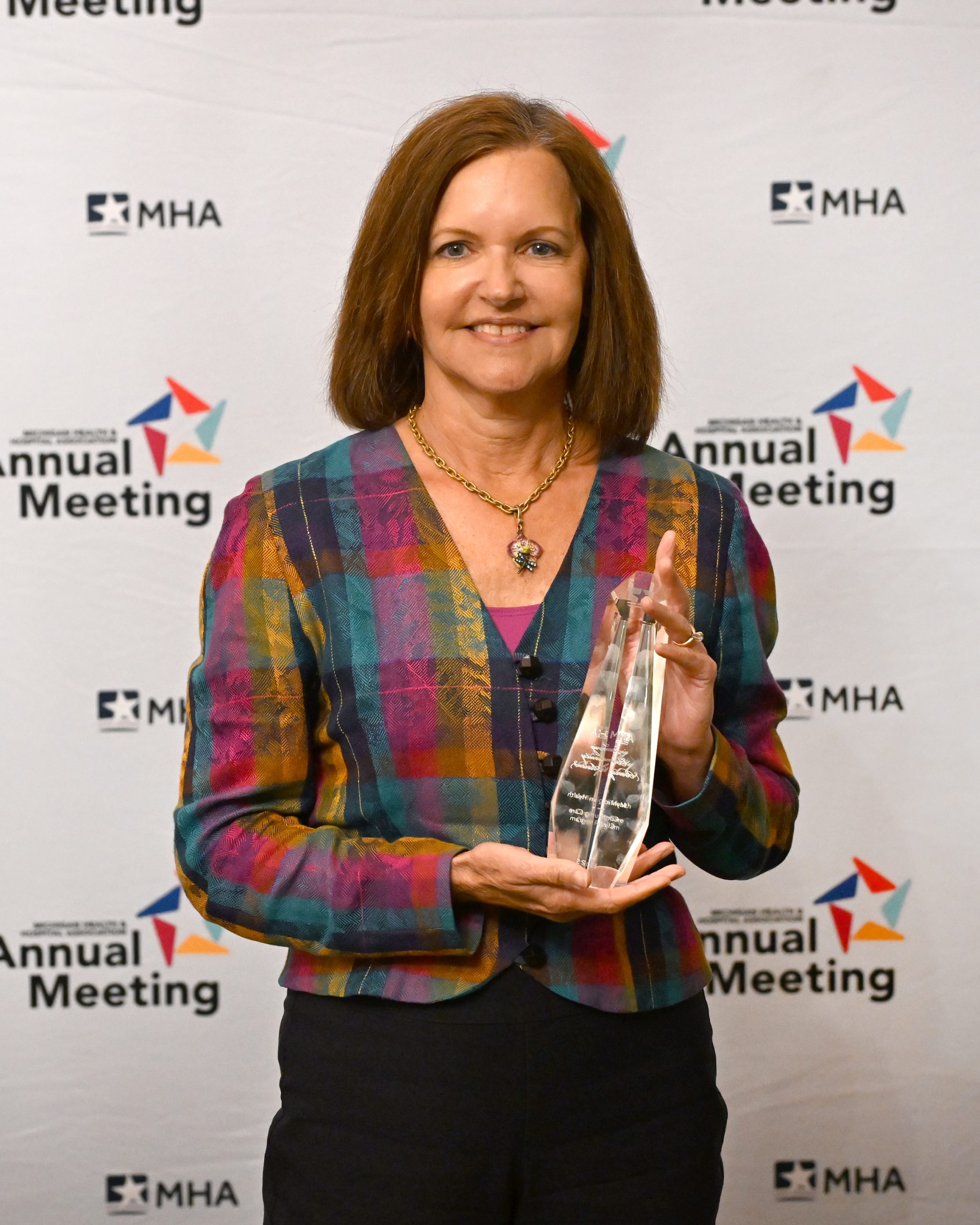
The MHA announced the winners of its 2025 Ludwig Community Benefit Award during the association’s Annual Membership Meeting June 26. The honorees include programs supported by Corewell Health Lakeland Hospitals St. Joseph Hospital; Lake Huron Medical Center, Port Huron; and MyMichigan Health, Midland. The award is named in memory of Patric E. Ludwig, a former MHA president who championed investing in the community’s overall health. The award is presented to member organizations integrally involved in collaborative programs to improve the health and well-being of Michigan residents. Each winner will receive $5,000 from the MHA Health Foundation to reinvest in their programs.

Corewell Health in Southwest Michigan, in collaboration with the Michigan Public Health Institute’s Achieving Birth Equity Through Systems Transformation Taskforce, created the Corewell Health Center for Wellness (CHCW) in Benton Harbor to be a trusted resource to provide education in prenatal, childbirth and postnatal care in Southwest Michigan. The CHCW offers free childbirth education, breastfeeding support, safe sleep education, navigation to essential community resources and culturally informed guidance tailored to the unique needs of their community. The programs served 370 community members in 2024 with a 100% retention rate in classes. The number of families who maintained breastfeeding at two weeks post-partum through the program exceeded the national breastfeeding rate by 20 percentage points.

These results show how the CHCW enhances clinical outcomes and builds a resilient, empowered community where mothers and families can thrive. The childbirth educasstion classes are currently supported by a dedicated team that includes a certified childbirth educator, a community-based doula, a lactation consultant, a community health educator, a community health worker and a senior project specialist.

For more information on the taskforce, contact Kyna King, senior project specialist, Corewell Health in Southwest Michigan.

Lake Huron Medical Center, Port Huron, partners with the People’s Clinic for Better Health, which has been providing life-saving healthcare at no cost to the uninsured and under-insured in St. Clair County for more than 35 years. Located in the St. Clair County Community Mental Health, the clinic is open five days a week as both a free clinic and a Medicaid clinic, accepting patients who are 18 years or older, who are without insurance, or receive Medicaid coverage. The clinic offers routine health screenings, women’s health, non-emergency maintenance care of chronic illness, wellness checkups, specialist referrals, lab and radiology testing, diabetes education and benefits counseling.

The clinic works closely with community and social service partners to best serve its patients and improve health outcomes. The People’s Clinic for Better Health recently added a mobile unit, which goes to locations like the area soup kitchen to help the clinic reach further into the community.  Overall, 63% of patients reported an improvement in their health in 2024-25 and 97% of patients needing specialty referrals were referred to accepting service providers.

For more information on the People’s Clinic for Better Health, contact Mallory Moore, foundation director, Lake Huron Foundation.

MyMichigan Health, Midland, established Continuing Care Clinics to reach the residents throughout MyMichigan Health’s 26-county service region who do not have timely access to a primary care physician. These clinics provide timely care during critical transitions in health, such as after discharge from a hospital, emergency department, long-term care facility or while patients are waiting to establish care with a new primary care provider. New patient appointments and transition-of-care visits are provided within seven days of discharge.

MyMichigan has been successful at reducing poor health outcomes, as patients receiving care through this model have a lower risk of readmission compared to those at other similar clinics in the community. The multidisciplinary team of clinicians creates personalized care plans that help patients successfully transition home and reduce the risk of readmission. Patients also receive referrals for preventative screenings, which further supports community wellness. The Continuing Care Clinics also work closely with community partners to improve patients’ ability to access essential resources, including food, transportation and medication delivery, which helps patients manage their health and improve their recovery.

Visit the MyMichigan Health website for more information about MyMichigan Health’s Continuing Care Clinics.

To learn more about the MHA’s annual Ludwig Community Benefit Award, contact Erin Steward at the MHA.

Healthcare Advocates Honored with MHA Special Recognition Award

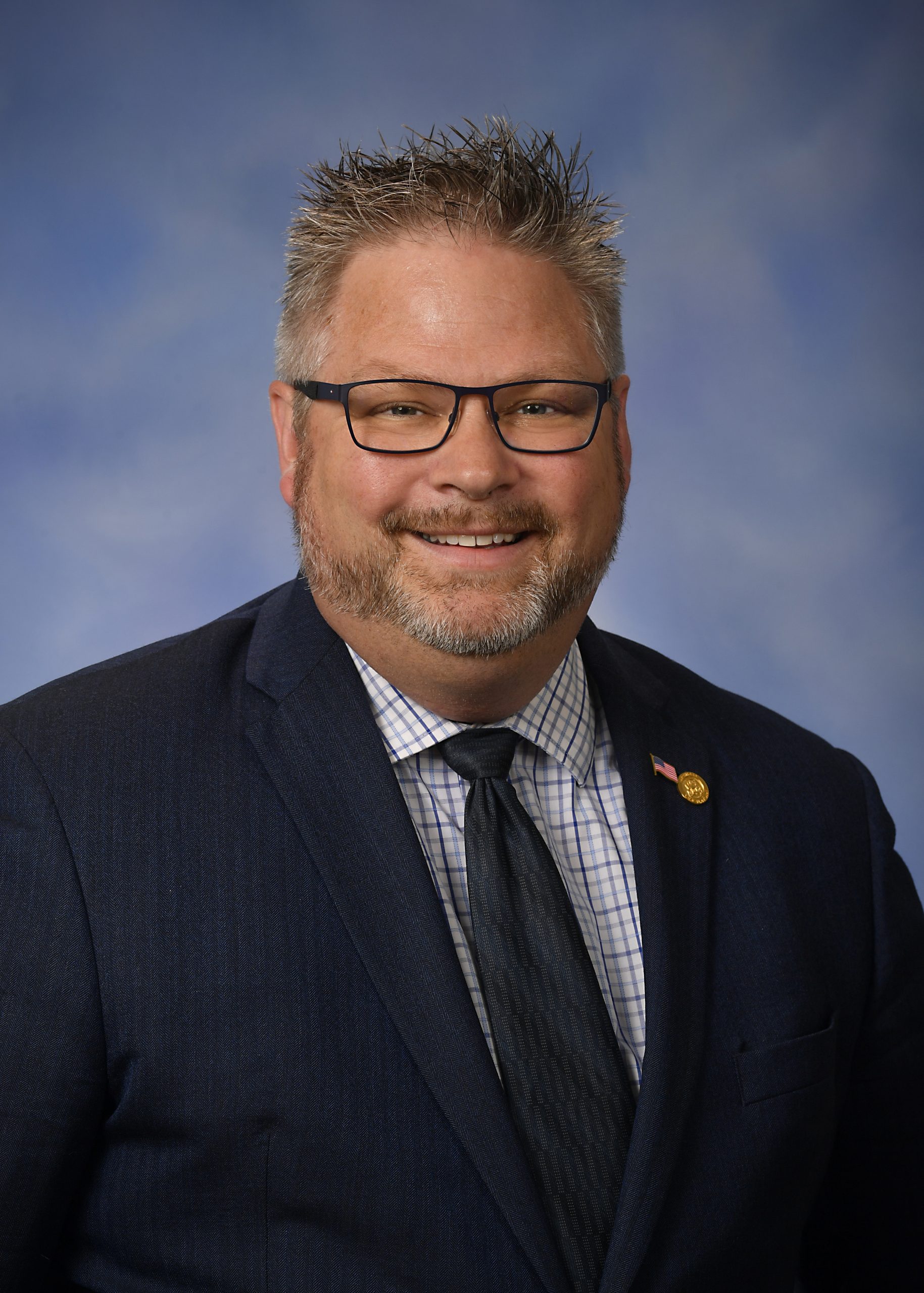
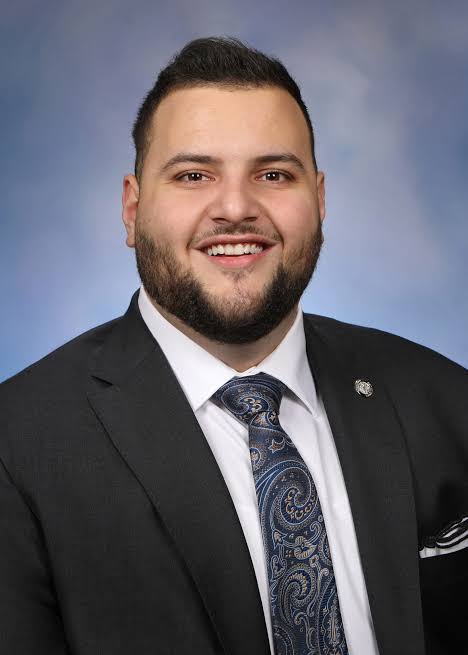
The MHA announced six winners of its Special Recognition Award during the Annual Membership Meeting June 26, recognizing them for extensive contributions to healthcare. Each of the winners has uniquely influenced healthcare in Michigan. The winners include T. Anthony Denton, senior vice president and chief environmental, social and governance officer, Michigan Medicine; U.S. Rep. Debbie Dingell (D-Ann Arbor); Rep. Phil Green (Watertown Township); Rep. Alabas Farhat (D-Dearborn); Nancy McKeague, executive vice president of operations, MHA; and Ruthanne Sudderth, senior vice president and chief strategy officer, MHA.

T. Anthony Denton, Michigan Medicine

Denton is a former chair of the MHA Board of Trustees and commissioner of The Joint Commission. Denton has served in many leadership capacities during his 44 years with Michigan Medicine, including chief operating officer and acting CEO. In his current role, he is the senior executive responsible for master facility planning to advance patient access to care and guides Michigan Medicine’s environmental sustainability and carbon neutrality efforts. In addition, Denton facilitates a collaborative multi-sector community health model to improve health outcomes through enhanced community presence and impact initiatives and leads assessments to inform appropriate modification of governance models across the system. Before serving in health care administration, Denton began his career in human resources. His tenure on the MHA Board of Trustees ended in 2024 after 10 years of service.

U.S. Rep. Debbie Dingell (D-Ann Arbor)

Rep. Dingell has been a healthcare champion throughout her time in Congress, currently serving as a member of the Energy and Commerce Committee, where she has led on critical issues, including affordable and accessible healthcare. Since joining Congress in 2015, Dingell has been a strong advocate for improving healthcare access for all populations. She has also been a supporter of rural emergency hospitals, the 340B program and Medicaid funding.

Rep. Phil Green (Watertown Township)

Since being elected to state office in 2018, Rep. Green has been an advocate for state funding that ensures Michigan residents have
access to the care they need. He introduced the interstate nurse licensure compact during the 2023-24 legislative session and helped defeat legislation that would have instituted harmful government-mandated staffing ratios. Before that, he leveraged his role on the House Appropriations Committee to provide additional funding for maternal health, Medicaid reimbursements and behavioral health. He was also one of the key leaders who secured $300 million in funding to support the recruitment, retention and training of healthcare workers in 2022 and 2023. Green currently chairs the House Appropriations Subcommittee on Public Health, serves as the vice chair on the House Appropriations Subcommittee on Medicaid and Behavioral Health, and sits on the House Appropriations Committee.

Rep. Alabas Farhat (D-Dearborn)

Rep. Farhat has been a strong advocate for healthcare and public health legislation in the state House of Representatives since being elected in 2022. He has a strong academic background in public health, having earned a bachelor’s degree in public health from the University of Michigan-Dearborn. As a legislator, Farhat has been a staunch advocate for the 340B program, as he was the lead sponsor of state-level protections for 340B covered hospitals, including testifying in support of the 340B program in the House Insurance Committee. His groundwork led to a successful vote in favor of 340B protections in the Michigan Senate this past December. Rep. Farhat also has been a champion for access to affordable prescription medications and better maternal health outcomes. He passed legislation in 2023 to ensure fair reimbursement rates for pharmacy operators under the state’s Medicaid plan.

Nancy McKeague, MHA

Nancy McKeague is retiring July 4 from her role as Chief Operating Officer for the MHA. A former member of legislative staff in both the Michigan House and Senate, she has more than 30 years of experience in government relations and non-profit association management. Specializing in labor, insurance, employment law, employee benefits and organizational development, she has been active in legislative and regulatory issues at both the state and federal levels and frequently testified as a subject matter specialist. McKeague has been a tremendous asset for hospitals and the MHA in navigating labor and workforce challenges.

Ruthanne Sudderth, MHA

Ruthanne Sudderth is the Senior Vice President and Chief Strategy Officer at the MHA. In this role, she has provided strategic planning and oversight of the MHA Service Corporation, overseen communications and marketing functions for all of MHA, led vaccine work and managed the association’s workforce development efforts. Ruthanne also led the association’s community giving efforts, overseeing the distribution of all external sponsorship dollars going to support health and wellness efforts around the state. In addition, Sudderth served as the president of the Upper Peninsula Hospital Council. Sudderth has played a key role in modernizing the association’s approach to fully embrace social media and podcasting platforms, building impactful coalitions and effectively amplifying the voice of hospitals to elected officials and key stakeholders and growing the MHA’s Endorsed Business Partner program. Sudderth is moving on to a new opportunity outside of the MHA, with her last day being July 4.