MHA Board of Trustees Shares Learnings from Ice Storm and Reviews Strategic Action Plan

The MHA Board of Trustees’ Nov. 12 meeting featured presentations from board members Ed Ness, president and CEO, Munson Healthcare; Lydia Watson, president and CEO, MyMichigan Health; and Karen Cheeseman, president and CEO, Mackinac Straits Health System, on their organizations’ response to the ice storm that struck northern Michigan in spring 2025.

The three board members shared photos and provided details on how each health system acted quickly to obtain alternate fuel sources, safely store and distribute food and medication, provide warming centers, and secure transportation for staff and patients. They also described the transportation challenges caused by the extended closure of the Mackinac Bridge and widespread road closures from downed power lines, many of which took weeks to clear and restore. The board members commended the dedication and resourcefulness of their staff and communities, emphasizing the importance of developing detailed emergency preparedness plans that address long-term scenarios.

The board welcomed James Holcomb, president and CEO, Michigan Chamber of Commerce, who outlined the Chamber’s legislative priorities and opportunities for collaboration with the MHA on key issues aimed at preserving and promoting economic growth. Holcomb highlighted the essential role hospitals and healthcare providers play as major employers across Michigan. Board members reviewed the MHA’s 2025-26 Strategic Action Plan, which identifies the protection of patient access to care, workforce support, support for mental and behavioral health, and creating healthy communities as its key priorities. The board approved a new Type 1 member, Southridge Behavioral Hospital; two Type 2 members, The Morel Company and Skill Trade; and six new individual physician members.

Questions about MHA Board of Trustees meetings should be directed to Amy Barkholz at the MHA.

Investing in Rural Hospitals Means Investing in Rural Michigan

By Jeremiah Hodshire, President & CEO of Hillsdale Hospital

When the One Big Beautiful Bill Act was signed into law in July, it created the Rural Health Transformation Program, a five-year, $50 billion investment in rural healthcare. The MHA Board of Trustees took swift action empowering an MHA board-appointed task force charged with creating recommendations that the Michigan Department of Health & Human Services (MDHHS) could use when submitting the one-time application for funding.

I’ve had the pleasure of chairing the task force and working alongside my colleagues Tonya Darner, UP Health System; Karen Cheeseman, Mackinac Straits Health System; Dr. Ross Ramsey, Schuerer Health; Michael Rose, MyMichigan Health; and Peter Marinoff, Munson Healthcare. This process has been collaborative and informed by other rural hospital leaders across the state through the Rural CEO Town Hall the MHA hosted in late September. I am also deeply indebted to the MHA staff, specifically the driving force behind keeping our committee on task, Lauren LaPine-Ray, who has served as an outstanding ambassador, facilitator, researcher and connector as we navigate the federal guidelines! A few key themes emerged through this process and informed the recommendations shared with MDHHS.

When I look out across our community, I see the same faces that fill our hospital’s halls — farmers, teachers, small business owners and families who trust us to care for them when it matters most. Yet every year, it becomes harder to keep our doors open. Recruiting and retaining obstetricians, gynecologists, social workers, psychologists and primary care physicians has turned into an uphill push. Technology that could connect us to specialists hundreds of miles away remains out of reach due to inadequate broadband and out-of-date electronic medical records platforms. And the gap between what it costs to provide care and what we’re paid to deliver it keeps widening. That’s why the Centers for Medicare & Medicaid Services’ Rural Health Transformation Program matters so much right now. This new federal funding opportunity isn’t just a policy line item — it’s a lifeline. But for Michigan’s small and rural hospitals, it will only make a difference if the dollars actually reach us, the people on the ground.

Our Greatest Need: People

Every rural hospital leader will tell you the same story: we can’t hire fast enough to replace those who’ve left. Nearly 70% of Michigan hospitals report difficulty filling clinical vacancies and rural areas face the longest recruitment times in the state. Nursing wages in large systems have soared, while young physicians are drawn to urban centers where they can earn more and work less on call. Meanwhile, small hospitals like ours are paying bonuses we can’t afford just to keep labor and delivery open or to cover an emergency room shift. The costs to maintain OB/GYNs in rural areas are significant.

If the Rural Health Transformation funds are truly meant to “right-size” care delivery, they must start with stabilizing the workforce that keeps that system running. Rural hospitals should be able to use these funds for loan repayment programs, housing stipends and retention bonuses that reflect the realities of rural practice. Without people, no transformation is possible.

Technology Should Connect, not Divide

Michigan’s rural hospitals have led the way in adopting telehealth, but we are still too often left behind. Broadband is patchy and many of our systems don’t integrate with the larger hospitals where we refer patients. CMS should allow states to dedicate transformation dollars toward technology innovation — helping rural providers invest in electronic health record interoperability, remote patient monitoring and telepsychiatry tools that expand access without expanding costs. When technology works across the system, it saves time, reduces burnout and lets us keep more care local.

Payment Equity Must be Part of Transformation

Even before inflation and staffing shortages, the math didn’t add up. Rural hospitals serve older, sicker populations and depend heavily on Medicare and Medicaid. The number of births occurring in rural hospitals continues to decline, making the ability to cover costs and provide critical care even more challenging. When reimbursement rates don’t cover the cost of care, rural hospitals can’t sustain basic services like obstetrics or behavioral health. Between 2010 and 2023, 11 rural hospitals in Michigan closed or stopped providing inpatient services. Rural Transformation funds should explicitly support provider payments and shared-savings models to ensure critical healthcare access in rural areas is maintained. If rural hospitals can’t afford to pay their doctors and nurses, innovation will stall before it starts.

The Stakes for Michigan

More than 60% of Michigan’s counties are considered rural, with nearly 30 hospitals serving as the only point of care for miles. Every time one closes, an entire region loses not just its emergency room, but also its largest employer and a key part of its safety net. The Michigan Senate Fiscal Agency recently reported nearly 22% of Michigan counties are considered maternity deserts. Michigan needs true investments in rural healthcare to reverse these trends — but only if the funds flow to where they can have the greatest impact: rural hospitals themselves.

These dollars should not get lost in bureaucracy or redirected to administrative projects. They should go toward the people and places that make healthcare possible: our workforce, our technology and our providers.

If we want to build a stronger, more equitable Michigan, we must start by keeping care local, and that begins with investing in the hospitals that keep our communities alive.

Ludwig Community Benefit Award Honors Hospital Programs

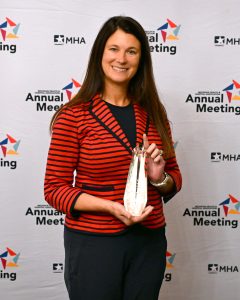
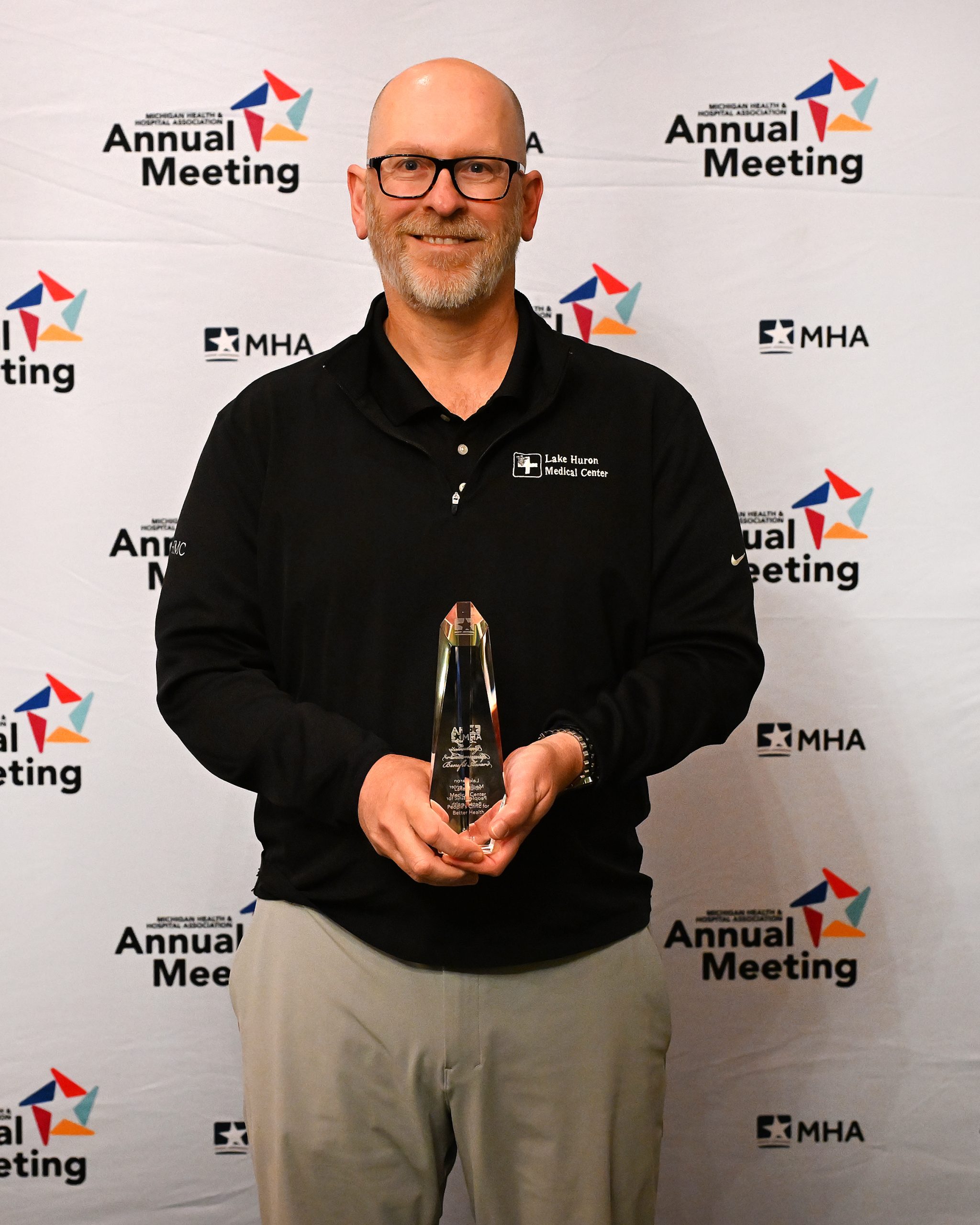
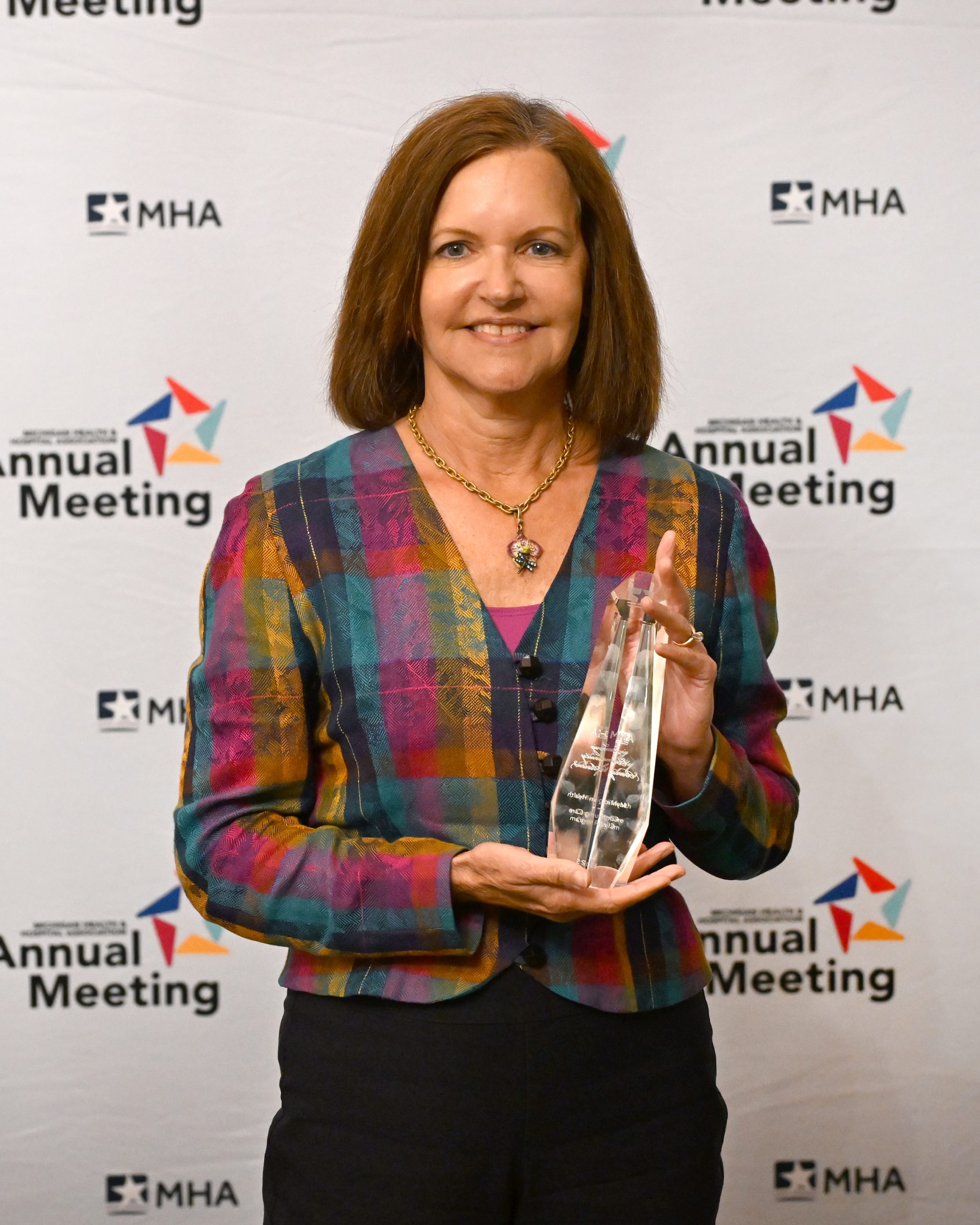
The MHA announced the winners of its 2025 Ludwig Community Benefit Award during the association’s Annual Membership Meeting June 26. The honorees include programs supported by Corewell Health Lakeland Hospitals St. Joseph Hospital; Lake Huron Medical Center, Port Huron; and MyMichigan Health, Midland. The award is named in memory of Patric E. Ludwig, a former MHA president who championed investing in the community’s overall health. The award is presented to member organizations integrally involved in collaborative programs to improve the health and well-being of Michigan residents. Each winner will receive $5,000 from the MHA Health Foundation to reinvest in their programs.

Corewell Health in Southwest Michigan, in collaboration with the Michigan Public Health Institute’s Achieving Birth Equity Through Systems Transformation Taskforce, created the Corewell Health Center for Wellness (CHCW) in Benton Harbor to be a trusted resource to provide education in prenatal, childbirth and postnatal care in Southwest Michigan. The CHCW offers free childbirth education, breastfeeding support, safe sleep education, navigation to essential community resources and culturally informed guidance tailored to the unique needs of their community. The programs served 370 community members in 2024 with a 100% retention rate in classes. The number of families who maintained breastfeeding at two weeks post-partum through the program exceeded the national breastfeeding rate by 20 percentage points.

These results show how the CHCW enhances clinical outcomes and builds a resilient, empowered community where mothers and families can thrive. The childbirth educasstion classes are currently supported by a dedicated team that includes a certified childbirth educator, a community-based doula, a lactation consultant, a community health educator, a community health worker and a senior project specialist.

For more information on the taskforce, contact Kyna King, senior project specialist, Corewell Health in Southwest Michigan.

Lake Huron Medical Center, Port Huron, partners with the People’s Clinic for Better Health, which has been providing life-saving healthcare at no cost to the uninsured and under-insured in St. Clair County for more than 35 years. Located in the St. Clair County Community Mental Health, the clinic is open five days a week as both a free clinic and a Medicaid clinic, accepting patients who are 18 years or older, who are without insurance, or receive Medicaid coverage. The clinic offers routine health screenings, women’s health, non-emergency maintenance care of chronic illness, wellness checkups, specialist referrals, lab and radiology testing, diabetes education and benefits counseling.

The clinic works closely with community and social service partners to best serve its patients and improve health outcomes. The People’s Clinic for Better Health recently added a mobile unit, which goes to locations like the area soup kitchen to help the clinic reach further into the community.  Overall, 63% of patients reported an improvement in their health in 2024-25 and 97% of patients needing specialty referrals were referred to accepting service providers.

For more information on the People’s Clinic for Better Health, contact Mallory Moore, foundation director, Lake Huron Foundation.

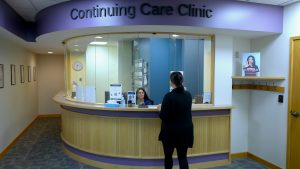
MyMichigan Health, Midland, established Continuing Care Clinics to reach the residents throughout MyMichigan Health’s 26-county service region who do not have timely access to a primary care physician. These clinics provide timely care during critical transitions in health, such as after discharge from a hospital, emergency department, long-term care facility or while patients are waiting to establish care with a new primary care provider. New patient appointments and transition-of-care visits are provided within seven days of discharge.

MyMichigan has been successful at reducing poor health outcomes, as patients receiving care through this model have a lower risk of readmission compared to those at other similar clinics in the community. The multidisciplinary team of clinicians creates personalized care plans that help patients successfully transition home and reduce the risk of readmission. Patients also receive referrals for preventative screenings, which further supports community wellness. The Continuing Care Clinics also work closely with community partners to improve patients’ ability to access essential resources, including food, transportation and medication delivery, which helps patients manage their health and improve their recovery.

Visit the MyMichigan Health website for more information about MyMichigan Health’s Continuing Care Clinics.

To learn more about the MHA’s annual Ludwig Community Benefit Award, contact Erin Steward at the MHA.

Report: Michigan Hospital Programming, Investments Improve Health and Well-being of Residents

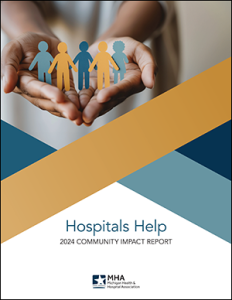
2024 MHA Community Impact Report

The Michigan Health & Hospital Association (MHA) released the 2024 Community Impact Report highlighting how Michigan hospitals are strengthening the healthcare workforce, enhancing access to care and building community health and wellness. This report shares 15 hospital-led community impact programs from nearly every region of the state.2024 MHA Community Impact Report

Michigan hospitals are advancing the health of patients and communities beyond the traditional healthcare setting with a variety of community-focused programs. These efforts are a result of strategic community benefit investments, in addition to local partnerships and support from state and federal healthcare champions.

“The MHA Community Impact Report demonstrates a long-standing commitment by Michigan hospitals to advance the well-being of patients and communities beyond the traditional four walls of the hospital,” said MHA CEO Brian Peters. “It also showcases the strong, lasting impact of investments in health education, community outreach services, clinical research and workforce development.”

Examples of stories include Corewell Health William Beaumont University Hospital’s Street Medicine Oakland program that provides free medical care to patients experiencing homelessness; MyMichigan Health’s Grow Our Own initiative, which provides financial assistance to individuals who want to further their education in healthcare; and Schoolcraft Memorial Hospital’s Community Connect program that is reducing health disparities related to mental health, substance abuse and adverse childhood events.

The investments total more than $4.5 billion in community impact activities in fiscal year (FY) 2022, from education and prevention services to community outreach, research and workforce development.

“At ProMedica Health, we’re always looking for innovative ways to address the specific health needs of our patient population and reach communities where they are,” said MHA Board Chair Julie Yaroch, DO, president of ProMedica Charles and Virginia Hickman Hospital. “It’s inspiring to see the work of other hospitals featured in the report that are focused on bringing solutions to the table, especially when it comes to closing gaps in public health and enhancing access to care in rural communities.”

The full report and community impact stories from hospitals across the state can be accessed on the MHA website.

MHA Podcast Uplifts Importance of Submitting Adverse Event Data to Improve Patient, Staff Safety

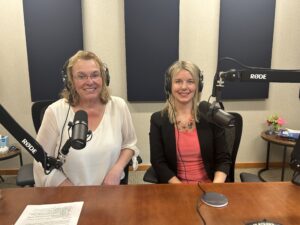
Nadine Post, MSN, RN (Left), manager of Quality and Patient Safety at MyMichigan Health, and Nicole Stefan, CNMT, MBA, CPPS, CPHRM (Right), manager of Risk Management at Trinity Health Livonia joined for the March episode of the MiCare Champion Cast.

The MHA released a new episode of the MiCare Champion Cast during Patient Safety Awareness Week to uplift why hospitals should prioritize submitting adverse event data, in addition to what can be done to improve the culture around reporting. The episode features Nadine Post, MSN, RN, manager of Quality and Patient Safety at MyMichigan Health, and Nicole Stefan, CNMT, MBA, CPPS, CPHRM, manager of Risk Management at Trinity Health Livonia.

Data is critical for advancing healthcare safety. With this in mind, the MHA Keystone Center Patient Safety Organization (PSO) collects data every day from hospitals and health systems throughout Michigan. The team assembled in June 2023 the Adverse Events Review Committee (AERC) to review adverse events and identify the root cause of medical errors. In addition to providing guidance to hospitals on a case-by-case basis, the committee aims to establish standardized practices and proactive solutions to prevent staff and patient harm.

“Data is knowledge,” said Stefan. “It allows us to see where we’re vulnerable, benchmark and prioritize what we need to work on.”

Organizational culture can often be a barrier for incident reporting. According to the Occupational Safety and Health Administration, studies of hospital-based healthcare workers found that those who perceived that their institution had a strong commitment to safety were much more likely to be compliant with standard precautions than those who did not.

“One of the components of building a culture of safety is having leaders at unit levels being active listeners so that frontline employees understand that they have executive support,” said Post, who serves as co-chair of the committee. “Psychological safety is so important,” Stefan added. “If they [frontline staff] feel safe, they will take the time to report – they will feel comfortable to.”

Those interested in the MHA Keystone Center PSO or the AERC should contact the MHA Keystone Center. Current PSO members are also encouraged to submit nominations for the quarterly Speak-up! Award to acknowledge the efforts of individuals or teams who are preventing harm to patients or fellow staff members.

The episode is available to stream on SpotifyYouTubeApple Podcasts and SoundCloud. Questions or idea submissions for future MiCare Champion Cast episodes can be sent to Lucy Ciaramitaro at the MHA.

MiCare Champion Cast · Patient Safety Awareness Week: The Important Role of Hospital Adverse Event Data