 MHA Submits Comments on Speech-Language Pathologist Proposed Policy
 MHA Submits Comments on Speech-Language Pathologist Proposed Policy
The MHA recently provided comments to the Michigan Department of Health and Human Services (MDHHS) regarding a proposed policy change for Medicaid enrollment of speech-language pathologists. The MHA supports MDHHS’s efforts to align Michigan licensure …
Registration Open for Safe Table on Just Culture
 Registration Open for Safe Table on Just Culture
The MHA Keystone Center Patient Safety Organization is hosting a Just Culture Safe Table from noon to 4 p.m., Thursday, Sept. 19 at the MHA headquarters in Okemos, MI. The peer-led discussion about Just …
Special Pathogen Preparedness and the Revised Infection Control Joint Commission Standards Webinar
 Special Pathogen Preparedness and the Revised Infection Control Joint Commission Standards Webinar
The National Emerging Special Pathogens Training & Education Center, in collaboration with the Association for Professionals in Infection Control and Epidemiology, are hosting the webinar Special Pathogen Preparedness and the Revised Infection Control Joint Commission Standards …

New CMS Requirements for Reporting of Hospital Respiratory Data
The MHA recently submitted formal comments to the Centers for Medicare & Medicaid Services (CMS) on the proposed updates to the Medicare Inpatient Prospective Payment System for fiscal year 2025. Updates to the hospital and …
MHA Provides Comment on Proposed Medicaid Reimbursement for Group Prenatal Care
The MHA submitted a comment letter to the Michigan Department of Health and Human Services regarding the proposed Medicaid coverage of group prenatal care, set to begin in October 2024. The MHA expressed support for …
The Keckley Report
 Healthcare’s Three Big Tents have Much in Common
“Arguably, three trade groups have emerged at the center of healthcare system transformation efforts in the U.S.: the American Hospital Association (AHA), America’s Health Insurance Plans (AHIP) and the Pharmaceutical Research and Manufacturers of America (PhRMA). Others weigh in—the American Medical Association, AdvaMed, the American Public Health Association and others—but this trio is widely regarded as the Big Tents under which policy changes are pursued. …
The Boards of the Big Tent trio weigh in, but senior staff in each of the Big Tents drive the organization’s strategy. They’re experienced in advocacy, well-paid and often heavy-handed in dealing with critics.
Operationally, the 3 Big Tents have much in common. Strategically, they’re far apart and the gap appears to be widening. Each blames the other for medical inflation and unnecessary cost. Each alleges the others use unfair business practices to gain market advantages. And each thinks their vision for the future of the U.S. health system is accurate, complete and in the best interest of the public good.
And none of the three has put-forth a vision for the long-term future of the U.S. health system. Protecting the immediate interests of their members against unwelcome regulatory changes is their focus.”
News to Know
 News to Know
The MHA Keystone Center is partnering with the Community Foundation of Southeast Michigan to host a two-part, virtual series about peer recovery services for substance and opioid use disorders from 10 a.m. to 12 p.m. on Sept. 17 and Sept. 23.
MHA in the News
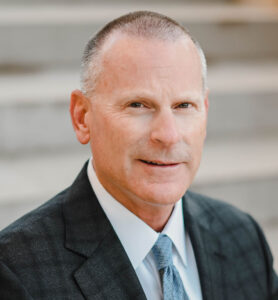
U.S. Representative Elissa Slotkin (D-MI) issued a press release Aug. 8 highlighting her introduction of the American Made Pharmaceuticals Acts that included a quote of support from MHA CEO Brian Peters. The bipartisan bill, introduced with U.S. Rep. Don …
 CMS Releases FY 2025 Final Rule for Skilled Nursing Facilities
 Michigan Supreme Court Issues Ruling on Paid Sick Leave & Minimum Wage





 Introducing New Infection Prevention Education