 Leaders Convene for Crucial Healthcare Workforce Discussion
 Leaders Convene for Crucial Healthcare Workforce Discussion
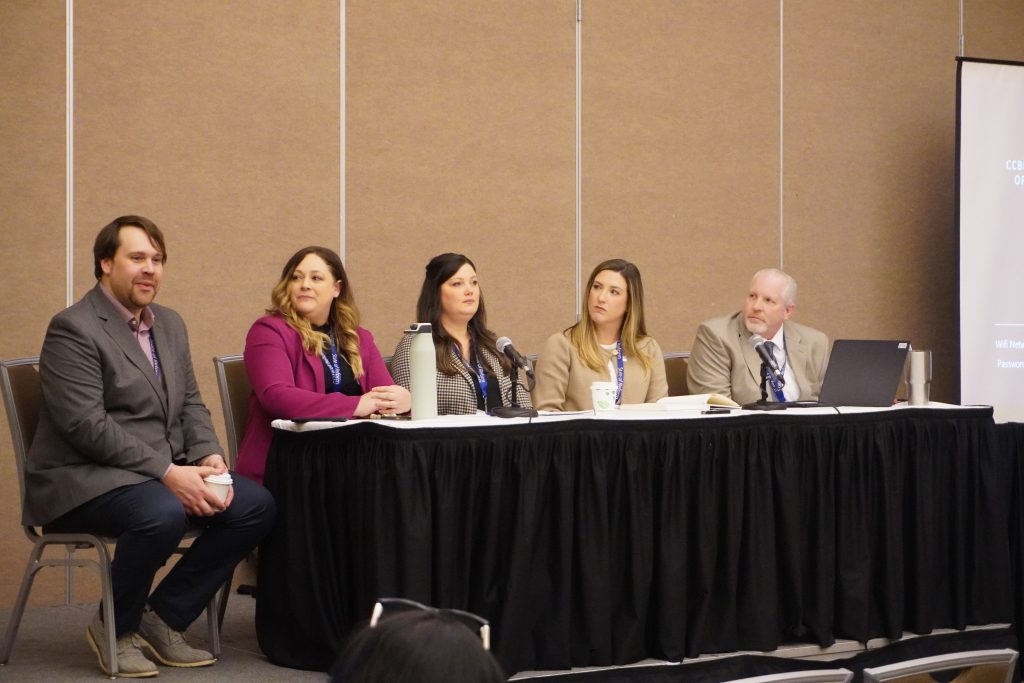
The MHA hosted nearly 150 thought leaders from healthcare, post-secondary education and workforce talent development Sept. 11 in Lansing for a discussion to help strengthen connections across the sectors focused on building the pipeline for …
MDHHS Issues Final Maternal Infant Health Services Policy
 MDHHS Issues Final Maternal Infant Health Services Policy
The Michigan Department of Health and Human Services (MDHHS) issued a final Medicaid Policy Bulletin Sept. 9 to expand coverage for Maternal Infant Health Program services. The final policy was issued in response …
2024 Election Materials Available for Michigan Hospitals
 2024 Election Materials Available for Michigan Hospitals
The MHA is offering election communication materials geared toward hospital staff, volunteers, patients and visitors to encourage voter participation in the 2024 general election. Additionally, the MHA elections webpage will be updated regularly with relevant …
Michigan Doula Advisory Council Membership Application Opens
The Michigan Doula Advisory Council (DAC) invites doulas across the state to apply for membership as its first council term ends in Dec. 2024. The DAC works to improve doula services in Michigan, particularly with …
What’s Ahead in Healthcare? Insights from the American Hospital Association
 What’s Ahead in Healthcare? Insights from the American Hospital Association
The MHA released a new episode of the MiCare Champion Cast featuring Rick Pollack, president and CEO of the American Hospital Association. Pollack joined MHA CEO Brian Peters to discuss a variety of topics …
Keckley Report
 The Presidential Debate will Frustrate Healthcare Voters
“The healthcare system per se is not a major concern to voters this year, but its affordability is. Out-of-pocket costs for prescription drugs, insurance premiums and co-pays and deductibles for hospitals and physician services are considered unreasonable and inexplicably high. They contribute to public anxiety about their financial security alongside housing and food costs. And majorities think the government should do more by imposing price controls and limiting corporate consolidation. …
Misinformation, disinformation and AI derived social media messaging are standard fare in winner-take-all politics. When used in addressing health issues and policies, they’re effective because the public’s basic level of understanding of the health system is embarrassingly low: studies show 4 in 5 American’s confess to confusion citing the system’s complexity and, regrettably, the inadequacy of efforts to mitigate their ignorance is widely acknowledged. Thus, terms like affordability, value, quality, not-for-profit healthcare and many others can be used liberally by politicians, trade groups and journalists without fear of challenge since they’re defined differently by every user. …
Long-term, the system will proceed incrementally. Bigger players will fare OK and others will fail. I remain hopeful thoughtful leaders will address the near and long-term future with equal energy and attention. Regrettably, the tyranny of the urgent owns the U.S. health system’s attention these days: its long-term destination is out-of-sight, out-of-mind to most. And the complexity of its short-term issues lend to magnification of misinformation, disinformation and public ignorance.
That’s why this debate will frustrate healthcare voters.”
MHA in the News
 MHA in the News
WWMT-TV Newschannel 3 aired a story Sept. 9 on the radiology workforce shortage in hospitals, including a shortage of radiologists and radiology technicians. MHA Executive Vice President Laura Appel was interviewed for the story, explaining …