Medicare & Medicaid Improve Michigan’s Health for 60 Years

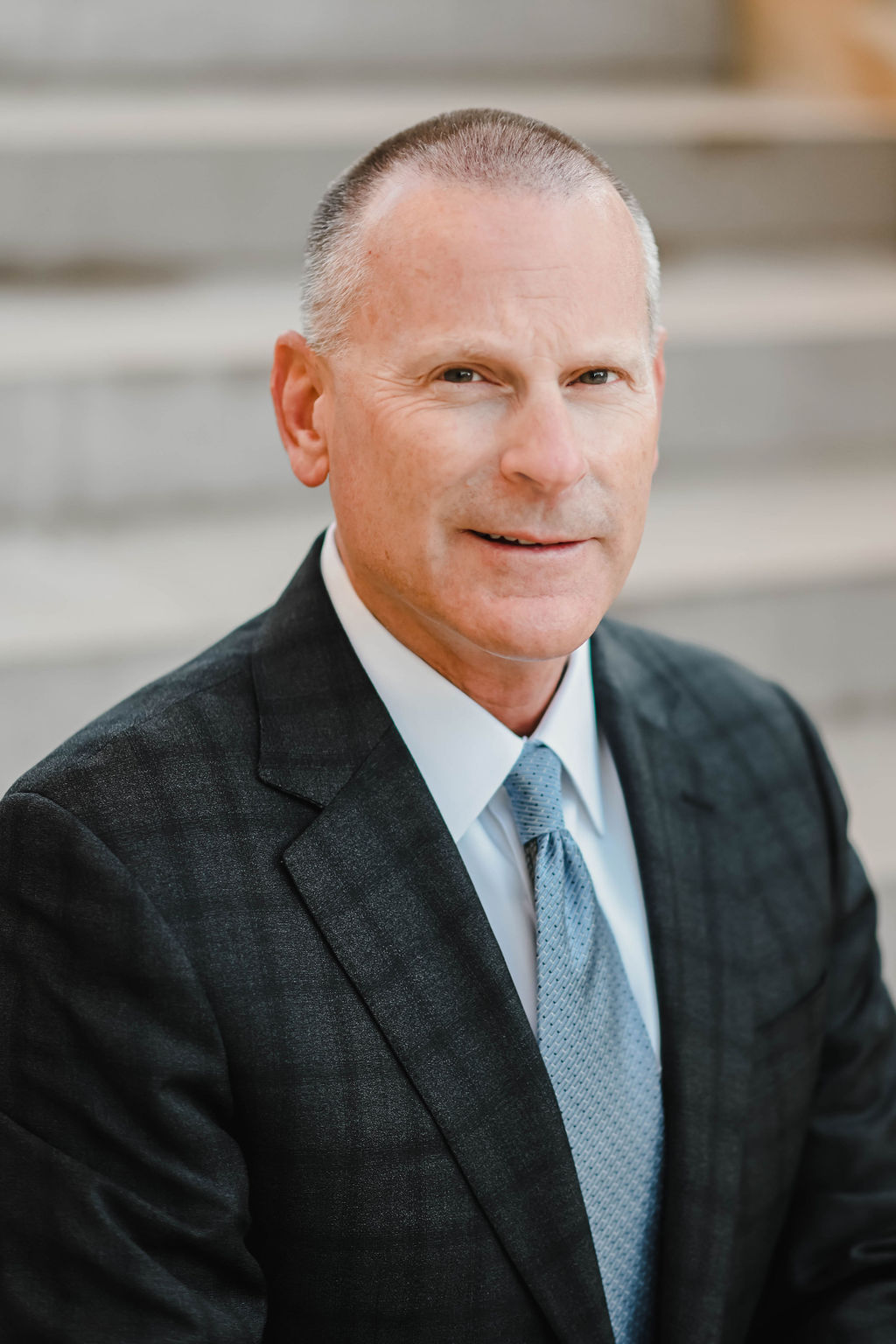
The following statement can be attributed to Brian Peters, CEO of the Michigan Health & Hospital Association.

Today marks the 60th anniversary of Medicare and Medicaid making a monumental difference in improving the health of Michiganders and supporting healthcare providers.

This anniversary reminds all of us about the value these programs bring to the health of our citizens and access to care throughout Michigan. At a time when the federal government has taken steps to limit these programs that will result in Michigan hospitals losing $6 billion over the next ten years, healthcare providers will continue to do everything in our power to protect these vital programs and the people they serve.

Nearly half of Michigan residents receive health coverage from these two insurance programs, and 40% of all babies born in the state every year are covered by Medicaid, demonstrating the reliance our state has on publicly available health insurance coverage. These programs help vulnerable Michiganders receive preventative care, cancer treatment, and important hospital and post-acute services during their time of need.

Our message to lawmakers is clear: act now to protect these programs before it is too late. If the harmful policies signed into law earlier this month come to pass, we will see less healthcare services offered in all areas of the state, more uninsured and sicker patients, and longer wait times in emergency departments.

The creation of these programs was a huge step forward for the health of our country. We can’t afford to go backwards by undermining Medicare and Medicaid and what they do for millions of Michiganders.

New PwC Report Warns of Rising Hospital Costs and Mounting Financial Pressure on U.S. Healthcare System

The Michigan Health & Hospital Association (MHA) is drawing attention to a new national report from PricewaterhouseCoopers (PwC) that outlines the severe financial challenges facing hospitals across the country that could soon jeopardize patient care if urgent policy action is not taken.

The report, Inflator: Hospital Costs, from Wages to Hospital Gowns, highlights the mounting pressures on hospitals due to surging costs, workforce shortages and skyrocketing demand for behavioral health services, all while proposed tax cuts and Medicaid funding reductions threaten to widen the gap between costs and revenue.

“This report confirms what hospitals in Michigan and across the country are living every day: skyrocketing costs, growing demand and shrinking margins,” said MHA CEO Brian Peters. “We cannot afford policies that slash Medicaid funding or shift more financial burden to hospitals and patients. Without sustainable support, hospitals – especially those in rural and underserved areas – face real threats of closure.”

Key findings from the PwC report include:

  • Hospital margins have plummeted, dropping from an average of 7% in 2019 to just 2.1% in 2024, with additional declines reported in early 2025.
  • Drug spending surged by $50 billion (11.4%) in 2024, more than double the increase seen in 2023, largely driven by high-cost therapeutics in chronic disease areas like oncology, obesity and diabetes.
  • Behavioral health claims soared, with inpatient claims increasing by 80% and outpatient claims by 40% over a two-year span, reflecting the intensifying behavioral health crisis.
  • Tariffs and supply chain challenges continue to drive up the cost of everyday medical supplies, compounding inflationary pressures.
  • Medicaid cuts and federal tax policies could force the closure of service lines at facilities that rely heavily on government payers, impacting access to care for all residents.

The report also outlines how hospitals are working to offset financial pressures by investing in revenue cycle improvements and value-based payment models. Still, the report emphasizes that system-wide stability will require collaboration between payers, providers, policymakers and employers, especially as rural hospitals face ongoing threats of closure.

The MHA is supporting Michigan hospitals facing these mounting challenges through the following actions:

  • Advocating to preserve and strengthen the federal 340B program, which enables hospitals to purchase outpatient medications at discounted rates, freeing up resources to serve low-income and uninsured patients.
  • Working with state policymakers to expand access to mental health and substance use treatment, reduce emergency department (ED) strain and support hospitals’ efforts to meet growing behavioral health needs. This includes Senate Bill 806, which expands the three-hour assessment responsibility by allowing clinically-qualified staff to conduct pre-admission screenings for behavioral health patients seeking care in the ED.
  • Leading efforts to expand the healthcare workforce pipeline through partnerships with post-secondary educators, awareness campaigns and recruitment and retention initiatives to help hospitals manage staffing costs while maintaining high-quality care.
  • Working to add Michigan to the Nurse Licensure Compact, allowing nurses to practice across state lines without the burden of obtaining additional licenses.
  • Advocating against Medicaid cuts and pushing for reimbursement rates that reflect the true cost of care, especially for safety net and rural hospitals that disproportionately rely on public payers.

The full report is available on the PwC website.

Medicaid Funding Cuts Are Disastrous for Michigan Healthcare

The following statement can be attributed to Brian Peters, CEO of the Michigan Health & Hospital Association.

The budget reconciliation bill passed by Congress is disastrous for access to care for Michiganders and the healthcare providers who care for them.

Cuts to funding are cuts to care. Limiting how states can fund their Medicaid programs puts Michigan in an extremely difficult position. If the state can no longer provide the same reimbursement, hospitals will be faced with difficult choices that will include eliminating service lines or even entire facilities. The added bureaucratic requirements for Michiganders to maintain their health insurance will also take away health insurance benefits from our neighbors, friends and family, resulting in increased uncompensated care for healthcare providers. In total, this bill will cost Michigan hospitals more than $6 billion in total Medicaid funding over the next ten years.

This bill is an attack on Medicaid, expanded health insurance coverage and healthcare access. We are extremely disappointed with the actions taken by Congress. Today is an extremely large step backwards for making and keeping our communities healthier.

MHA Meritorious Service Award Recognizes Bob Riney

Bob Riney, president and CEO, Henry Ford Health, accepts the MHA Meritorious Service Award at the MHA Annual Meeting.

The MHA announced the 2025 winner of its highest achievement award June 26 during the association’s Annual Membership Meeting. Receiving the award for his decades of healthcare leadership is Bob Riney, president and CEO, Henry Ford Health, Detroit.

Riney is honored for his decades of healthcare leadership, which spans more than 45 years of service at Henry Ford Health. Riney has been instrumental in the growth of Henry Ford Health and its role serving communities throughout Michigan and beyond during his tenure. Riney’s career with Henry Ford Health began in 1978 as a college student and has since evolved into many executive roles, including chief operating officer, chief administrative officer and chief human resources officer. Following his appointment as CEO in 2022, Henry Ford Health has executed several large projects.

Riney spearheaded a joint venture agreement with Ascension Michigan hospitals, uniting the two major health systems across southeast Michigan. This grew Henry Ford Health from five to 13 acute care hospitals; approximately 33,000 to 50,000 team members; and 250 to more than 550 sites of care, while expanding access to advanced clinical care and cutting-edge research for communities throughout Michigan and beyond.

Riney has also been key in the creation of Destination: Grand, which completely reimagines the Henry Ford Hospital campus in Detroit to improve the patient experience and drive medical innovation. It will include a new 20-story, 1.2-million-square-foot hospital facility with all private patient rooms, a new emergency department more than double the size of the existing one, 28 operating rooms and its own central energy hub, positioning it as one of the largest fully electric-capable hospitals in the country.

His involvement with the MHA spans 25 years, including working on various committees and issues that focus on the healthcare workforce, patient safety and board governance. Riney served on the MHA Board of Trustees for 14 years, including as chair during the 2016-17 MHA program year.

Riney is a graduate of Wayne State University and a lifelong Detroiter. He remains active on many community boards, including the Alfred I. duPont Charitable Trust, Detroit Zoological Society, M1 Rail Transit Authority, The Parade Company, Hudson-Webber Foundation, Caymich Insurance Company, Detroit Regional Chamber, Business Leaders for Michigan, Downtown Detroit Partnership, Detroit Regional Partnership, The Detroit Economic Club and Motown Museum. In addition, Riney is the 2026 Mackinac Policy Conference Chair.

Ludwig Community Benefit Award Honors Hospital Programs

The MHA announced the winners of its 2025 Ludwig Community Benefit Award during the association’s Annual Membership Meeting June 26. The honorees include programs supported by Corewell Health Lakeland Hospitals St. Joseph Hospital; Lake Huron Medical Center, Port Huron; and MyMichigan Health, Midland. The award is named in memory of Patric E. Ludwig, a former MHA president who championed investing in the community’s overall health. The award is presented to member organizations integrally involved in collaborative programs to improve the health and well-being of Michigan residents. Each winner will receive $5,000 from the MHA Health Foundation to reinvest in their programs.

Corewell Health in Southwest Michigan, in collaboration with the Michigan Public Health Institute’s Achieving Birth Equity Through Systems Transformation Taskforce, created the Corewell Health Center for Wellness (CHCW) in Benton Harbor to be a trusted resource to provide education in prenatal, childbirth and postnatal care in Southwest Michigan. The CHCW offers free childbirth education, breastfeeding support, safe sleep education, navigation to essential community resources and culturally informed guidance tailored to the unique needs of their community. The programs served 370 community members in 2024 with a 100% retention rate in classes. The number of families who maintained breastfeeding at two weeks post-partum through the program exceeded the national breastfeeding rate by 20 percentage points.

These results show how the CHCW enhances clinical outcomes and builds a resilient, empowered community where mothers and families can thrive. The childbirth educasstion classes are currently supported by a dedicated team that includes a certified childbirth educator, a community-based doula, a lactation consultant, a community health educator, a community health worker and a senior project specialist.

For more information on the taskforce, contact Kyna King, senior project specialist, Corewell Health in Southwest Michigan.

Lake Huron Medical Center, Port Huron, partners with the People’s Clinic for Better Health, which has been providing life-saving healthcare at no cost to the uninsured and under-insured in St. Clair County for more than 35 years. Located in the St. Clair County Community Mental Health, the clinic is open five days a week as both a free clinic and a Medicaid clinic, accepting patients who are 18 years or older, who are without insurance, or receive Medicaid coverage. The clinic offers routine health screenings, women’s health, non-emergency maintenance care of chronic illness, wellness checkups, specialist referrals, lab and radiology testing, diabetes education and benefits counseling.

The clinic works closely with community and social service partners to best serve its patients and improve health outcomes. The People’s Clinic for Better Health recently added a mobile unit, which goes to locations like the area soup kitchen to help the clinic reach further into the community.  Overall, 63% of patients reported an improvement in their health in 2024-25 and 97% of patients needing specialty referrals were referred to accepting service providers.

For more information on the People’s Clinic for Better Health, contact Mallory Moore, foundation director, Lake Huron Foundation.

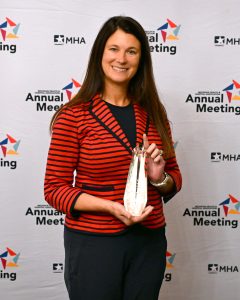
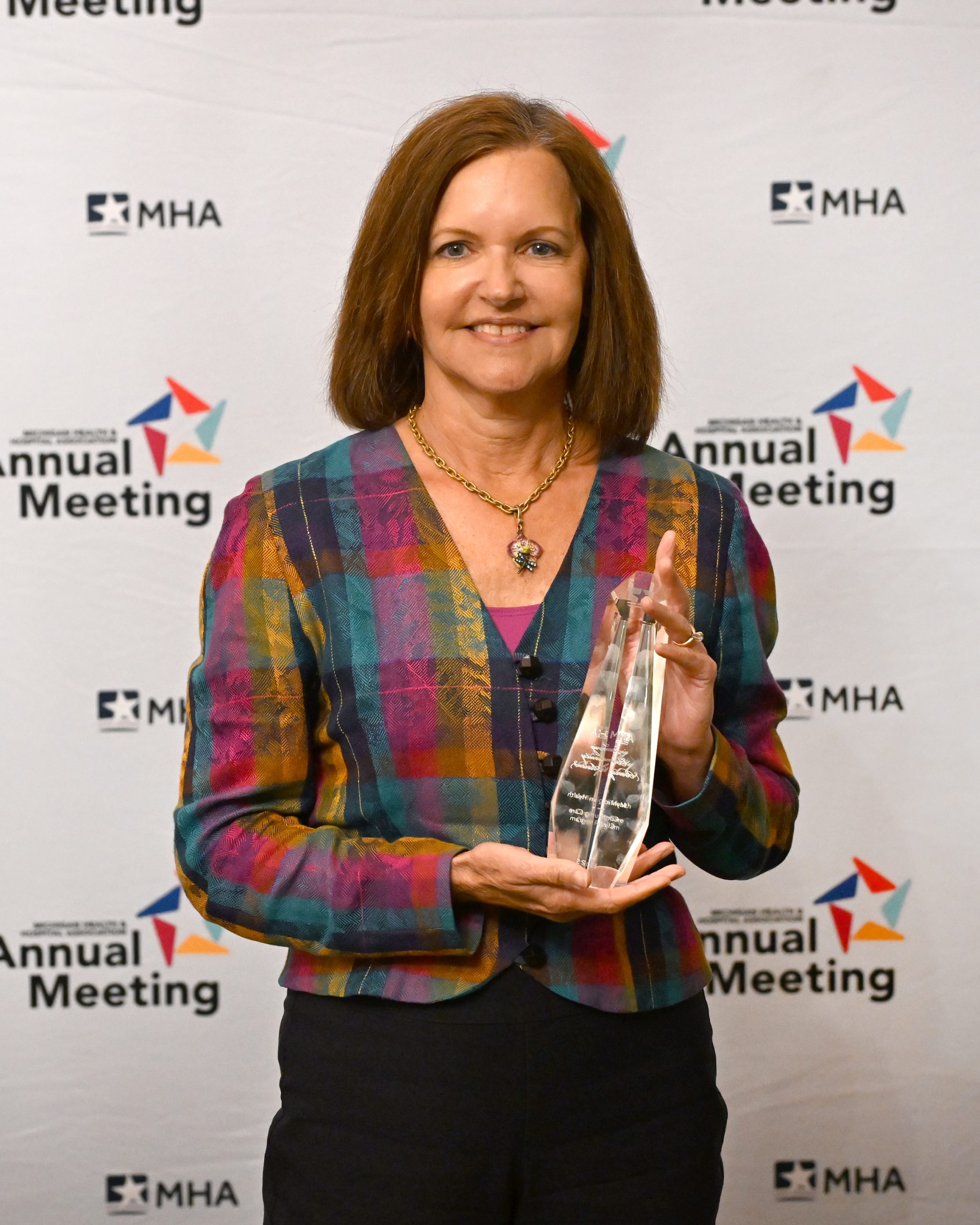
MyMichigan Health, Midland, established Continuing Care Clinics to reach the residents throughout MyMichigan Health’s 26-county service region who do not have timely access to a primary care physician. These clinics provide timely care during critical transitions in health, such as after discharge from a hospital, emergency department, long-term care facility or while patients are waiting to establish care with a new primary care provider. New patient appointments and transition-of-care visits are provided within seven days of discharge.

MyMichigan has been successful at reducing poor health outcomes, as patients receiving care through this model have a lower risk of readmission compared to those at other similar clinics in the community. The multidisciplinary team of clinicians creates personalized care plans that help patients successfully transition home and reduce the risk of readmission. Patients also receive referrals for preventative screenings, which further supports community wellness. The Continuing Care Clinics also work closely with community partners to improve patients’ ability to access essential resources, including food, transportation and medication delivery, which helps patients manage their health and improve their recovery.

Visit the MyMichigan Health website for more information about MyMichigan Health’s Continuing Care Clinics.

To learn more about the MHA’s annual Ludwig Community Benefit Award, contact Erin Steward at the MHA.
Healthcare Advocates Honored with MHA Special Recognition Award

The MHA announced six winners of its Special Recognition Award during the Annual Membership Meeting June 26, recognizing them for extensive contributions to healthcare. Each of the winners has uniquely influenced healthcare in Michigan. The winners include T. Anthony Denton, senior vice president and chief environmental, social and governance officer, Michigan Medicine; U.S. Rep. Debbie Dingell (D-Ann Arbor); Rep. Phil Green (Watertown Township); Rep. Alabas Farhat (D-Dearborn); Nancy McKeague, executive vice president of operations, MHA; and Ruthanne Sudderth, senior vice president and chief strategy officer, MHA.

T. Anthony Denton, Michigan Medicine

Denton is a former chair of the MHA Board of Trustees and commissioner of The Joint Commission. Denton has served in many leadership capacities during his 44 years with Michigan Medicine, including chief operating officer and acting CEO. In his current role, he is the senior executive responsible for master facility planning to advance patient access to care and guides Michigan Medicine’s environmental sustainability and carbon neutrality efforts. In addition, Denton facilitates a collaborative multi-sector community health model to improve health outcomes through enhanced community presence and impact initiatives and leads assessments to inform appropriate modification of governance models across the system. Before serving in health care administration, Denton began his career in human resources. His tenure on the MHA Board of Trustees ended in 2024 after 10 years of service.

U.S. Rep. Debbie Dingell (D-Ann Arbor)

Rep. Dingell has been a healthcare champion throughout her time in Congress, currently serving as a member of the Energy and Commerce Committee, where she has led on critical issues, including affordable and accessible healthcare. Since joining Congress in 2015, Dingell has been a strong advocate for improving healthcare access for all populations. She has also been a supporter of rural emergency hospitals, the 340B program and Medicaid funding.

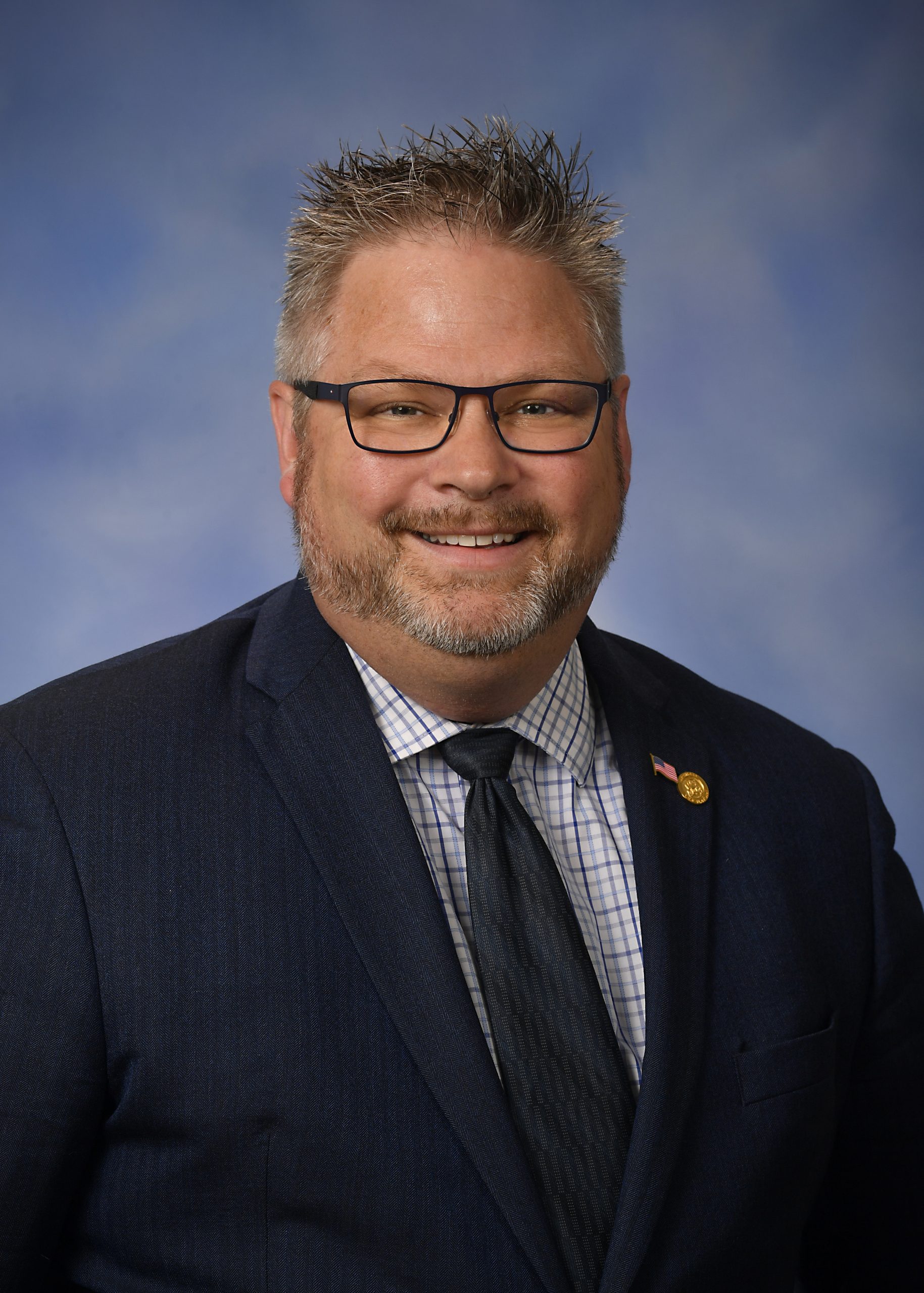
Rep. Phil Green (Watertown Township)

Since being elected to state office in 2018, Rep. Green has been an advocate for state funding that ensures Michigan residents have
access to the care they need. He introduced the interstate nurse licensure compact during the 2023-24 legislative session and helped defeat legislation that would have instituted harmful government-mandated staffing ratios. Before that, he leveraged his role on the House Appropriations Committee to provide additional funding for maternal health, Medicaid reimbursements and behavioral health. He was also one of the key leaders who secured $300 million in funding to support the recruitment, retention and training of healthcare workers in 2022 and 2023. Green currently chairs the House Appropriations Subcommittee on Public Health, serves as the vice chair on the House Appropriations Subcommittee on Medicaid and Behavioral Health, and sits on the House Appropriations Committee.

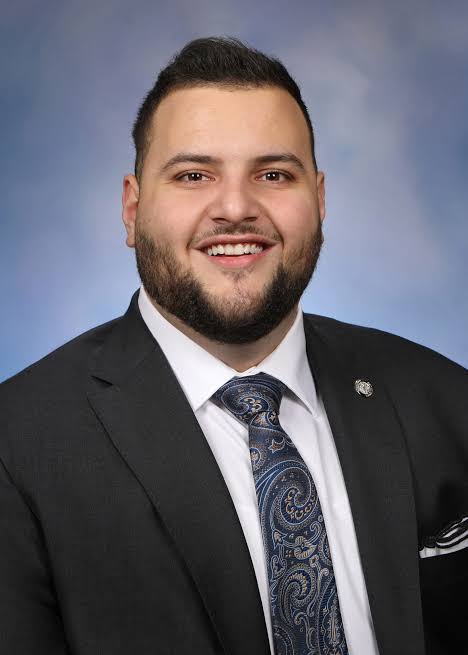
Rep. Alabas Farhat (D-Dearborn)

Rep. Farhat has been a strong advocate for healthcare and public health legislation in the state House of Representatives since being elected in 2022. He has a strong academic background in public health, having earned a bachelor’s degree in public health from the University of Michigan-Dearborn. As a legislator, Farhat has been a staunch advocate for the 340B program, as he was the lead sponsor of state-level protections for 340B covered hospitals, including testifying in support of the 340B program in the House Insurance Committee. His groundwork led to a successful vote in favor of 340B protections in the Michigan Senate this past December. Rep. Farhat also has been a champion for access to affordable prescription medications and better maternal health outcomes. He passed legislation in 2023 to ensure fair reimbursement rates for pharmacy operators under the state’s Medicaid plan.

Nancy McKeague, MHA

Nancy McKeague is retiring July 4 from her role as Chief Operating Officer for the MHA. A former member of legislative staff in both the Michigan House and Senate, she has more than 30 years of experience in government relations and non-profit association management. Specializing in labor, insurance, employment law, employee benefits and organizational development, she has been active in legislative and regulatory issues at both the state and federal levels and frequently testified as a subject matter specialist. McKeague has been a tremendous asset for hospitals and the MHA in navigating labor and workforce challenges.

Ruthanne Sudderth, MHA

Ruthanne Sudderth is the Senior Vice President and Chief Strategy Officer at the MHA. In this role, she has provided strategic planning and oversight of the MHA Service Corporation, overseen communications and marketing functions for all of MHA, led vaccine work and managed the association’s workforce development efforts. Ruthanne also led the association’s community giving efforts, overseeing the distribution of all external sponsorship dollars going to support health and wellness efforts around the state. In addition, Sudderth served as the president of the Upper Peninsula Hospital Council. Sudderth has played a key role in modernizing the association’s approach to fully embrace social media and podcasting platforms, building impactful coalitions and effectively amplifying the voice of hospitals to elected officials and key stakeholders and growing the MHA’s Endorsed Business Partner program. Sudderth is moving on to a new opportunity outside of the MHA, with her last day being July 4.

Health & Hospital Association Elects 2025-2026 Officers and Board Members

2025-26 MHA Board Chair Bill Manns

Members of the Michigan Health & Hospital Association (MHA) elected new officers and appointed board members during the association’s Annual Membership Meeting June 25. Officers of the 2025-2026 MHA Board of Trustees include Bill Manns, chair; Brittany Lavis, chair-elect; and Kent Riddle, treasurer. In addition, Brian Peters was reappointed to serve an indefinite term of office as CEO of the association. The board directs the Greater Lansing-based association’s statewide representation of hospitals and healthcare providers.

Manns, president and CEO, Bronson Healthcare, Kalamazoo, will serve as chair during the association’s 2025-2026 program year beginning July 1. The terms of service of Lavis, Group CEO, Detroit Medical Center & Children’s Hospital of Michigan; and Riddle, president and CEO, Mary Free Bed Rehabilitation, Grand Rapids, will also span the 2025-2026 program year. Julie Yaroch, DO, president, ProMedica Charles and Virginia Hickman Hospital, Adrian, will serve as immediate past chair.

MHA CEO Brian Peters

“Not just the MHA but the entire state owes a debt of gratitude to Dr. Yaroch for her service and leadership on behalf of Michigan hospitals during this past program year,” said MHA CEO Brian Peters. “Michigan hospitals have the resources they need to care for patients 24/7, year-round because of Dr. Yaroch and the unity of our membership. I’m extremely excited to continue our mission of advancing the health of individuals and communities with our incoming chair Bill Manns, who I have full confidence will continue our legacy of Michigan hospitals working together to make Michigan a better place.”

Tonya Darner, CEO, UP Health System, Marquette, was appointed as a trustee at-large for a one-year term.

Dr. Yaroch was reappointed for a three-year term on the 2025-2026 MHA Board of Trustees as a trustee at-large, as were the following individuals:

  • Karen Cheeseman, president and CEO, Mackinac Straits Health System, St. Ignace
  • Saju George, Regional CEO, Prime Healthcare
  • Gregory R. Lane, executive vice president and chief administrative officer, McLaren Health Care, Grand Blanc

Continuing to serve their current terms of service as trustees at-large are:

  • Beth Charlton, BSN, RN, MSA, president and CEO, Covenant HealthCare, Saginaw
  • Mark Eastburg, PhD, president and CEO, Pine Rest Christian Mental Health Services, Grand Rapids
  • Jeremiah J. Hodshire, president and CEO, Hillsdale Hospital
  • David Miller, MD, MPH, president, University of Michigan Health, and executive vice dean for clinical affairs, UM Medical School, Ann Arbor
  • Adnan Munkarah, MD, president, clinical enterprise, and chief physician executive, Henry Ford Health, Detroit
  • Ed Ness, president and CEO, Munson Healthcare, Traverse City
  • Shannon Striebich, president and CEO, Trinity Health Michigan
  • Lydia Watson, MD, president and CEO, MyMichigan Health, Midland
  • Lamont Yoder, RN, president, Corewell Health Southeast Michigan, Southfield

Veiled Attacks on Hospitals by Secretive Special Interests are Growing Tired

The following statement can be attributed to Brian Peters, CEO of the Michigan Health & Hospital Association.

Today’s Michigan Healthcare Purchaser’s Coalition publication on hospital margins is just another attempt by a secretive special interest group, hiding behind the veil of claiming to represent the employer community at large, to smear hospitals for being able to keep their doors open. Hospitals are committed to providing safe, high quality, affordable care in every community they serve. Hospitals save lives and put patients first – not profits. Hospitals have and continue to welcome conversations with actual employers, large and small, community members and legitimate business groups about healthcare pricing, access and quality so that they can work together on solutions, rather than spending time responding to blatantly misleading reports like this one.

Not only is this report published by a group that does not disclose on its website who is funding it or who it claims as members (or what their profit margins are), but its methodology based on the National Academy for State Health Policy’s Hospital Cost Tool is flawed. This report does not use the industry-standard method for calculating operating margins; it fails to account for costs associated with running a hospital. In the latest RAND Hospital Price Transparency study, Michigan has the third lowest average commercial price relative to Medicare in the entire country and one of just five states with case mix-adjusted hospital prices below 200% of Medicare prices. Lastly, the Kaiser Family Foundation in December 2024 published a study which found Michigan was one of only four states in the country where hospitals had, on average, a negative margin.

As always, we welcome open and transparent conversations about what is driving hospitals’ cost structures, such as:

  • Good workers who can take care of you and save your life demand, and deserve, high wages. According to Lightcast data, advertised salaries for registered nurses have grown 26.6% faster than the rate of inflation over the past four years.
  • People are sicker and need more care. Emergency department visits related to heart failure increased 126.7% per capita between 2010 and 2019, with associated spending growing 177.2%.
  • Medicare reimbursement continues to lag behind inflation — covering just 83 cents for every dollar spent by hospitals in 2023, resulting in over $100 billion in underpayments, according to the American Hospital Association (AHA) analysis of AHA Annual Survey data. Comparing commercial prices to government reimbursement, which has almost never even come close to covering what it costs a hospital to deliver that care, is irresponsible and misleading.

If the Michigan Healthcare Purchaser’s Coalition wants a transparent conversation about the price of healthcare, we again extend an invitation to their leadership and members, whoever they are, to have a solutions-focused dialogue together. Unfortunately, their continued public attacks using bad information indicates their true intention isn’t more affordable healthcare; it’s to bash community hospitals and the 220,000 workers taking care of Michigan patients.

Healthcare Makes $100+ Billion Impact to Michigan’s Economy

Healthcare Remains the Largest Private-Sector Employer in Michigan & Demand for Healthcare Jobs Remains High

The Michigan Health & Hospital Association published results from the 2025 Economic Impact of Healthcare in Michigan report as part of National Hospital Week (May 11-17), demonstrating a $106 billion total economic impact healthcare had in fiscal year 2023, the most recent data available.

More than one million jobs are either directly, indirectly or induced by healthcare in the state, contributing $79 billion a year in wages, salaries and benefits and an additional $23.6 billion a year in tax revenue. Hospitals alone provide more than 222,000 direct jobs and $10.7 billion a year in tax revenue, representing 44% of healthcare’s direct tax revenue and remaining the largest healthcare sector in the state. Overall, healthcare remains the state’s largest employer of direct, private-sector jobs.

Also released are the results from the MHA’s third annual Michigan hospital workforce survey, which shows the demand for hospital workers remains high, with hospitals hiring 58,000 employees in calendar year in 2024 and having 23,000 open positions statewide. The survey includes responses from more than 95% of all Michigan acute-care inpatient hospitals.

The results also show Michigan hospitals continue to outperform national nurse retention rates. The registered nurse (RN) turnover rate for Michigan hospitals is 2.3 percentage points lower than the national average of 16.4%. Collectively, Michigan hospitals now employ roughly 64,500 RNs.

“The success of Michigan’s economy is closely connected with the strength of our healthcare system,” said Michigan Health & Hospital Association CEO Brian Peters. “Healthcare is the foundation for many local communities. As Michigan ages and more individuals need complex care, the demand for healthcare services and workers continues to grow – and hospitals must meet that demand. As we celebrate National Hospital Week, we commend the hospital workers who show up to work every day to care for us and make Michigan healthy.”

To complement the hiring efforts of individual hospitals, the MHA continues to operate the statewide MI Hospital Careers public awareness campaign. Originally launched in 2023, it targets Michigan students and professionals considering a career change to express the value of healthcare careers.

The 20th edition of The Economic Impact of Healthcare in Michigan was compiled using IMPLAN® cloud software to quantify healthcare’s significant economic impact in the state. The data represents direct, indirect[1] and induced[2] healthcare jobs; taxes paid by those workers and their employers; and salaries, wages and benefits earned. The report is an online, interactive tool that allows users to examine these economic impacts from a statewide perspective and by region, county or congressional district. It is available at www.economicimpact.org.

[1] Indirect jobs are those created to support a larger employer or industry (for example, a laundry that cleans linens for a hospital).

[2] Induced jobs are those created by the spending of people who work in the indirect jobs (for example, a restaurant waiter who serves the laundry workers).

Protect MI Care Coalition Partners Share Majority of Michiganders Oppose Medicaid Cuts

The MHA joined other Protect MI Care Coalition partners in releasing public polling results that show 83% of Michiganders want to see Medicaid spending increased or kept the same as Congress considers cutting hundreds of billions of dollars from the Medicaid Program.

The MHA joined the Community Mental Health Association of MichiganMichigan Association of Health Plans and Michigan Primary Care Association in commissioning the public polling from EPIC-MRA, which was shared through the new Protect MI Care coalition that was created to protect the federal Medicaid program from potential funding cuts.

Other results include:

  • 82% of Michigan residents oppose cutting Medicaid spending to pay for tax cuts.
  • 86% of Michigan residents feel Medicaid is important for people in their local community.
  • 76% express Medicaid is important for their family members and friends.

The results are featured in a stories published by Crain’s Detroit Business, WLNS 6 News and Gongwer.

Separate the from the public polling release, FOX 47 published a segment May 7 on Medicaid funding cuts with MHA Executive Vice President Laura Appel. This interview is part of a series of local TV news spots the MHA is recording to raise awareness of the funding threat.

The Protect MI Care coalition was launched April 17 and is made up of more than 140 organizations across a variety of sectors, including healthcare, education and community organizations. The MHA is one of eight groups serving on the coalition’s steering committee, providing direction and guidance to the coalition’s activities. Other steering committee members include the Michigan League for Public Policy and previously mentioned associations.

The coalition website includes advocacy tools, news updates and social media links to assist members of the public and participating groups in their advocacy efforts.

Gov. Gretchen Whitmer also release a report May 8 from the Michigan Department of Health and Human Services about the potential consequences of proposed Medicaid cuts. The report estimates limiting provider taxes would lead to a $2.3 billion decrease in payments to hospitals and imposing Medicaid work requirements would cost the state between $75 million to $155 million a year to implement a reporting program. In addition, converting to a block grant or a per-capita cap system would result in the loss of $4.1 billion to $13.4 billion for Michigan over the next decade.

MHA members are encouraged to continue to use the MHA’s action alert to contact their member of Congress and express the importance of protecting Medicaid from any funding cuts.

Members with any questions regarding media requests should contact John Karasinski at the MHA.