Media Recap: Hospital Cost Pressures and Behavioral Health Partnerships

Lauren LaPine

The MHA received media coverage the week of Aug. 4 on hospital cost pressures, behavioral health partnerships and the impact of Medicaid cuts.

Gongwer published a story Aug. 4 about a PricewaterhouseCoopers report that reviews the trends in the medical sector that are continuing to result in higher costs for services that are placing growing pressure on hospitals. The report shows that factors that include growth in drug spending and reductions in federal funding are leading to decreased hospital margins.

“This report confirms what hospitals in Michigan and across the country are living every day: skyrocketing costs, growing demand and shrinking margins,” said MHA CEO Brian Peters. “We cannot afford policies that slash Medicaid funding or shift more financial burden to hospitals and patients. Without sustainable support, hospitals – especially those in rural and underserved areas – face real threats of closure.”

Second Wave Michigan also published an article Aug. 5 about behavioral health partnerships that hospitals have in the state. The story looks at both policy solutions such as Senate Bill 316, as well as the partnership between Network180 and Trinity Health Grand Rapids in establishing The Behavioral Health Crisis Center to divert patients in crisis from emergency departments and jails.

Lauren LaPine“If you come to a hospital emergency department and you’re in some level of a behavioral health crisis, that hospital has to work with the CMH in the area where the patient lives,” said Lauren LaPine, senior director of legislative and public policy, MHA. “That takes a lot of time and a lot of coordination.”

MLive and Michigan Public also published stories that include mentions of the MHA following U.S. Sen. Elissa Slotkin’s visit to Helen DeVos Childre’s Hospital. The stories reference the MHA’s estimate that Michigan hospitals will lose $6 billion over the next ten years from the One Big Beautiful Bill Act.

Members with any questions regarding media requests should contact John Karasinski at the MHA.

MHA Webinars Share Ways Virtual Care and New Recruitment Models Support PFE

The MHA will host two webinars May 2 and May 30 on virtual care and recruitment models in healthcare that support person and family engagement (PFE). It is through dialogue, relationship building and shared decision-making among patients, caregivers and healthcare staff that the best clinical outcomes and satisfaction is achieved. The MHA Person & Family Engagement Roadmap outlines the research and tools proven to result in optimal outcomes. This research is the foundation for the two upcoming webinars. Both webinars are noon to 1 p.m. and approved for nursing and social work credit (please visit the Accredited Continuing Education Accreditation Statement online for details).

 The webinar Virtual Care Models that Improve Engagement and Support Staff on May 2 will be led by leaders from Henry Ford Health and Trinity Health Grand Rapids, who will outline recommendations and support from leadership, nursing and patient experience teams for virtual care and the outcomes demonstrating its value.

The webinar Recruitment Models that Grow a Strong and Patient-Centered Workforce on May 30 will be led by leaders from Covenant Healthcare and McLaren Northern Michigan, who will discuss nursing internships and patient care tech programs that provides valuable clinical experience, fostering a sense of value among participants. The webinar will also share details about a program for high school students that aims to spark interest in careers across clinical and nonclinical healthcare roles.

Registration is free of charge for MHA member organizations. Members may contact Erin Steward with questions about the MHA Person & Family Engagement Roadmap or webinars.

MHA Panelists Featured During 2024 State of Reform Health Policy Conference

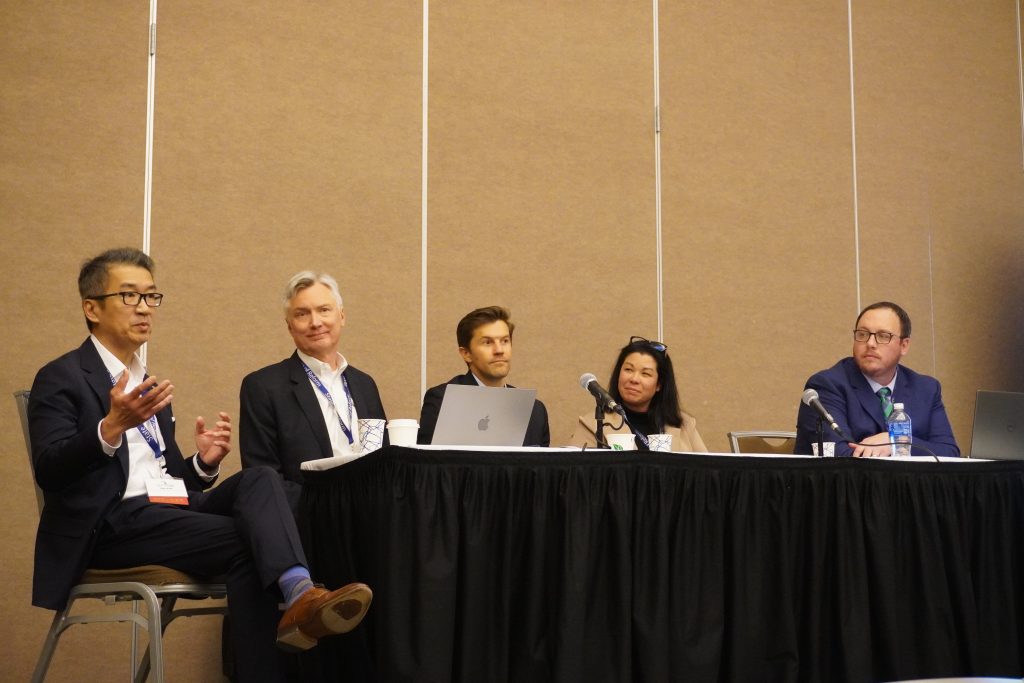
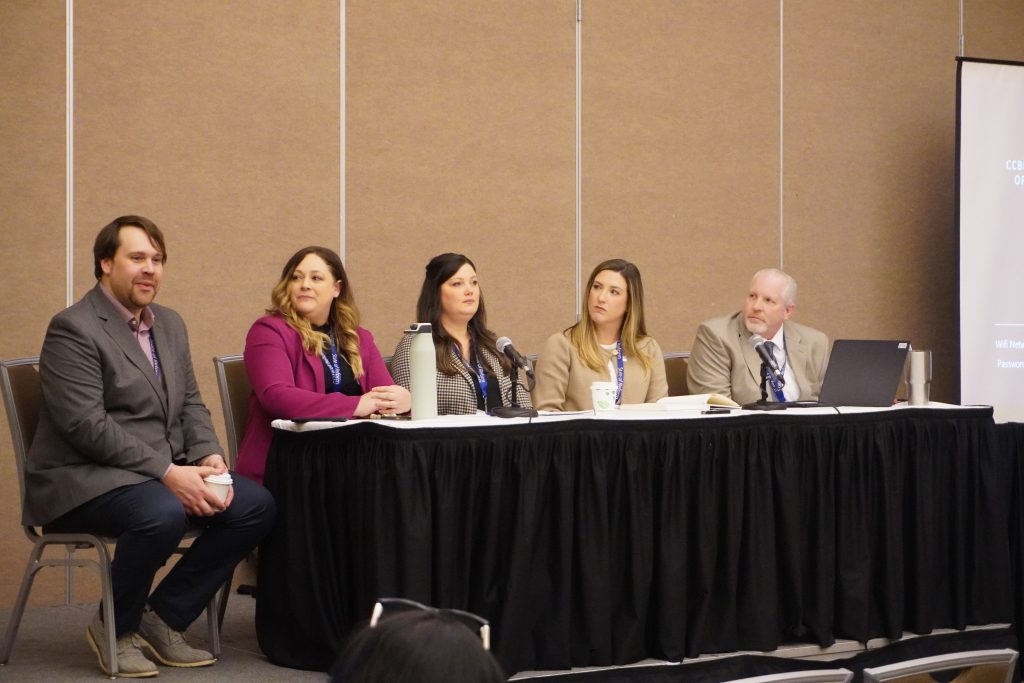
MHA staff participated in panel discussions April 4 during the 2024 State of Reform Health Policy Conference in Lansing, MI. MHA speakers included Laura Appel, executive vice president of government relations and public policy; Jim Lee, senior vice president, data policy & analytics; Adam Carlson, senior vice president, advocacy; and Lauren LaPine, senior director, legislative and public policy. Each provided valuable insight on the issues important to hospitals and the role of public policy in identifying solutions.

Topics of discussion included workforce shortages, artificial intelligence, depleted American Rescue Plan Act funding and certified community behavioral health clinics.

Other MHA members participating in the event included Tawana Nettles-Robinson, executive director, Detroit market, Trinity Health Michigan and Michelle Pena, MSN, RN, NEA-BC, chief nursing officer, Trinity Health Grand Rapids. Nettles-Robinson discussed health disparities while Pena focused on workplace violence. Seth Karnes, senior director of risk, consulting and training at HSS, an MHA Endorsed Business Partner, was a guest speaker on the workplace violence panel to share national insights and perspectives. Members may contact HSS to learn more about active violence training, risk assessments, de-escalation training and more.

Members with questions may contact John Karasinski at the MHA.