

Michigan hospitals urged lawmakers to reject House Bills (HBs) 6116-6119 during testimony before the House Government Operations Committee June 25, warning the legislation would worsen healthcare affordability challenges and jeopardize access to care across the state.
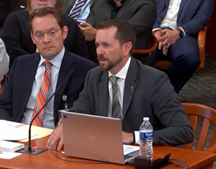
Adam Carlson, senior vice president, advocacy, MHA, and Ben Frederick, associate vice president, advocacy, government relations and business development, Memorial Healthcare, testified before the committee. Their testimony outlined how HBs 6116-6119 could increase costs and threaten access to care by forcing service reductions, workforce reductions and hospital closures, particularly in rural communities.
Hospitals across Michigan are already under significant financial strain, with nearly a quarter operating at a loss and several at risk of closing. If enacted, the bills would double the number of hospitals operating in the red, bringing the total to 54. Existing cuts to Medicaid reimbursement and reductions in enrollment are already projected to reduce hospital funding by more than $6.5 billion over the next six years. The proposed government price controls and administrative requirements would intensify those challenges while removing an additional $2.3 billion from Michigan hospitals each year. The projected impact includes an estimated loss of 21,600 hospital jobs, including 9,000 registered nurse positions.
Communities are the true shareholders of Michigan hospitals, with reinvestment reflected in quality, access to care and local services. The MHA firmly opposes the bills and encourages hospitals, community stakeholders and members to share the MHA action alert and communicate with state lawmakers regarding the potential impact these proposals could have on communities, patients, healthcare workers and access to care.
Michigan ranks third-lowest nationally in hospital prices relative to Medicare, while hospitals contribute nearly $11 billion in state tax revenue. The financial pressures facing hospitals were underscored June 16 when the 101-year-old nonprofit Sturgis Hospital announced plans to close because of ongoing financial challenges. The MHA urges lawmakers to prioritize working with hospitals, providers and other healthcare stakeholders on solutions that lower costs without putting patient care and local economies at risk.
Members with questions may contact the MHA advocacy team.