The 103rd Michigan Legislature resumed session for the 2025-26 term during the week of Jan. 12, with the MHA continuing to work with lawmakers on initiatives that prioritize patients, providers, and hospitals and improve the health of communities across the state.
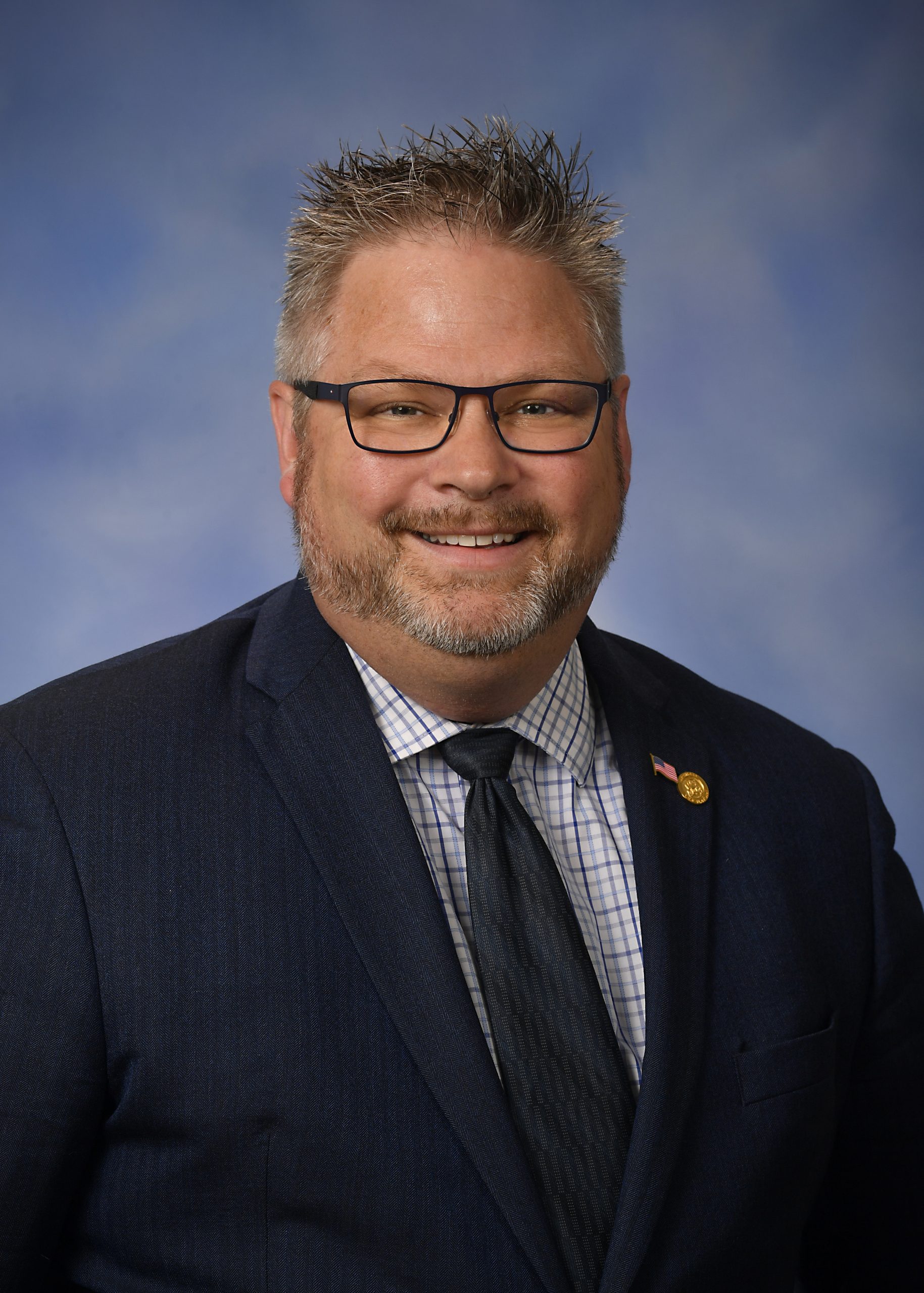
The House Rules Committee voted in support of House Bill (HB) 4925 and HB 4896 on Jan. 15. The bills, introduced by Rep. Phil Green (R-Watertown Township) and Rep. Jason Woolford (R-Howell) respectively, would create a new pathway for certain internationally educated physicians to practice medicine in Michigan. The MHA supported this legislation in committee after securing key amendments. The bills now move to the full House for consideration.
Legislation to waive the collection of improper unemployment benefits cleared the Michigan Senate in a unanimous vote, while bills creating a new pathway for internationally educated physicians advanced in the House during the week of Dec. 8.
Senate Bill 700, sponsored by Sen. Darrin Camilleri (D-Trenton), would prohibit the Michigan Unemployment Insurance Agency from recouping improperly paid unemployment insurance benefits caused by administrative errors after a three-year period. The MHA worked with stakeholders in the business community to secure key changes to the bill to ensure employers are not held financially liable through the 100% employer-funded unemployment insurance trust. The Senate passed the amended bill unanimously on Dec. 9 and referred it to the House Appropriations Committee for further consideration.
Legislation that would create a pathway for internationally educated physicians to practice in Michigan was reviewed by the House Rules Committee on Dec. 11. House Bills 4925 and 4896, introduced by Rep. Phil Green (R-Watertown Township) and Rep. Jason Woolford (R-Howell), are supported by the MHA following amendments made during the legislative process. The bills remain in the House Rules Committee for a vote before advancing to the full House chamber.
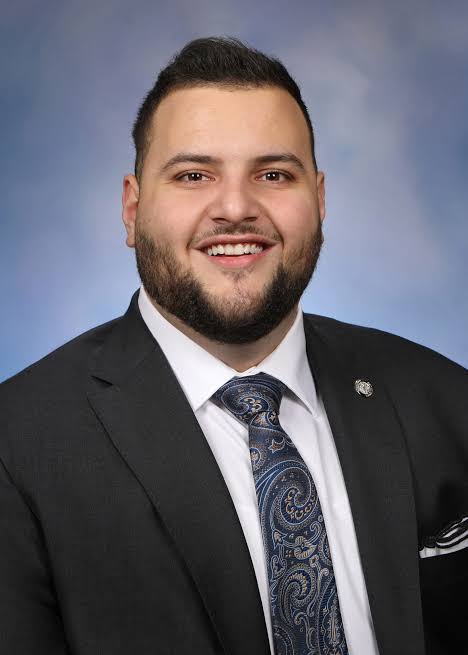
The MHA announced six winners of its Special Recognition Award during the Annual Membership Meeting June 26, recognizing them for extensive contributions to healthcare. Each of the winners has uniquely influenced healthcare in Michigan. The winners include T. Anthony Denton, senior vice president and chief environmental, social and governance officer, Michigan Medicine; U.S. Rep. Debbie Dingell (D-Ann Arbor); Rep. Phil Green (Watertown Township); Rep. Alabas Farhat (D-Dearborn); Nancy McKeague, executive vice president of operations, MHA; and Ruthanne Sudderth, senior vice president and chief strategy officer, MHA.
T. Anthony Denton, Michigan Medicine
Denton is a former chair of the MHA Board of Trustees and commissioner of The Joint Commission. Denton has served in many leadership capacities during his 44 years with Michigan Medicine, including chief operating officer and acting CEO. In his current role, he is the senior executive responsible for master facility planning to advance patient access to care and guides Michigan Medicine’s environmental sustainability and carbon neutrality efforts. In addition, Denton facilitates a collaborative multi-sector community health model to improve health outcomes through enhanced community presence and impact initiatives and leads assessments to inform appropriate modification of governance models across the system. Before serving in health care administration, Denton began his career in human resources. His tenure on the MHA Board of Trustees ended in 2024 after 10 years of service.
U.S. Rep. Debbie Dingell (D-Ann Arbor)
Rep. Dingell has been a healthcare champion throughout her time in Congress, currently serving as a member of the Energy and Commerce Committee, where she has led on critical issues, including affordable and accessible healthcare. Since joining Congress in 2015, Dingell has been a strong advocate for improving healthcare access for all populations. She has also been a supporter of rural emergency hospitals, the 340B program and Medicaid funding.
Rep. Phil Green (Watertown Township)
Since being elected to state office in 2018, Rep. Green has been an advocate for state funding that ensures Michigan residents have
access to the care they need. He introduced the interstate nurse licensure compact during the 2023-24 legislative session and helped defeat legislation that would have instituted harmful government-mandated staffing ratios. Before that, he leveraged his role on the House Appropriations Committee to provide additional funding for maternal health, Medicaid reimbursements and behavioral health. He was also one of the key leaders who secured $300 million in funding to support the recruitment, retention and training of healthcare workers in 2022 and 2023. Green currently chairs the House Appropriations Subcommittee on Public Health, serves as the vice chair on the House Appropriations Subcommittee on Medicaid and Behavioral Health, and sits on the House Appropriations Committee.
Rep. Alabas Farhat (D-Dearborn)
Rep. Farhat has been a strong advocate for healthcare and public health legislation in the state House of Representatives since being elected in 2022. He has a strong academic background in public health, having earned a bachelor’s degree in public health from the University of Michigan-Dearborn. As a legislator, Farhat has been a staunch advocate for the 340B program, as he was the lead sponsor of state-level protections for 340B covered hospitals, including testifying in support of the 340B program in the House Insurance Committee. His groundwork led to a successful vote in favor of 340B protections in the Michigan Senate this past December. Rep. Farhat also has been a champion for access to affordable prescription medications and better maternal health outcomes. He passed legislation in 2023 to ensure fair reimbursement rates for pharmacy operators under the state’s Medicaid plan.
Nancy McKeague, MHA
Nancy McKeague is retiring July 4 from her role as Chief Operating Officer for the MHA. A former member of legislative staff in both the Michigan House and Senate, she has more than 30 years of experience in government relations and non-profit association management. Specializing in labor, insurance, employment law, employee benefits and organizational development, she has been active in legislative and regulatory issues at both the state and federal levels and frequently testified as a subject matter specialist. McKeague has been a tremendous asset for hospitals and the MHA in navigating labor and workforce challenges.
Ruthanne Sudderth, MHA
Ruthanne Sudderth is the Senior Vice President and Chief Strategy Officer at the MHA. In this role, she has provided strategic planning and oversight of the MHA Service Corporation, overseen communications and marketing functions for all of MHA, led vaccine work and managed the association’s workforce development efforts. Ruthanne also led the association’s community giving efforts, overseeing the distribution of all external sponsorship dollars going to support health and wellness efforts around the state. In addition, Sudderth served as the president of the Upper Peninsula Hospital Council. Sudderth has played a key role in modernizing the association’s approach to fully embrace social media and podcasting platforms, building impactful coalitions and effectively amplifying the voice of hospitals to elected officials and key stakeholders and growing the MHA’s Endorsed Business Partner program. Sudderth is moving on to a new opportunity outside of the MHA, with her last day being July 4.
Numerous healthcare bills including the Nurse Licensure Compact, Interstate Medical Licensure Compact and the Michigan Department of Health & Human Services (MDHHS) budget advanced in the Michigan Legislature during the week of May 12.
House Bill (HB) 4246, sponsored by Rep. Phil Green (R-Millington), passed out of the House Health Policy Committee this week and will now move to the House Rules Committee for further consideration. HB 4246 adds Michigan to the Nurse Licensure Compact agreement and allows for nurses to practice in multiple states without the burden of applying for additional licenses. For Michigan, joining the Compact will help increase access to care, especially through telehealth services and support nurse recruitment and retention efforts. The MHA continues to support this legislation as it advances in the legislature.
Additionally, a bill to add Michigan back into the Interstate Medical Licensure Compact was introduced this week by Sen. Roger Hauck (R-Mount Pleasant). After formal introduction, Senate Bill (SB) 303 was sent to the Senate Health Policy Committee for further consideration. The MHA fully supports the re-enactment of Michigan in the Interstate Medical Licensure Compact agreement.
Lastly, the MDHHS Appropriations Budget for fiscal year 2025-26 passed through the full Senate chamber. No significant hospital changes were made in this final Senate budget iteration after the bill was previously reported out of its subcommittee. The MHA’s priorities, including funding for Medicaid, the rural and obstetrical stabilization pools, peer recovery coaches and maternal health, were maintained. The MHA will continue to support these funding proposals and advocate for more resources dedicated to behavioral health and access.
Members with questions should contact Elizabeth Kutter at the MHA.